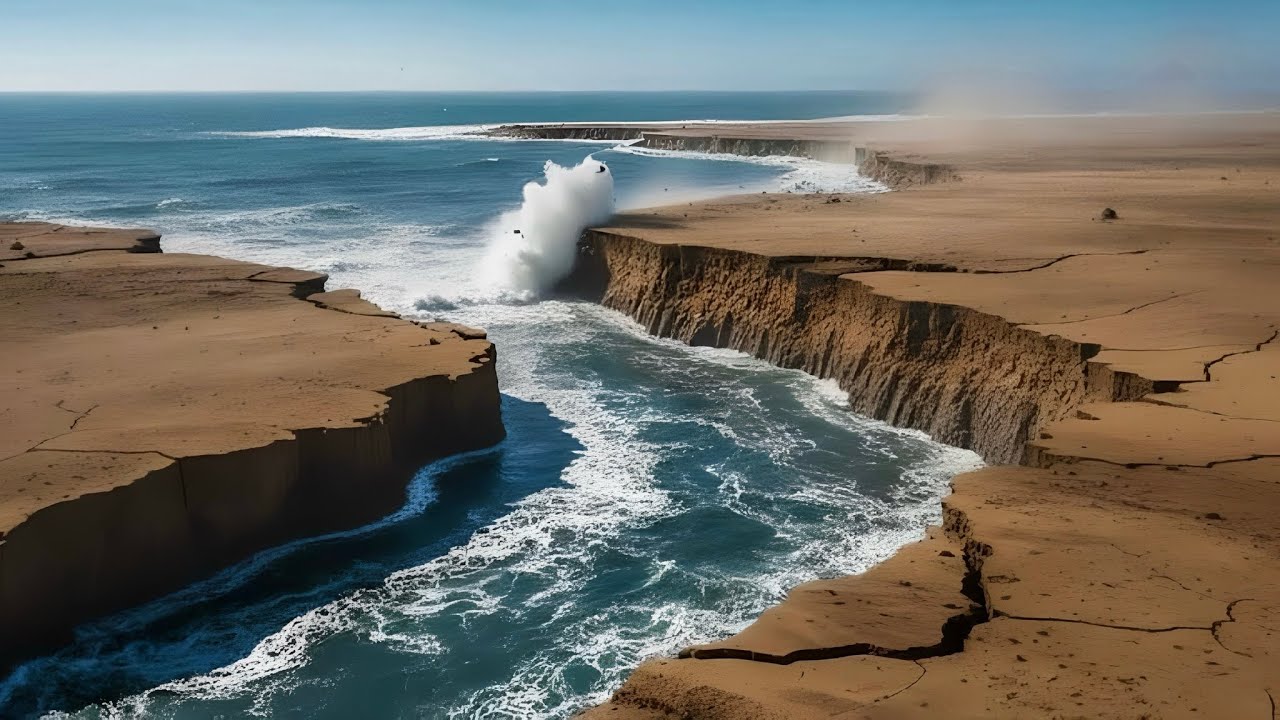
Niagara Falls Part II The Horseshoe Falls in Canada
Автор: Botancialworldandwanderpark
Загружено: 2026-02-09
Просмотров: 28
Описание:
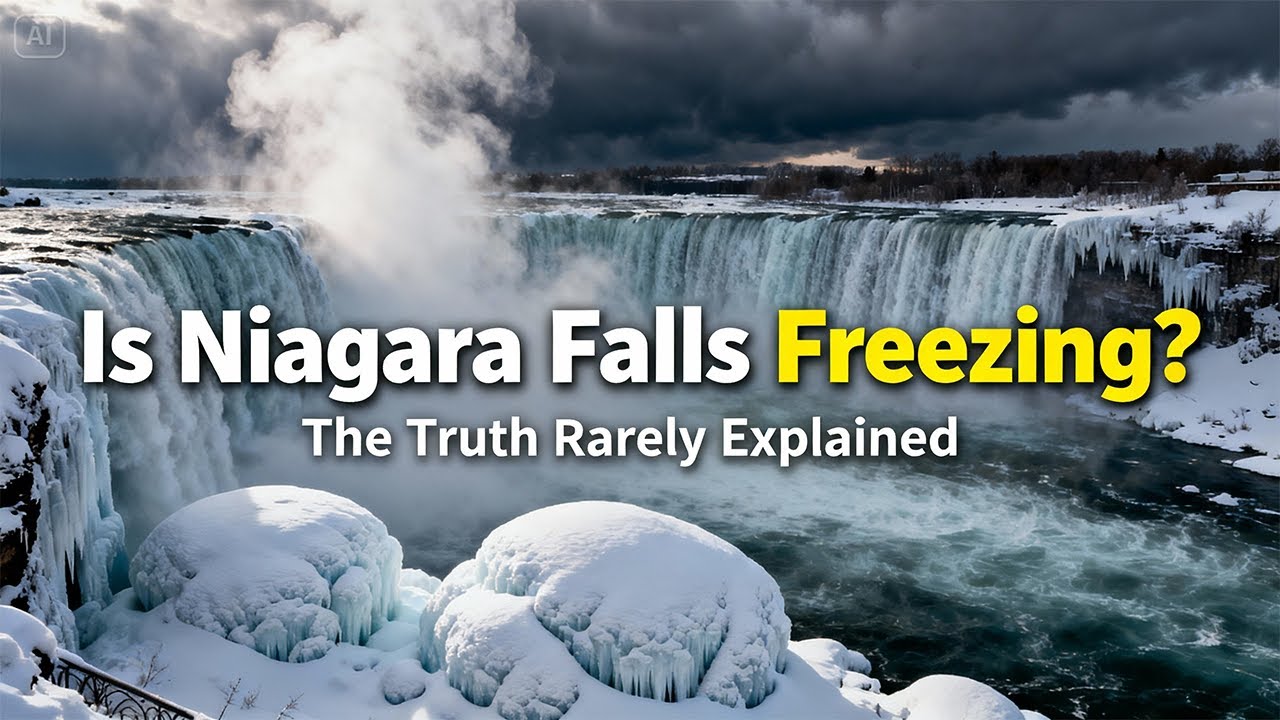
The Horseshoe Falls, also known as the Canadian Falls, is the largest and most iconic of the three waterfalls that make up Niagara Falls. Here's a full look at what makes it so spectacular:
🌊 Key Facts
• Location: Straddles the border between Ontario, Canada and New York, USA, with most of it on the Canadian side.
• Height: Approximately 167 feet (51 meters).
• Width: Around 2,700 feet (820 meters) across the crest.
• Water Flow: Carries about 90% of the Niagara River’s flow, making it the most powerful waterfall in North America.
• Depth at Base: The river below plunges to about 184 feet (56 meters).
Horseshoe Falls (Canadian Side)
• Flow Rate: Approximately 681,750 gallons per second (≈ 2,580 cubic meters per second) during peak daytime hours.
• Force at Base: Water hits the base with about 2,509 tons of force.
• Share of Niagara River Flow: Carries about 90% of the total flow of the Niagara River.
Historical Highlights
• Erosion: Horseshoe Falls has retreated about 11 kilometers over the past 12,000 years due to erosion. In the early 20th century, it was eroding at nearly 1 meter per year, but water diversion for hydroelectric power has slowed this dramatically.
• Border Shift: The international boundary line cuts through part of the falls. Due to erosion and land reclamation (like the creation of Terrapin Point), a small portion of Horseshoe Falls is technically in the U.S..
⚡ Hydroelectric Power
• Horseshoe Falls is a major source of hydraulic energy, powering stations on both sides of the border.
• Water is diverted nightly to reduce erosion and generate electricity, which also affects the flow and direction of the nearby Whirlpool.
AI responses may include mistakes
Повторяем попытку...

Доступные форматы для скачивания:
Скачать видео
-
Информация по загрузке: