SpaceX | Starship Human Landing System - Test Flight
Автор: Evan Karen
Загружено: 2025-05-01
Просмотров: 18518
Описание:
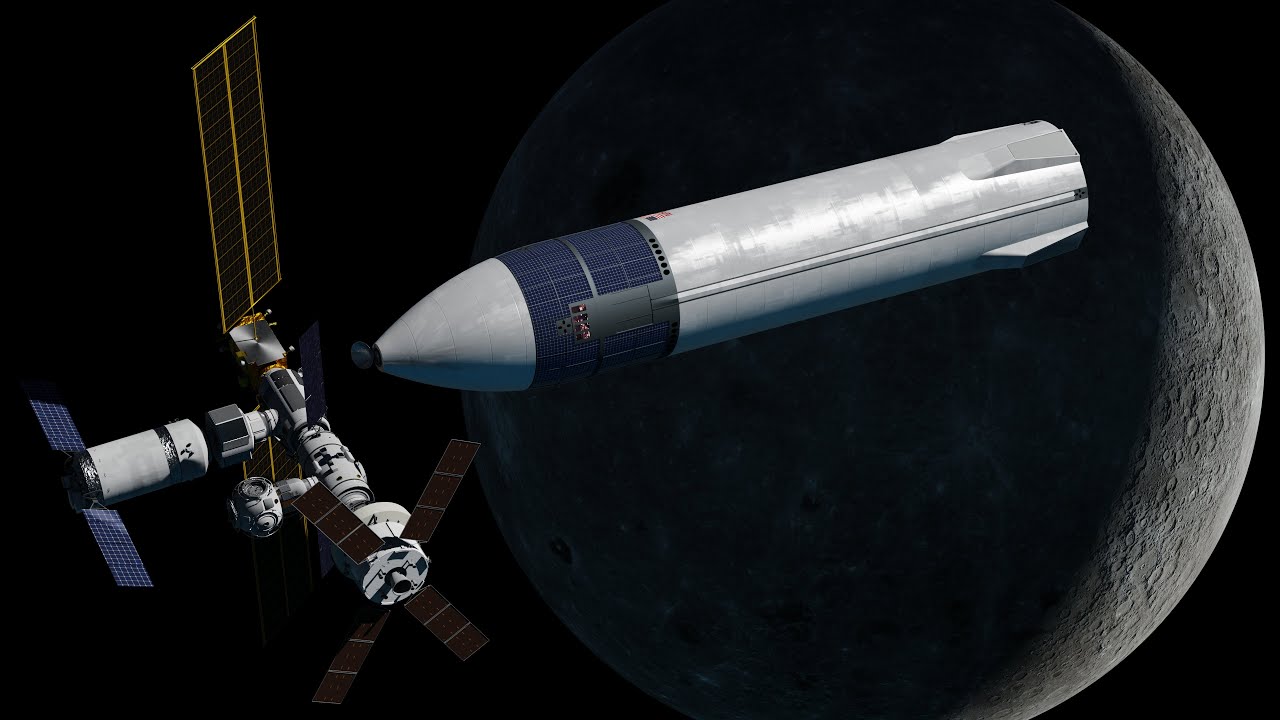
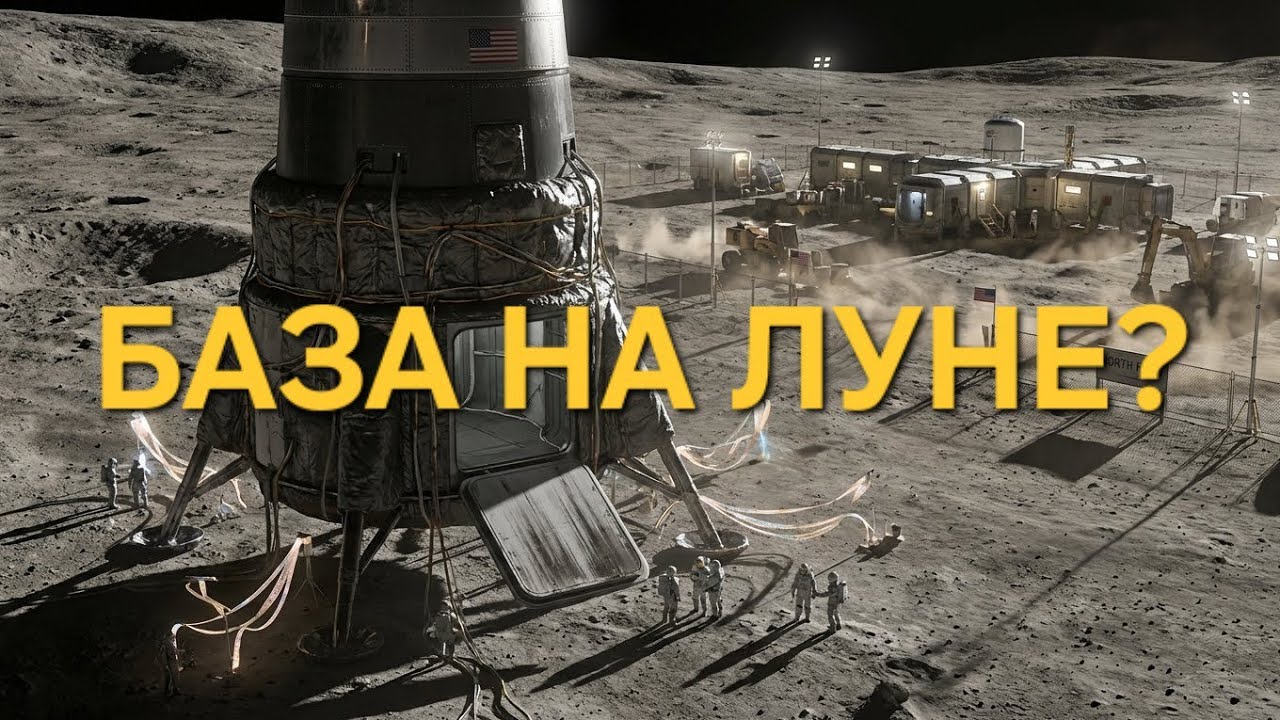
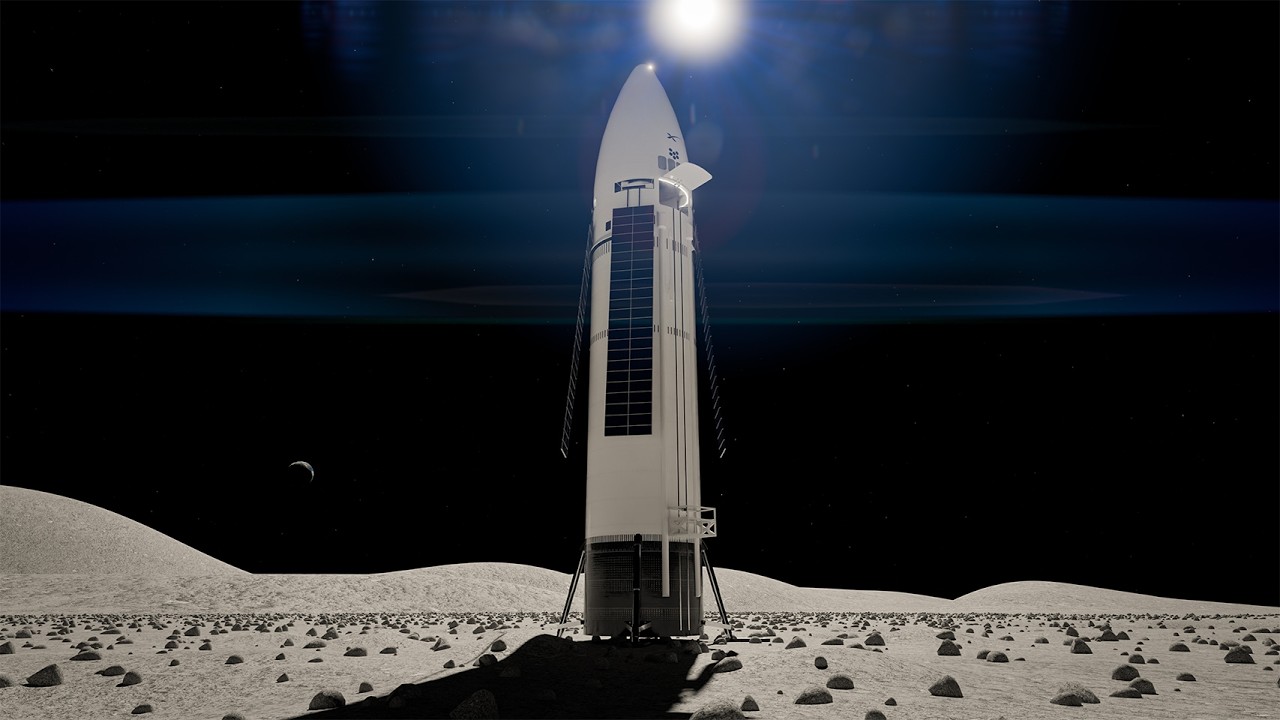
The SpaceX Human Landing System (HLS) was selected by NASA to land humans on the lunar surface as a part of the Artemis program. The SpaceX HLS system uses a modified Starship upper stage as the vessel. It will first be launched from Earth and refueled in low Earth orbit (Presumably by a tanker vehicle). It will then perform a trans-lunar injection burn, where it will coast until reaching the moon where it will perform a second burn to place it into a near rectilinear halo orbit in cislunar space. During an Artemis mission, the HLS vehicle will dock with the Lunar Gateway Station where crew will be transferred. The HLS will undock and begin its powered Lunar decent at perilune. During the decent the HLS will use two Raptor engines to cancel out most of the horizontal velocity. Once close enough to the surface, the HLS will ignite an additional set of lower thrust engines located higher up on the vehicle for the final stage of decent.
Some Artistic Choices I made:
To allow this animation to be relatively short, I decided to have this be a “Test Mission” Where the HLS vehicle does not dock with the Lunar Gateway or the Orion capsule. This “Test Mission” would involve the HLS descending directly to the Lunar surface, not necessarily at the Lunar South Pole.
Current artistic depictions of HLS have various types of solar panels, I chose to use showcase four extendable solar panels stowed inside compartments inside the unpressurized cargo hold of the HLS. I do understand that the most recent depictions show six solar panels, I found that when modeling them based on solar panel sizing, it made more sense to only have four.
I took full creative reigns when depicting the Lunar descent engines. I predict for maximum performance, ease of design, and safety there will be sets of low thrust vacuum optimized engines enclosed in a protective cover. This allows the flow to exit parallel to the area vector of the nozzle, minimizing flow separation issues and shocks while maximizing pressure thrust for vacuum. (Given I am not an expert, these are purely assumptions based on my current knowledge). Particularly attentive viewers may notice that the flow is exiting from a rectangular nozzle, this is a rendering error, I do not expect the nozzle to take this form.
Повторяем попытку...
Доступные форматы для скачивания:
Скачать видео
-
Информация по загрузке: