Hair Root Intact or Destroyed | Dr. Mukesh Aggarwal
Автор: VHCA Hair & Skin Clinic
Загружено: 2024-06-04
Просмотров: 3397
Описание:
Scarring Alopecia (Cicatricial Alopecia): Scarring alopecia, or cicatricial alopecia, is a group of rare disorders that destroy hair follicles, replace them with scar tissue, and cause permanent hair loss. This condition can affect individuals of all ages and both sexes.
Types and Causes:
Primary Scarring Alopecia: Directly targets hair follicles.
Lichen Planopilaris (LPP): An inflammatory condition affecting hair follicles.
Discoid Lupus Erythematosus (DLE):** A chronic skin condition that often affects the scalp.
Folliculitis Decalvans: A chronic form of alopecia caused by inflammation of the hair follicle.
Central Centrifugal Cicatricial Alopecia (CCCA):** Common among African-American women; the exact cause is unclear but may involve genetic and mechanical factors (e.g., hair styling).
Secondary Scarring Alopecia: Hair follicles are destroyed due to external factors such as burns, infections, or tumors.
Symptoms:
Hair loss in patches, which may be accompanied by redness, scaling, pustules, and pain or itching in the affected areas.
The scalp may appear smooth and shiny in the scarred areas.
Diagnosis:
Clinical examination.
Scalp biopsy to examine the affected tissue microscopically.
Non-Scarring Alopecia: Non-scarring alopecia is characterized by hair loss without permanent damage to the hair follicles. The follicles remain intact, allowing the potential for hair regrowth.
Types and Causes:
Androgenetic Alopecia: Genetic predisposition and hormonal changes lead to progressive thinning of hair (male-pattern and female-pattern baldness).
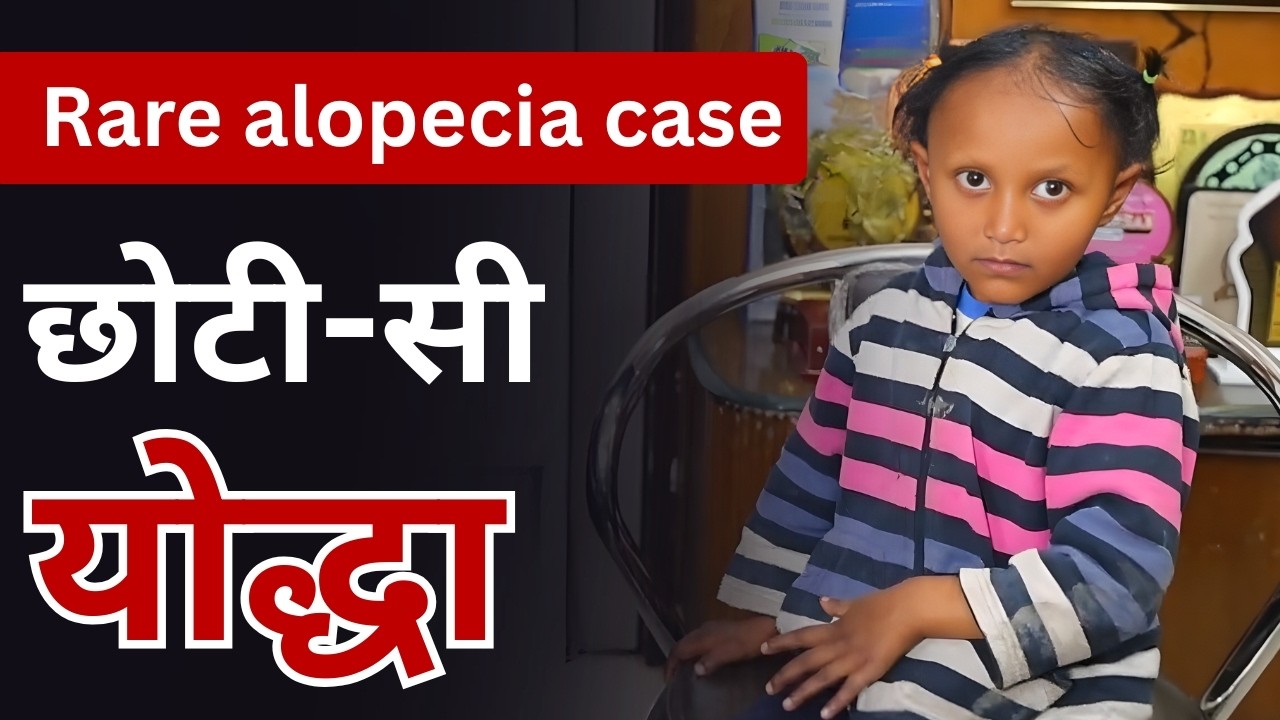
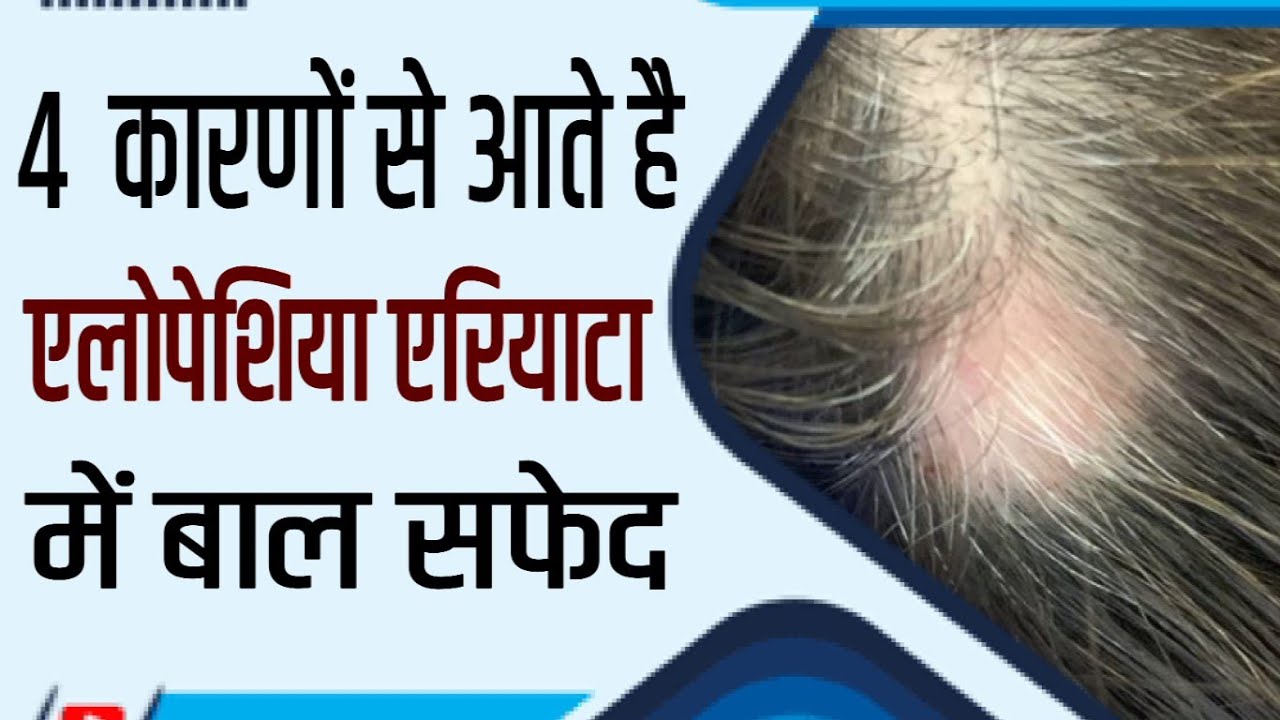
Alopecia Areata: An autoimmune disorder causing patchy hair loss.
Telogen Effluvium: Temporary hair shedding due to stress, illness, or hormonal changes.
Anagen Effluvium: Rapid hair loss due to chemotherapy or radiation.
Traction Alopecia: Hair loss caused by continuous tension or pulling on the hair (e.g., tight hairstyles).
Symptoms:
Diffuse thinning or hair loss in patches, often without signs of inflammation or scarring on the scalp.
Hair loss may be gradual or sudden, depending on the underlying cause.
Diagnosis:
Clinical examination and patient history.
Blood tests to rule out underlying medical conditions.
Scalp biopsy may be used in uncertain cases.
Management and Prevention:
Early diagnosis and intervention to prevent further hair loss.
Regular follow-ups with a dermatologist or trichologist.
Proper hair and scalp care, including avoiding harsh treatments and minimizing stress.
In summary, scarring alopecia involves irreversible destruction of hair follicles with scarring, while non-scarring alopecia involves temporary or reversible hair loss without permanent damage to the hair follicles. Both conditions require appropriate diagnosis and treatment to manage symptoms and promote hair health. To Treat any Hair Related Problem with the help of Ayurvedic Medicines get in touch with Dr. Mukesh Aggarwal M.D. of Worlds First Ayurvedic Hair Clinic VHCA.
For More details or to book an Online Video Consultation with Dr. Mukesh Aggarwal ( MD - VHCA Hair Clinic) call@ 8683800804
For VHCA Hair Clinic Products call@ 8683800801
For The World's First Ayurvedic Hair Clinic VHCA Franchise in your city call@ 8683800803
For more information about Alopecia Areata watch • Why Grey Hair in Alopecia Areata ? | Dr Mu...
You can also Subscribe to Dr. Mukesh Aggarwal's YouTube channel: / @drmukeshaggarwal
#alopecia #alopeciatreatment #alopeciaareata #alopeciauniversalis #alopeciahairloss #patchyhairloss #patches #haircare #vhcahairclinic #drmukeshaggarwal #baldness #baldnesssolution #baldnesstreatment #baldnesscure #hairroots
Повторяем попытку...

Доступные форматы для скачивания:
Скачать видео
-
Информация по загрузке: