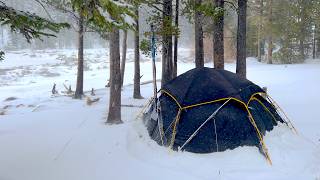
How Lakota Wind Logic Outperformed Settlers’ Tents on the 1830s Plains
Автор: Frontier Tales of America
Загружено: 2025-12-04
Просмотров: 0
Описание:
How Lakota and Cheyenne tipi engineering shed 70–90 mph Plains winds during the 1830s winter storms.
________________________________________
2. Full Description (150–200 words)
1830s Plains Wind Engineering — How Lakota and Cheyenne Tipis Withstood the Harshest Winter Storms
On the 19th-century Great Plains, winter survival depended on understanding the wind. While many settler tents failed under sudden blizzards and powerful downdrafts, Lakota and Cheyenne families relied on a shelter refined through generations of observation: the buffalo-hide tipi. Its conical form shed gusts across its surface, flexible lodgepole framing absorbed wind pressure, and earth-anchored skirts stabilized the base during rapid temperature shifts.
This episode examines the engineering principles, airflow physics, and structural logic that allowed tipis to remain stable in 70–90 mph winter storms. From adjustable smoke flaps that managed ventilation to tripod geometry that distributed force evenly, every part of the design reflected a deep understanding of Plains weather.
Many of these principles appear today in polar tents, mountain shelters, and modern wind-resistant structures—a reminder of how advanced Indigenous engineering has always been.
If you’re interested in 19th-century shelter design, Plains engineering, historical architecture, or frontier environmental adaptation, this episode explores one of the most effective cold-weather structures ever created.
Повторяем попытку...

Доступные форматы для скачивания:
Скачать видео
-
Информация по загрузке: