Roxy Music - Avalon (BLOCCOVERTO bass & guitar cover)
Автор: BLOCCOVERTO
Загружено: 2026-02-22
Просмотров: 235
Описание:
== Avalon (Roxy Music) ==
[Scroll down for English]
Utwór “Avalon” powstał w 1981 roku podczas sesji nagraniowej do albumu o tym samym tytule. Był to ostatni studyjny album zespołu i zarazem symboliczny finał jego działalności w klasycznym składzie.
Album nagrywano głównie na Bahamach. Wybór tego miejsca nie był przypadkowy - atmosfera studia (nocne sesje, tropikalny klimat, swobodna praca) miała ogromny wpływ na eteryczny charakter utworu.
Tytuł nawiązuje do mitycznej wyspy Avalon z legend arturiańskich — miejsca wiecznego spokoju i odrodzenia króla Artura.
W końcówce utworu słychać kobiecy głos należący do Yanick Étienne, haitańskiej wokalistki, która pracowała wtedy jako asystentka w studiu. Jej udział w nagraniach był przypadkowy — Brian Ferry usłyszał ją śpiewającą i zaprosił do nagrania partii wokalnej.
Gitarowe partie w charakterystycznej solówce nagrał Phil Manzanera. Phil gra wyjątkowo oszczędnie. I to jest szutką - zagrać solówkę złożoną z kilku prostych dźwięków tak, żeby zmiażdżyła słuchacza. 😍
Partia basu grana przez Alana Spennera stała się jednym z wczesnych przykładów stylu, który później rozwinął się w popie lat 80 — można usłyszeć podobną estetykę w nagraniach takich zespołów jak Sade czy The Blue Nile. Nie mam pewności, czy w oryginale grana była na basie bezprogowym. Ale taka wersja mi pasowała.
====================================
The song "Avalon" was written in 1981 during the recording sessions for the album of the same name. It was the band's final studio album and a symbolic finale to their career with the classic lineup.
The album was recorded primarily in the Bahamas. The choice of location was no accident – the studio atmosphere (night sessions, tropical climate, relaxed working) had a profound impact on the song's ethereal character.
The title refers to the mythical island of Avalon from Arthurian legend – a place of eternal peace and King Arthur's rebirth.
At the end of the song, you can hear the female voice of Yanick Étienne, a Haitian vocalist who was working as a studio assistant at the time. Her participation in the recordings was accidental – Brian Ferry heard her singing and invited her to record the vocals.
The guitar parts in the characteristic solo were recorded by Phil Manzanera. Phil plays exceptionally sparsely. And that's a trick – playing a solo composed of a few simple notes so that it overwhelms the listener. 😍
Alan Spenner's bass line became an early example of a style that would later develop in '80s pop—you can hear a similar aesthetic in recordings by bands like Sade and The Blue Nile. I'm not sure if it was originally played on a fretless bass. But that version suited me.
Повторяем попытку...
Доступные форматы для скачивания:
Скачать видео
-
Информация по загрузке:





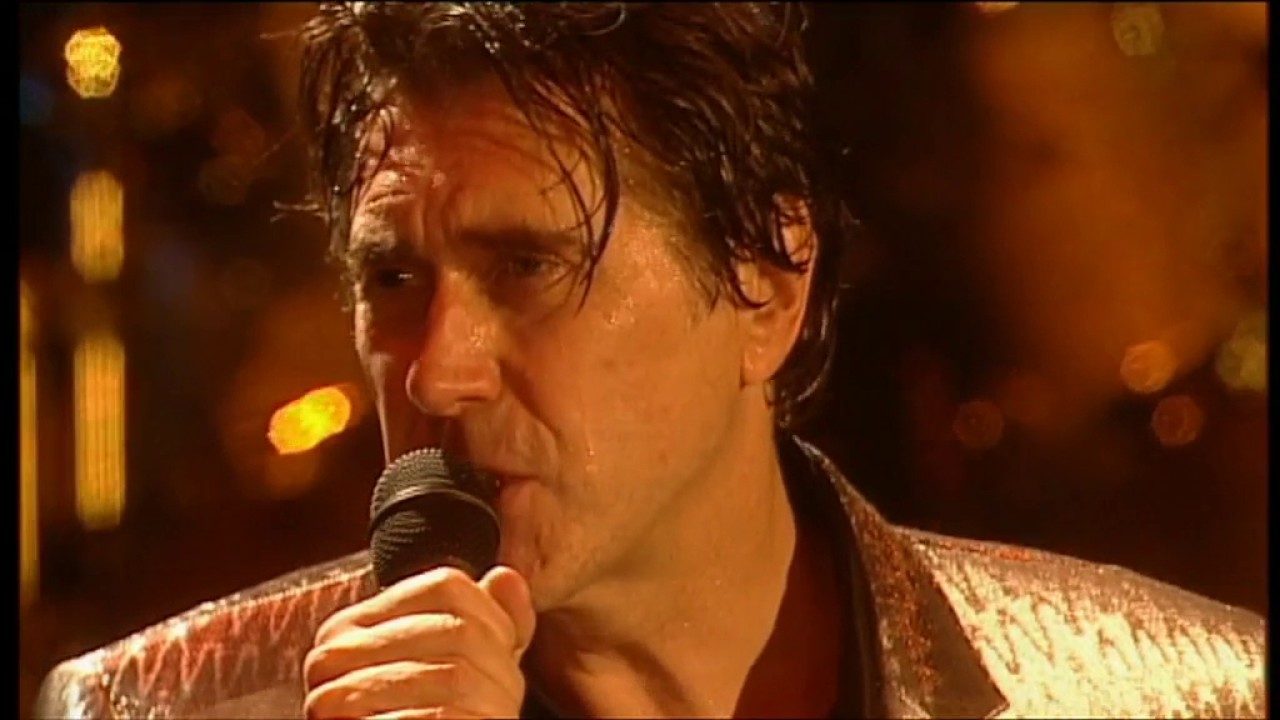
![[HD] Roxy Music - Avalon (Live 1982)](https://imager.clipsaver.ru/sPt8EvpZWF8/max.jpg)




![Roxy Music - More Than This (Lost in Translation) [HD]](https://imager.clipsaver.ru/bjvVNyBTSP8/max.jpg)