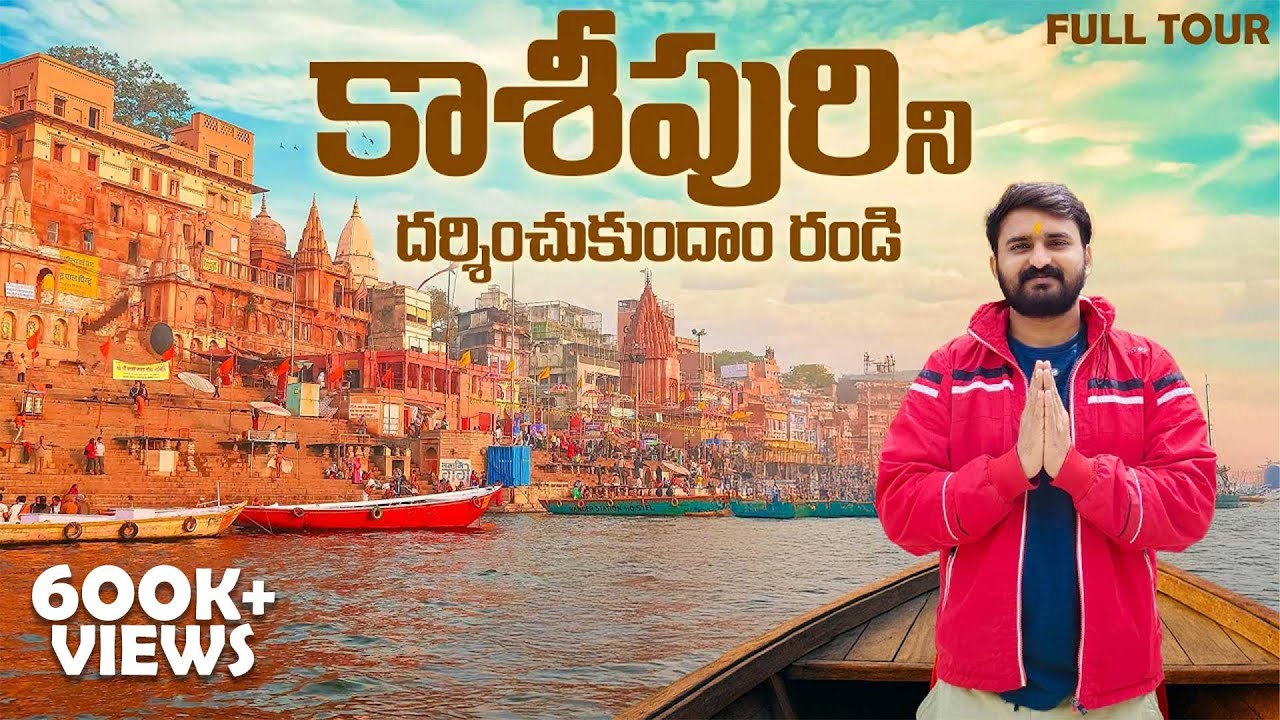
Manikarnika Burning Ghat Varanasi - Cremation Ghat Kashi (Banaras)
Автор: Traveler Andy
Загружено: 2015-09-20
Просмотров: 181826
Описание:
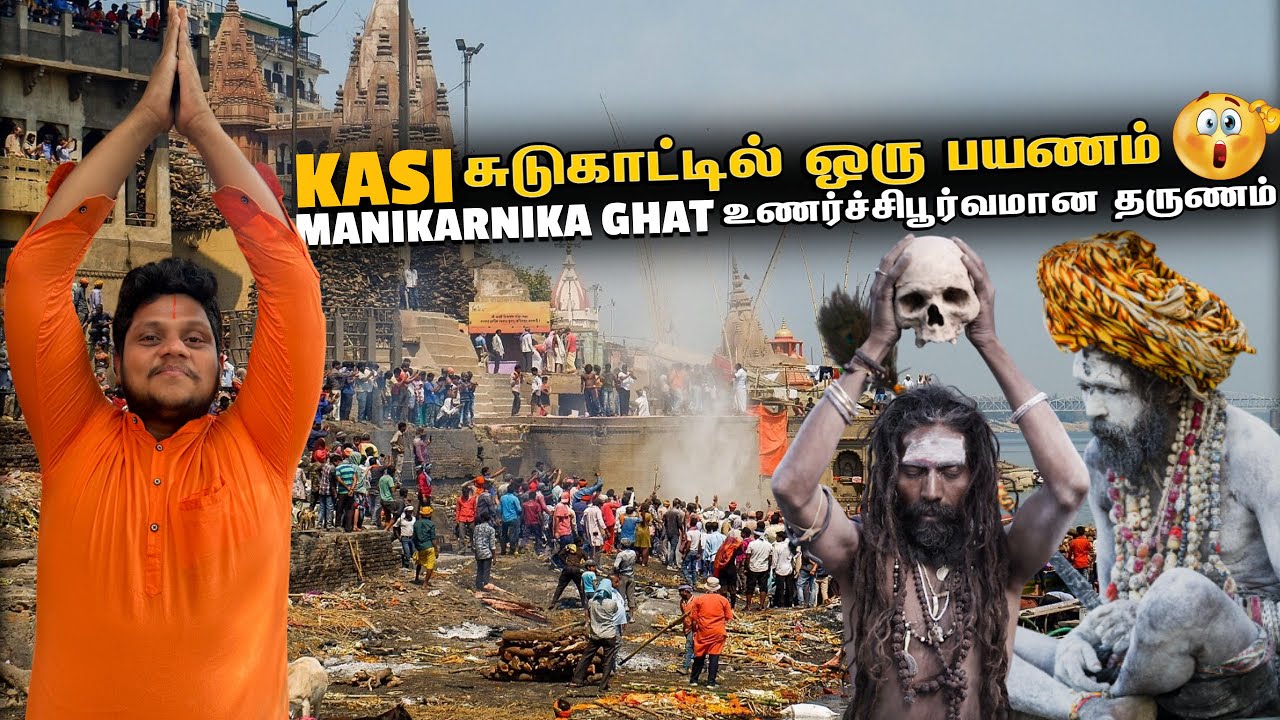
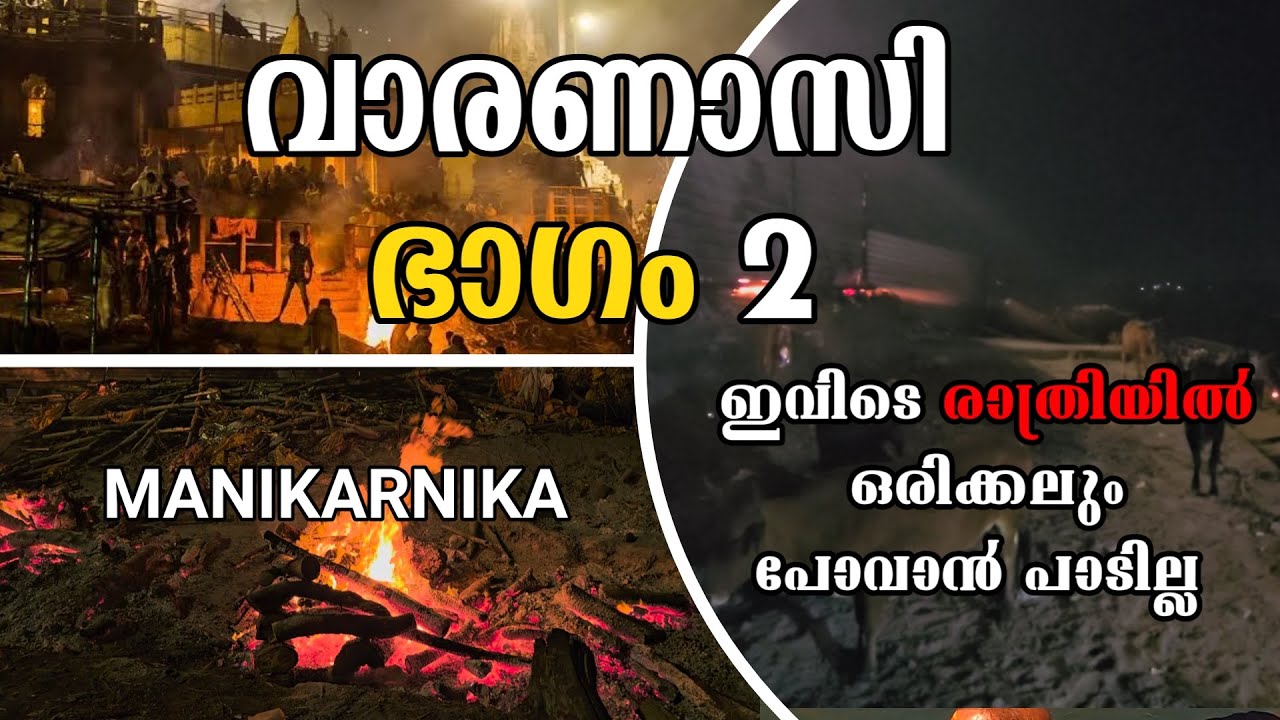
Manikarnika Ghat (Hindi: मणिकर्णिका घाट) is one of the ghats in Varanasi and is most known for being a place of creation. Manikarnika Ghat is the primary cremation ghat in Varanasi (Kashi / Banaras / Benaras). Varanasi Hindu Cremation Ceremony at Manikarnika Burning Ghat beside Ganga River. Hindu DEAD BODIES get BURNT at Manikarnika Ghat of Benaras. Holiest burning ghat in India is Manikarnika Ghat of Varanasi. Dead Body burning process never end (stop) for a second at Manikarnika Ghat of Varanasi. One after one and most of the time several dead bodies used to be burned at the same time.
Kashi / Varanasi Manikarnika Ghat is one of the oldest ghats in Varanasi. It is revered in Hindu religion. When Mata Sati (Aadi shakti mata) sacrificed her life & set her body ablaze after Raja Daksh Prajapati (one of the sons of Lord Brahma) tried to humiliate Lord shiva in a Yagya practiced by Daksh. Lord Shiva took her burning body to the Himalaya. While going to the Himalaya Mata Sati's parts of body started falling on earth. Lord Shiva established Shakti Peeth wherever Sati's body had fallen. At Manikarnika ghat, Mata Sati's Ear's ornament had fallen.
Manikarnika shrine as a Shakti Peeth - Manikarnika shrine is an important place of worship for Shaktism sect of Hinduism, It is near to the Kashi Vishwanath Temple. The mythology of Daksha yaga and Sati's self immolation is the mythology behind the origin of Shakti Peethas. The etymology of the place is due to this mythology. It is believed that Sati Devi's Ear Rings has fallen here. Manikarna in Sanskrit means Ear Rings. Shakti Peethas are shrines that are believed to be enshrined with the presence of Shakti due to the falling of body parts of the corpse of Sati Devi, when Lord Shiva carried it and wandered. There are 51 Shakti Peeth linking to the 51 alphabets in Sanskrit. Each temple have shrines for Shakti. The Shakti of Manikarnika is addressed as Vishalakshi & Manasacaarinee.
Manikarnika (Mani: Beads Karnam: Ear Angad: Ornament). There is another myth about the ghat : the ear jewel from lord Shiva fell down while he was dancing angrily, which fell on the earth and thus Manasacaarinyekaa Ghat formed. Manikarnika Kund - The well at the ghat is called Manikarnika Kund and was built by Lord Vishnu.
Manikarnika Ghat is the main cremation Ghat of Varanasi. Manikarnika Ghat is one of the oldest and most sacred Ghats in Benaras. According to the Hindu mythology, being burned here provides an instant gateway to liberation from the cycle of births and rebirths. Lying at the center of the five tirthas, Manikarnika Ghat symbolizes both creation and destruction. At Manikarnika Ghat, the mortal remains are consigned to flames with the prayers that the souls rest in eternal peace. There is a sacred well at the Manikarnika Ghat, called the Manikarnika Kund. Manikarnika Kund is said to be dug by Lord Vishnu at the time of creation while the hot ashes of the burnt bodies makes one remember the inevitable destruction of everything in the world.
According to the another ancient mythology is the owner of the Manikarnika Ghat was bought the King Harishchandra as a slave and said him to work on the Manikarnika at the Harishchandra Ghat. Dead bodies of the people in Hindu religion are cremated usually at this ghat.
It is one of the most famous, sacred and oldest ghat in the Varanasi, Manikarnika is the main burning ghat and one of most auspicious places that a Hindu can be cremated. Bodies are bring to the ghat at the bamboo stretcher covered in the red cloth which handled by the doms.
Significance of Manikarnika Ghat - Manikarnika Ghat is also famous by the name of Mahasmasana which is one of two cremation Ghats in the Varanasi. Another famous ghat of cremation is Harishchandra Ghat. Manikarnika Ghat is historically associated with the Hindu God named Lord Vishnu and Lord Shiva. It is considered that the one who is cremated at this ghat will attain Moksha, the salvation and get directly intermingled into the Lord Shiva.
Manikarnika Ghat is also famous for the temple of the Lord Shiva and Mata Durga which was built around 1850 by the Maharaja of the Awadh. This temple has become the holy shrine of this Ghat.
It is also considered that the Charanapaduka (the footprints) of the Lord Vishnu is here in a circular marble slab, as Lord Vishnu has mediated for many years at this ghat. Varanasi and the Manikarnika Ghat History. fires on the Manikarnika Ghat, the chief cremation center of Varanasi (the smaller cremation ghat is called Harish Chandra Ghat). funeral ghats watching Manikarnika is popularly considered the holiest of all the ghats. Another famous Burning ghat of Varanasi (Kashi) is Raja Harishchandra (Harish Chandra Ghat) beside holy River Ganga.
Повторяем попытку...

Доступные форматы для скачивания:
Скачать видео
-
Информация по загрузке:







![Varanasi Vlog 2026 | Kashi Vishwanath | Sandhya Aarti | Banaras Street Food | Part-1 [4K] 🇮🇳](https://imager.clipsaver.ru/dQ9I-0Oohbk/max.jpg)