HIGH MOUNTAIN ARCHAEOLOGY: THE NEPAL TEMPLE PROJECT – ARCHAEOLOGY OF A HINDU TEMPLE
Автор: European Association of Archaeologists
Загружено: 2021-03-26
Просмотров: 265
Описание:
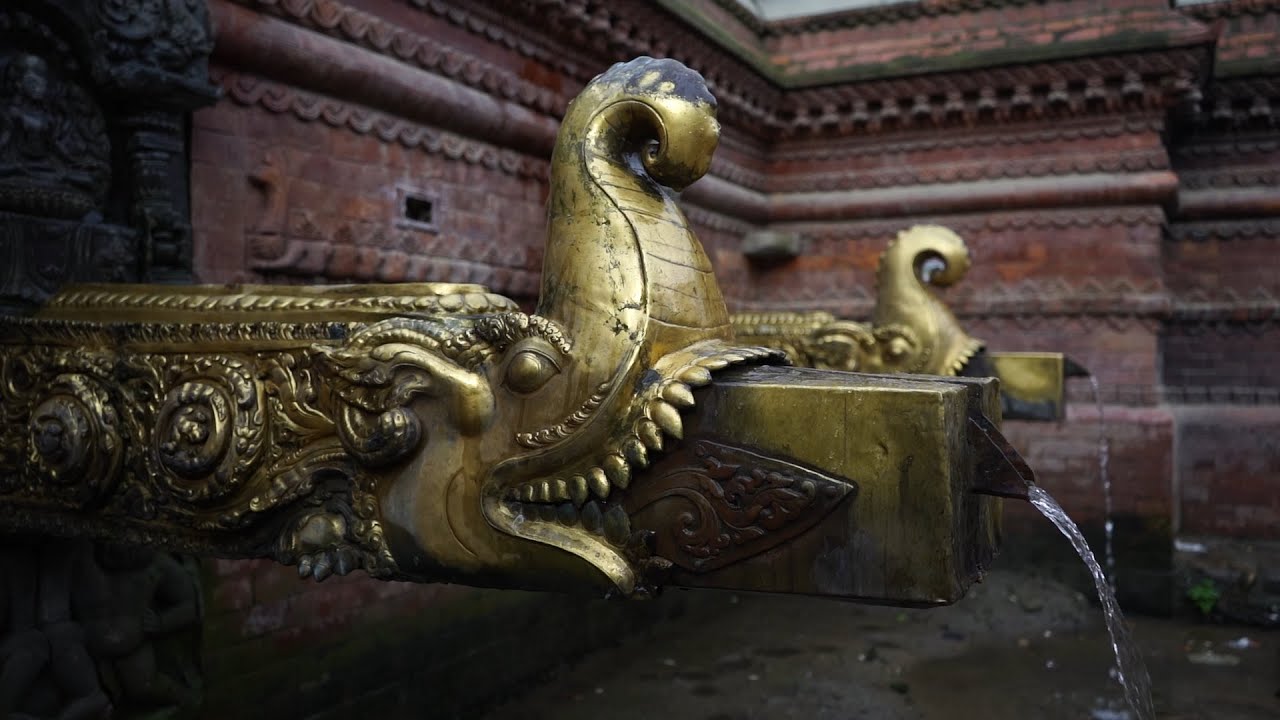
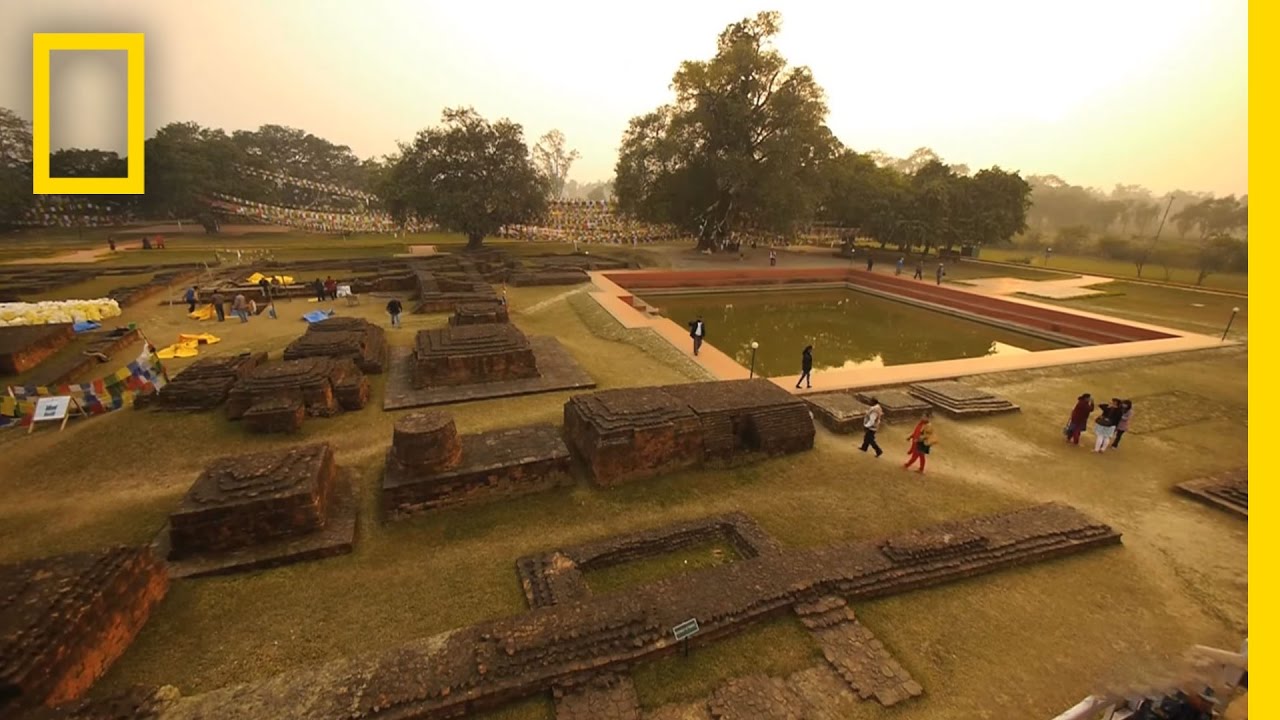
The Nepal Temple Project is an international and interdisciplinary campaign which combines, cultural historical research, archae-ology and restoration in Nepal. Our central area of activity is the Anantaliṅgeśvara Mahādeva Temple in Nepal. The Temple is located about 20 km southwest of Bhaktapur in the valley of Kathmandu (UTM 45, WGS 84: R 343140/E 3058601). The site is placed on an artificially constructed plateau close the south-eastern slope of a hill at an altitude of 1450 m, below the peak of the mountain and close to the historical connecting route of the old royal cities Kathmandu and Bhaktapur.The ensemble, founded between the 5th to the 7th century CE, is one of the earliest cult sites of Lord Śiva in Nepal. In this 3200 sqm large area 17 buildings of different periods and functions are assembled. The Anantaliṅgeśvara Mahādeva Temple is an integral part of a sacral landscape, consisting of 64 śivaliṅga, which encircle the nepali national shrine, the Paśupatināt Temple in Deopatan, in three concentric rings.Genesis, continuity and changes of the temple complex through time are the research questions of the project. In this case we want to point out an exceptional special feature of the Hindu iconography and architecture - the concept of the sacred landscape and there relationship between cult, culture and the peoples living in this high mountain area.
Author(s): Lange, Perry (Institut fuer Ur- und Fruehgeschichte Kiel)
Повторяем попытку...

Доступные форматы для скачивания:
Скачать видео
-
Информация по загрузке: