1581) New York - A City Shaped by Steam
Автор: Daniel Navarro
Загружено: 2019-10-23
Просмотров: 108
Описание:
6) Fill in the blanks based on what you listen:
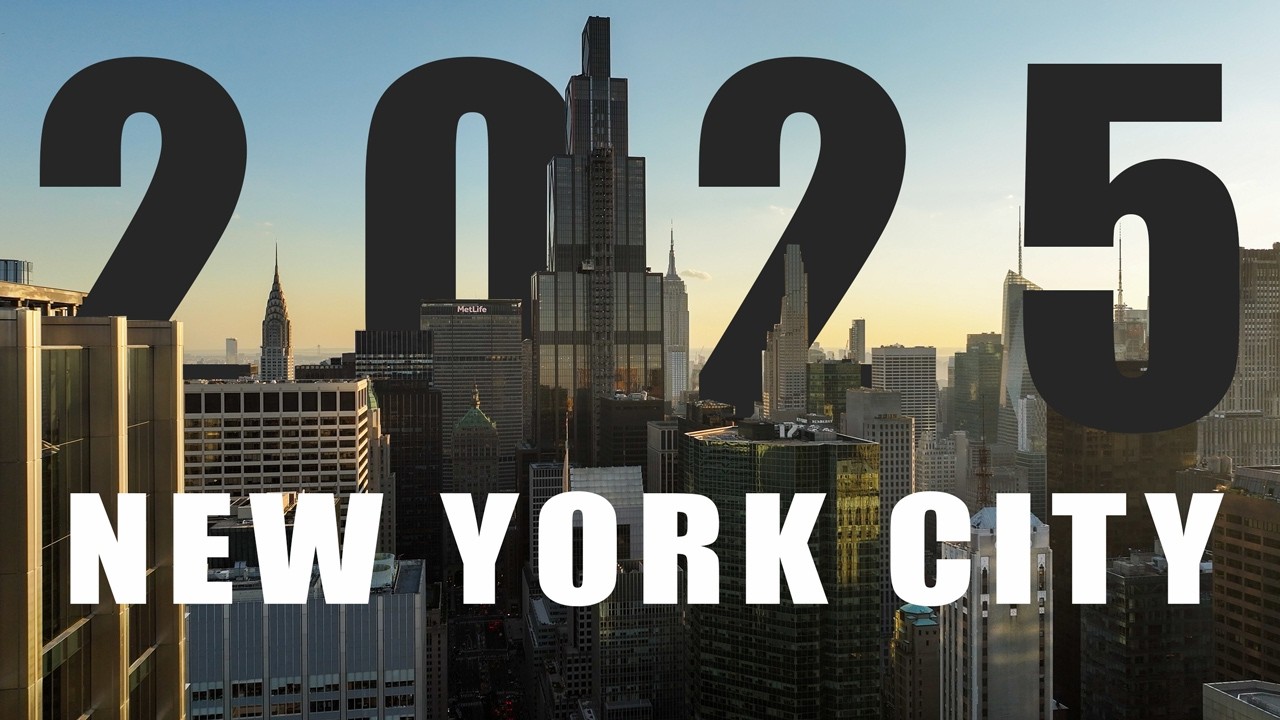
Currently out of the 105 miles of steam piping, there's almost 2,000 buildings that utilize steam. The largest 300 buildings are all over half a million square feet. Had it not been for the steam system, the postcard ____________ that you see of Manhattan would be totally different. You'll be looking at every one of these ______-______ with some type of chimney coming out of it.
When you go to a restaurant, the dishwasher that cleans the dishes; it's powered by New York City steam. When you go to a hospital; the air is humidified with district steam. Steam ______ us to very closely moderate the relative humidity in the gallery; both for the long-term preservation of our own collection and for the preservation of works that are entrusted to us on loan.
One of the _____________ about New York steam system is that, it's the largest in the world. If you took the next nine steam systems and added them together, New York steam system still the largest. We have a pretty active complex here. We produce steam and electric, to I say 55 percent of all steam in Manhattan and it's all for that technology have these big ____________ heat up the steam and then, that steam, gets distributed outside of the plant with these big, big pipes and then it traverses out of the plant and down ______________ the streets of Manhattan.
All right. So here we'll give a quick tour with the steam lines do. Turn here now. It's about 90 degrees, it's about 90 percent humidity this is a typical steam room. We got steam flowing over here, it's messy business. This is where Con Ed comes in. Comes in over here, it comes across all these meters. These are Con Ed steam meters. So all the steam for the entire facility gets brought into this header and ________ ________ to all the different places.
That steam has a lot of energy. It goes in infrastructure and it rises up through the building and then gets distributed to individual rooms _______________ the building; for heating for cooling air conditioning. So instead of driving a motor on an air conditioner with electricity you could use steam. So steam actually ________________ a lot of the electric demands in the summer by providing cooling power to these buildings.
New York City's first steam system was built by Wallace Andrews in 1881. The plant opened up and within four years, they had over 350 customers in place in Lower Manhattan, which was incredibly successful. But then, after the blizzard of 1888, which essentially destroyed all the above-ground wiring, they finally agreed to an underground system. As they laid the electricity cables, they laid the steam pipe down and they essentially built New York City around electricity and steam coming into all the large commercial and residential buildings. Starting in Lower Manhattan and then as Midtown was built in the early part of the 20th century, they built steam and electricity coming into the __________________ of each of the buildings.
The New York City steam system by the 1920s and 30s ____ 2,500 locations and reached over a hundred thousand commercial and residential buildings. For sustainability and environmentally reasons and also resiliency reasons, having on-site smaller cogeneration plants around the city makes us a _______ city, it makes us a more resilient city. We're using engineering to make a more comfortable life for people in our all society. If we pretend that we're in some bizarre parallel universe and the New York City steam system was never built, it would be a very different city than it is right now.
Повторяем попытку...

Доступные форматы для скачивания:
Скачать видео
-
Информация по загрузке: