Blended Security Approach: Integrating Human Guards and Autonomous Drones
Автор: FlytBase
Загружено: 2026-01-23
Просмотров: 80
Описание:
This podcast details the journey of Ryan, founder of Titan Protection, a security company that has evolved to integrate human guards with advanced AI and drone technology for a blended security approach.
Here are the key takeaways:
Evolution of Security (1:45-3:41): Ryan shares his journey from a security officer to founding Titan Protection. He emphasizes the shift from solely relying on human guards to integrating technology like video analytics and, more recently, drones. His background in aviation, with a grandfather who worked for the FAA, naturally led him to explore drones for security.
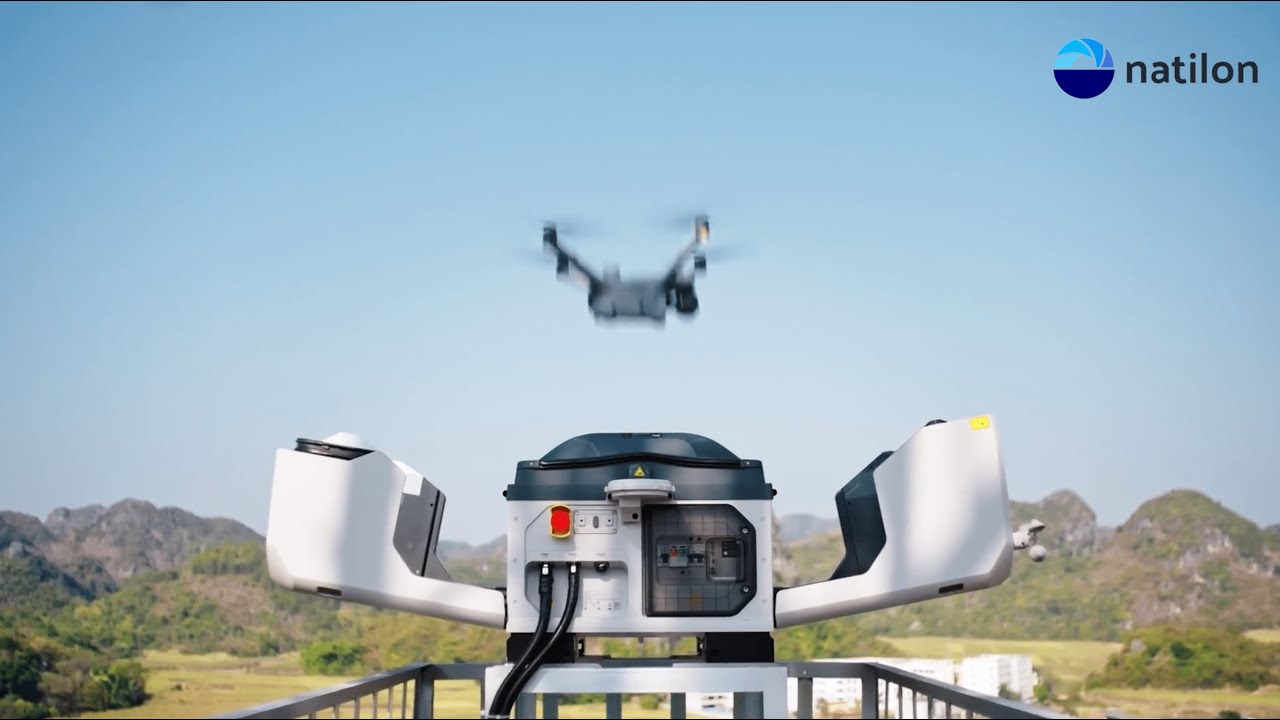
Challenges and Progress of Drone Integration (4:27-6:20): Ryan discusses the early challenges of integrating drones, particularly the need for beyond visual line of sight (BVLOS) operation and docking stations for remote deployment and charging. Titan Protection became the first security company to receive a nationwide BVLOS waiver, enabling remote drone operations from their Kansas City monitoring center.
The Blended Security Model (6:23-8:16): The core of the discussion revolves around the “blended security” concept, which combines physical guards, AI, and drones. Ryan highlights that it’s not an “either/or” situation but rather finding the right mix of technology and human intervention for each customer and situation.
First Deployment Learnings (8:21-12:04): The first drone deployment was at a car dealership experiencing theft issues. By integrating thermal radar and a drone, they were able to reduce costs by cutting a second security officer while increasing coverage. The drone acts as a deterrent with its presence and audio talk-down capability, while a human officer provides the “last mile” response.
Automated Response and Patrol (ARP) (13:04-17:02): The drone performs two main functions: automated response to triggered events (e.g., thermal radar detection) and proactive patrolling. AI and machine learning are increasingly used in patrolling to identify anomalies and alert operators, even when human eyes might miss something.
Workflow Reimagining and ROI (23:41-30:25): The success of blended security lies in rethinking the workflow. Technology handles data processing and routine tasks, freeing human guards for critical thinking, judgment, and direct intervention. Drones offer significant ROI by reducing the need for multiple on-site officers, providing more frequent patrols, and saving costs on insurance due to reduced incidents.
Remote and Industrial Applications (30:27-33:28): Drones are particularly effective in remote and wide-open spaces like oil fields or construction sites, where traditional infrastructure might be lacking. Mobile surveillance units with solar panels and Starlink/cellular routers provide power and internet. Drones can also be used for additional tasks like inspections and site mapping, allowing for multiple budget allocations.
Training and Standards for Remote Operations (33:33-39:50): A significant challenge is the lack of established training protocols and industry standards for remote drone pilots. Ryan emphasizes the need for a “security drone working group” to collaborate on lessons learned and build playbooks. He also stresses the importance of disaster recovery plans for remote operations centers, such as preparing for power or internet outages while drones are in the air.
Повторяем попытку...

Доступные форматы для скачивания:
Скачать видео
-
Информация по загрузке: