The Importance of Alibates Chert Acquisition, Production & Exchange during the Middle Ceramic Period
Автор: Texas Historical Commission
Загружено: 2020-12-19
Просмотров: 4517
Описание:
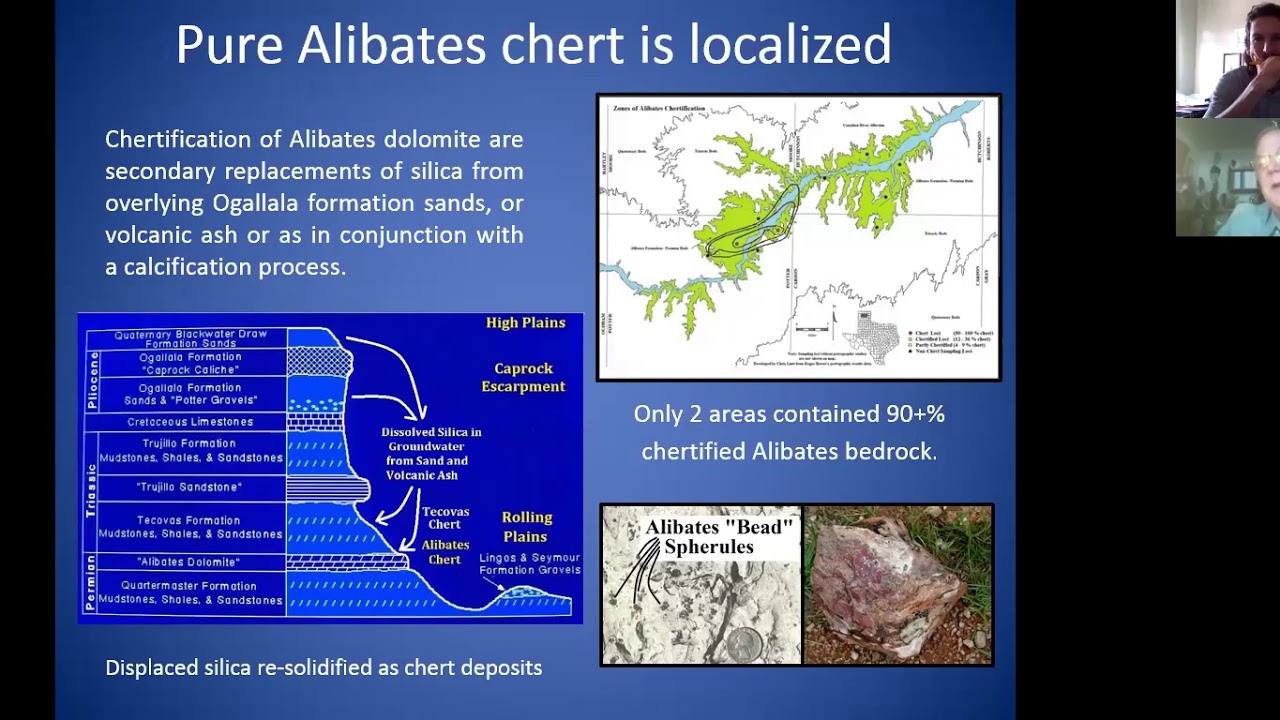
This talk explores the origin of Alibates flint and its prehistoric exploitation, use, and exchange by Middle Ceramic period people in and adjacent to the Texas Panhandle between A.D. 1200 and 1500. The presence of 729 hand-dug quarry pits at the Alibates National Monument signals the presence of resident logistical population to support for the quarrymen, and the Middle Ceramic period Antelope Creek people is the only culture with the settled communities in the region. Alibates flint products at large sites next to the quarries and in distant flint caches documents the kinds of artifacts exchanged and preferred directions of exchange. Most Alibates flint was traded to other Plains groups in southern Kansas and not the Southwestern Puebloans.
Due to regional differences in house sizes and diversity of ceramics present across the region, it is hypothesized that exchanges between people in southern Kansas occurred at trade fairs/rendezvous/Calumet ceremony sites in the eastern Texas Panhandle. The formation of trading partners established during this period also underlies the movement and integration of many Antelope Creek people as a “Grapes of Wrath movement” with their Kansas trade partners following the intense drought of AD 1450 to 1500.
Learn more about this topic at:
Texas Beyond History: Alibates Flint Quarries and Ruins (texasbeyondhistory.net/alibates)
This video is part of the Texas Historical Commission's Texas Archeology Month 2020 Virtual Symposium. View other presentations in the series on playlists organized by region on our YouTube channel.
Повторяем попытку...
Доступные форматы для скачивания:
Скачать видео
-
Информация по загрузке:









![[LEWY PROSTY] Dlaczego USA naprawdę zaatakowały Iran? (I kto za to zapłaci?)](https://imager.clipsaver.ru/TxvJGSnP82U/max.jpg)