Vanishing Voices inspire BYU tintype photography project
Автор: Brigham Young University
Загружено: 2019-10-30
Просмотров: 5334
Описание:
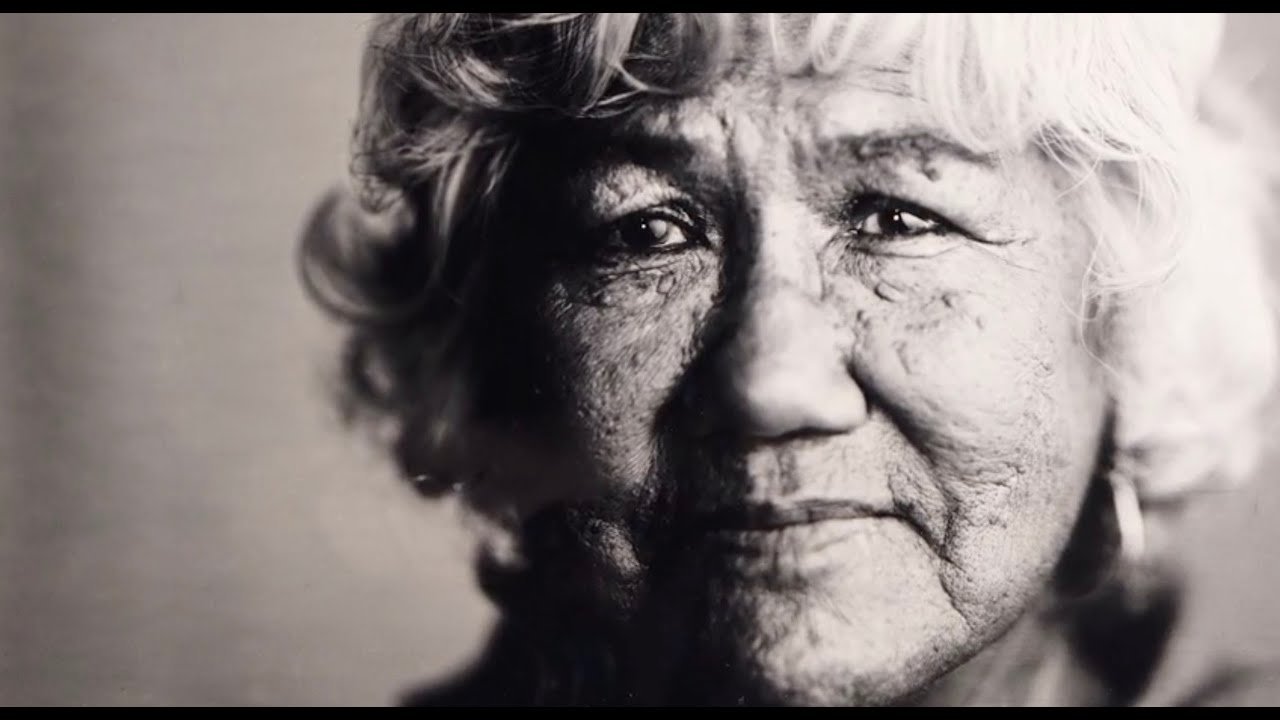
Inspired by some of the country's most unique voices, a BYU photography professor and a recent BYU graduate set out to photograph individuals who speak rare and endangered languages. One image from their Vanishing Voices project has now found its way to the Smithsonian Institution National Portrait Gallery. "Florence, one of the last speakers of Alutiq," a wet plate tintype collodion portrait by Paul Adams (BYU photography professor) and Jordan Layton (a 2017 BYU photography graduate), is now on display in Washington, D.C.
Video produced by BYU University Communications
Producer/Editor: Julie Walker
Cinematography by Brian Wilcox
Still photography by Paul Adams and Jordan Layton
News release from BYU University Communications:
New Smithsonian exhibit features BYU professor and student duo’s portrait
This fall a new exhibit at the Smithsonian Museum features 46 portraits taken from photographers all across the country. But only one of the 46 pieces of art displays not one, but two artist names: Paul Adams, a BYU professor, and Jordan Layton, a former photography student.
Their work will be presented in “The Outwin 2019: American Portraiture Today,” a major exhibition premiering at the National Portrait Gallery. Every three years, artists living and working in the United States are invited to submit one of their recent portraits to a panel of experts chosen by the museum. The works of this year’s 46 finalists were selected from over 2,600 entries.
The BYU duo’s portrait that is accepted for display in the Smithsonian is called Florence, one of the last speakers of Alutiq. It is a piece from their project “Vanishing Voices” and will hang in the National Portrait Gallery for a year and a half before going on tour for two years.
“Florence just has this really beautiful resilience in her face,” Adams remarked. “She looks humble, but also had this really piercing resilience about her and that kind of sums up all of these people who’ve held onto this last piece of their culture.”
A few years ago, Layton approached Adams with the idea to photograph the last known speakers of multiple endangered North American languages that have only a handful of speakers left in the world.
“I was amazed at how many endangered languages there were even within our own country,” Layton said. “Looking into these tribes and people it really amazed me how hard they are fighting to hold onto their cultures and their languages.”
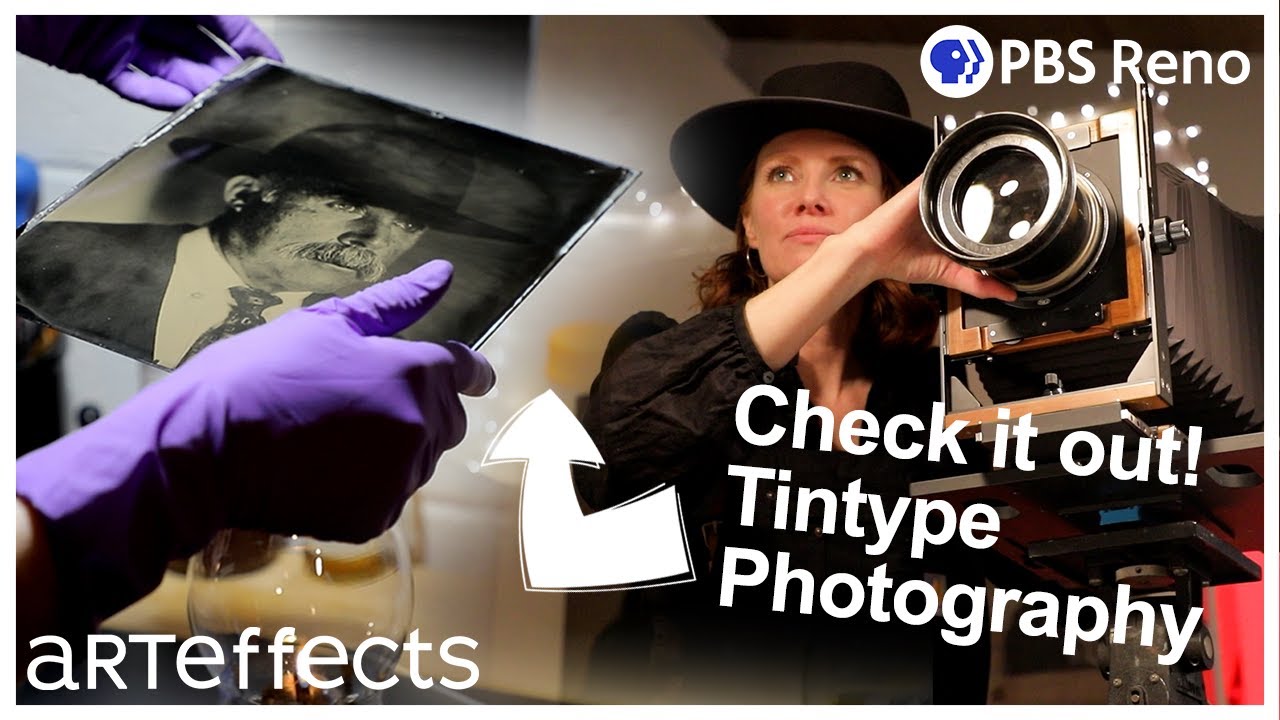
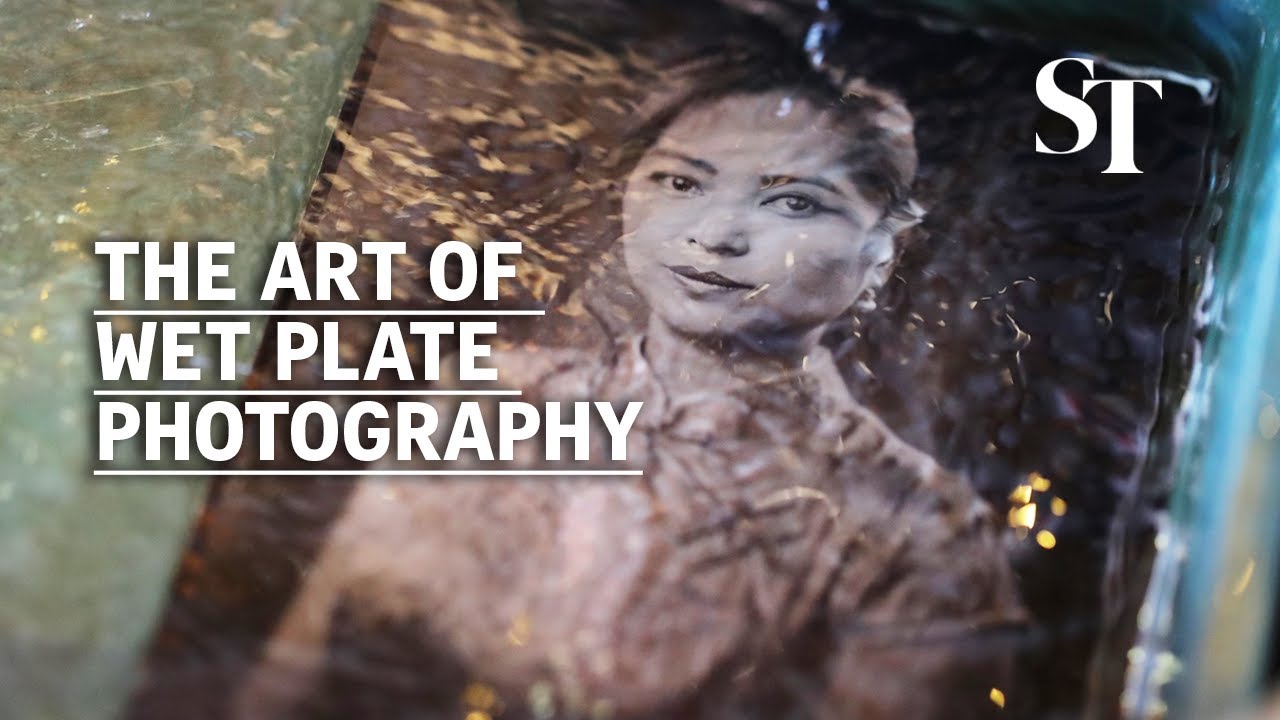
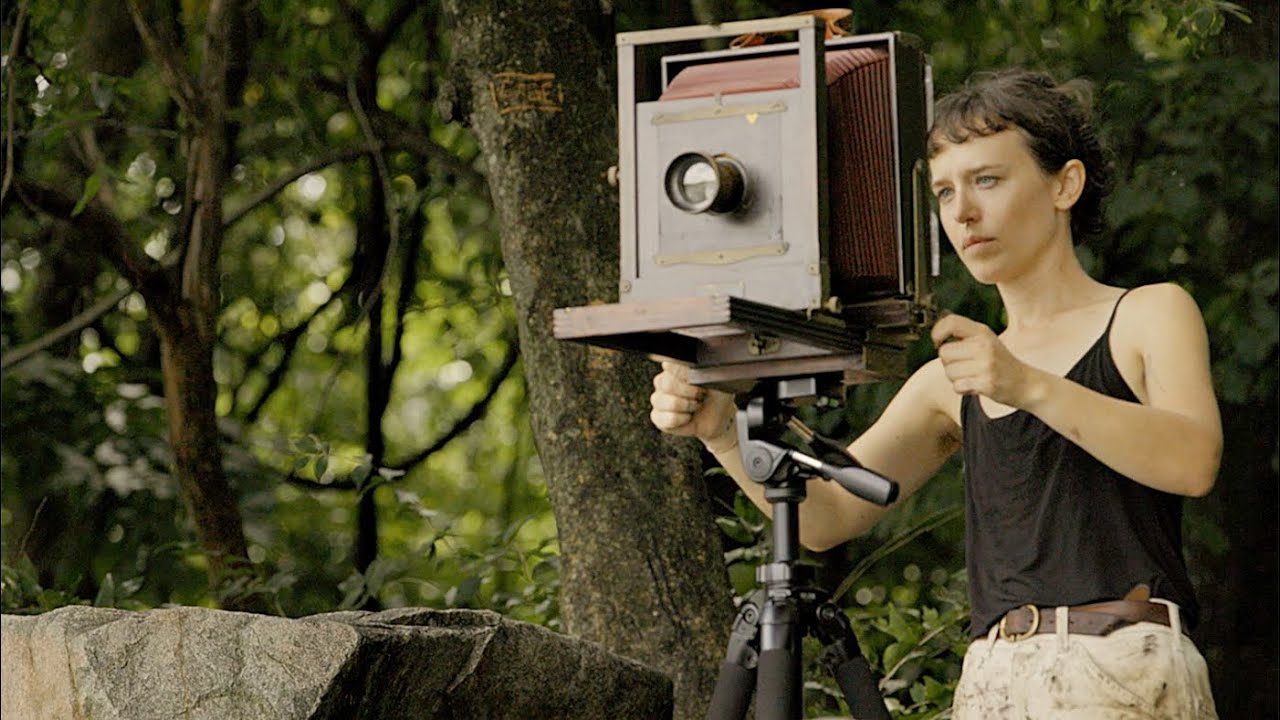
To capture these “vanishing voices,” the team decided to use a Civil War era photographic process called wet plate collodion tintype.
The photography process for tintype is not as simple as point and shoot. They brought a portable dark room in a trailer and photographed the subjects on a sheet of black tin coated with silver. The light that reflects off of the subject produces a direct positive image on the metal plate, meaning the light from an individual’s face is literally imbedded in the silver covering the metal plate of the actual photograph. This process is time consuming to set up and produce an image, which adds to the value of the portrait.
“Each plate with an individual's unique characteristics is unrepeatable,” said Adams. “There's only going to be one image like that, so it celebrates the uniqueness of the person we're photographing. Oftentimes that's the last person who speaks that language, and we are able to create this one-of-a-kind plate, just like this person is one-of-a-kind.”
These pieces of photography are of special value because these photographs have no way of being reprinted somewhere else, leaving the original photo as the only copy.
Adams, Layton and a team of three or four students made multiple road trips through the western U.S. and Canada (even up through Alaska), towing a 6x12 trailer filled with all the necessary equipment to complete the complicated photo process. The team travelled for weeks at a time to capture portraits.
While Adams and his team did experience failures and frustrations along the way, he feels that helping these individuals see their own portraits made it all worth it.
“The person that we photographed is usually just sitting there watching this plate and all of a sudden this image comes up, and they see themselves the way their ancestors were photographed,” Adams said. “They see themselves in the same way that we historically have seen these noble Native Americans, and oftentimes they start to cry. All of a sudden, they see themselves differently than they've ever seen themselves before.”
More about the exhibit:
The exhibit will be on display from Oct. 26 through Aug. 30, 2020. The Outwin Boochever Portrait Competition encourages artists from across the United States to submit artworks that challenge the definition of portraiture.
Повторяем попытку...
Доступные форматы для скачивания:
Скачать видео
-
Информация по загрузке: