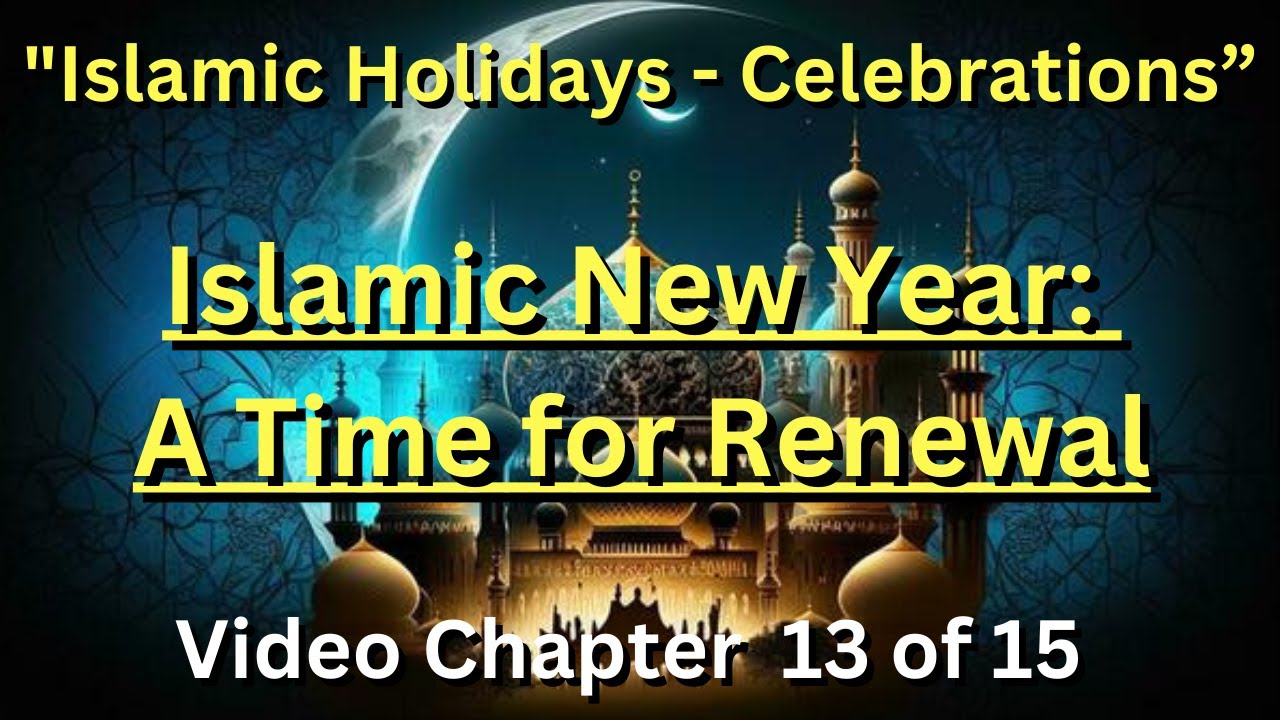
Islamic Holidays - Celebrations (Islamic New Year) Ch. 13 of 15 "audiobook - read along" ☪️
Автор: NorthStar Dreams
Загружено: 2023-10-10
Просмотров: 2
Описание:
#empowerment #islam #islamic
Islamic Holidays - Celebrations (Islamic New Year) Ch. 13 of 15 "audiobook - read along" ☪️
Chapter 13: Islamic New Year: A Time for Renewal
The Islamic New Year, also known as the Hijri New Year or Muharram, is a time of reflection, renewal, and spiritual significance in the Islamic calendar. In this chapter, we will explore the customs, significance, and the cultural importance of the Islamic New Year.
The Significance of the Islamic New Year
The Islamic New Year holds significance in Islam due to several key aspects:
1. Beginning of the Islamic Calendar
The Islamic New Year marks the beginning of the Islamic lunar calendar, which started with the migration (Hijra) of the Prophet Muhammad and his followers from Mecca to Medina in 622 CE. It is a time to remember this historical event and its impact on the Islamic community.
2. Reflection and Renewal
The Islamic New Year is a time for Muslims to reflect on their faith, values, and the teachings of Islam. It offers an opportunity for personal renewal and commitment to living a life in accordance with Islamic principles.
3. Gratitude and Prayer
Muslims express gratitude to Allah for the blessings and guidance provided in the past year. They offer prayers and supplications for a prosperous and spiritually fulfilling year ahead.
Customs and Traditions of the Islamic New Year
1. Acts of Worship
Muslims engage in acts of worship during the Islamic New Year, including attending mosque services, offering special prayers, and reciting the Quran. These acts of worship are intended to seek Allah's blessings and guidance for the coming year.
2. Fasting
Some Muslims choose to fast on the first day of Muharram, the Islamic New Year, as a sign of gratitude and devotion. It is not obligatory but is observed by those who wish to engage in this act of worship.
3. Reflection and Goal Setting
Many Muslims take time during the Islamic New Year to set spiritual goals, reflect on the past year, and make intentions for personal growth in faith and righteousness.
4. Acts of Charity and Good Deeds
Acts of charity and kindness are encouraged on the Islamic New Year. Muslims may choose to give to the less fortunate, support charitable causes, and engage in acts of goodwill.
5. Family and Community Gatherings
Families and communities may come together for meals and gatherings to celebrate the occasion. It is a time for strengthening social bonds and sharing in the spirit of unity and faith.
Cultural Variations
The way the Islamic New Year is observed can vary among different Muslim communities and regions. Some communities may place greater emphasis on certain customs or traditions, while others may have unique cultural practices associated with the occasion.
Conclusion
The Islamic New Year is a time of historical reflection, spiritual renewal, and gratitude in the Islamic calendar. It commemorates the migration of the Prophet Muhammad and the beginning of a new era in Islamic history. The customs and traditions associated with the Islamic New Year encourage Muslims to deepen their faith, seek Allah's blessings, and foster a sense of unity within their communities. As we continue our exploration of Islamic holidays and celebrations in this book, we will uncover more about the diverse tapestry of traditions and beliefs that define Islam.
https: //youtube. com/channel/UCMUWMNFQhJspmvCLaPUFz_w
Повторяем попытку...
Доступные форматы для скачивания:
Скачать видео
-
Информация по загрузке: