Mehmed III – 13th Sultan of the Ottoman Empire (1595–1603)
Автор: History With Sohail
Загружено: 2025-05-23
Просмотров: 36214
Описание:
Mehmed III – The 13th Sultan of the Ottoman Empire (1595–1603)
An era of turmoil, rebellion, and bitter wars
1. Ascension to the Throne (1595):
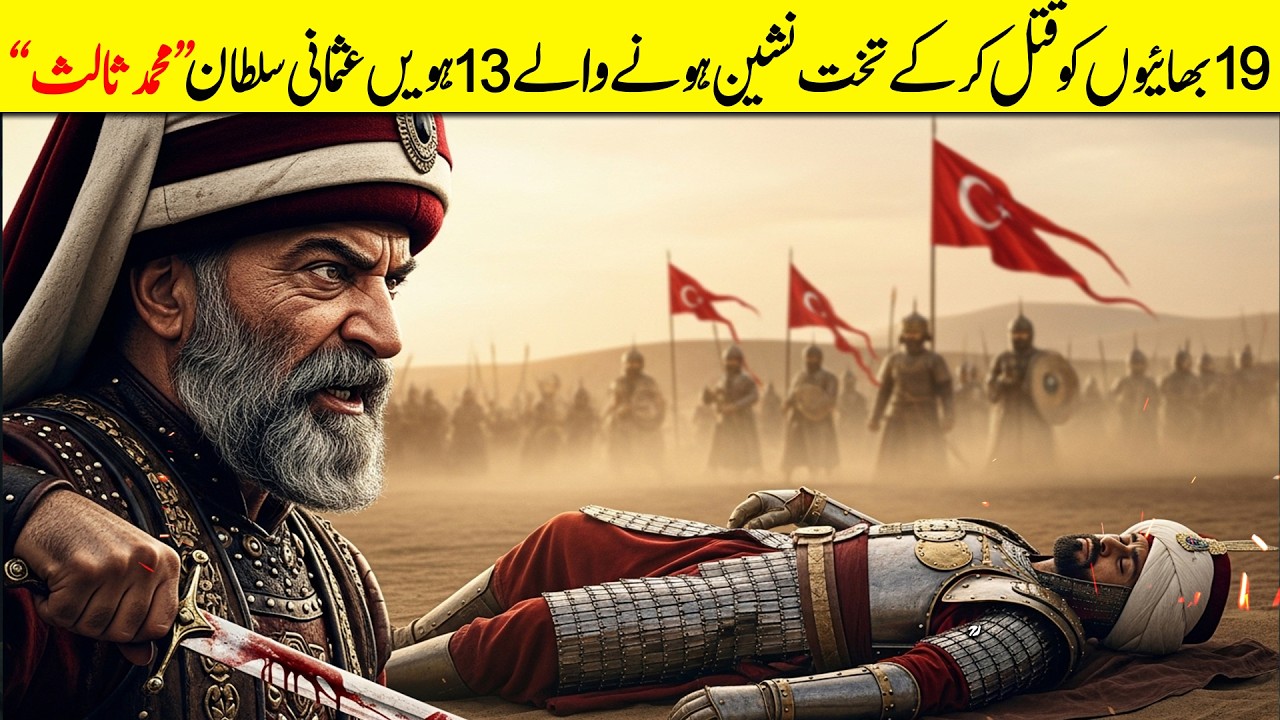
Mehmed III became Sultan after the death of his father, Murad III, in 1595. As per the grim tradition of Ottoman succession, Mehmed ordered the execution of his 19 brothers to eliminate any threats to his rule. This brutal act marked the beginning of his reign and demonstrated the ruthlessness expected of an Ottoman sultan during succession crises.
2. Internal Rebellions and Challenges:
Mehmed’s early reign was plagued by internal instability. The empire was suffering from financial strain, discontent among the Janissaries, and regional uprisings. One of the major rebellions was led by the powerful Jelali bandits in Anatolia, who opposed the central authority due to high taxes and corruption. These uprisings severely weakened the internal cohesion of the empire.
3. War with Austria – The Long War (1593–1606):
Although the war began under Murad III, it intensified during Mehmed III's rule. Known as the "Long Turkish War," this prolonged conflict between the Habsburgs and the Ottomans saw many costly battles. In 1596, Mehmed personally led his army to the famous Battle of Haçova (Battle of Mezőkeresztes). Despite initial setbacks, the Ottomans won a decisive but hard-fought victory against the Austrians and their allies. This was the first and only major campaign Mehmed led in person, earning him temporary prestige.
4. Campaigns Against Iran (Safavid Empire):
On the eastern front, the Ottomans were also engaged in sporadic conflict with the Safavid Empire of Persia. These border skirmishes, especially over control of territories in eastern Anatolia and Iraq, stretched Ottoman resources even further. Mehmed III struggled to maintain authority over these distant provinces due to administrative corruption and weakened military control.
5. Court Intrigue and the Execution of Prince Mahmud (1603):
Towards the end of his reign, Mehmed was increasingly isolated and influenced by palace factions and his powerful mother, Safiye Sultan. He became suspicious of his eldest son, Prince Mahmud, who was popular among the Janissaries and the court. Fearful of being overthrown, Mehmed ordered the execution of Mahmud in 1603 — a tragic end that shocked the empire and is still seen as a dark mark on his legacy.
6. Death and Legacy (1603):
Mehmed III died later that year, in December 1603. He left behind an empire strained by internal unrest and external wars. His reign is remembered for military stagnation, political intrigue, and the human cost of power struggles. His successor, Ahmed I, inherited a weakened empire and sought to bring reforms in the shadow of his father’s turbulent rule.
Follow us : / historywithsohail
Facebook : / historywithsohail
Twitter : / historyinurdu1
Instagram : / historyinurdu
Pinterest : / historyinurduofficial
Website :https://historyinurdu.com/
Disclaimer
Some contents are used for educational purpose under fair use. Copyright Disclaimer Under Section 107 of the Copyright Act 1976, allowance is made for "fair use" for purposes such as criticism, comment, news reporting, teaching, scholarship, and research. Fair use is a use permitted by copyright statute that might otherwise be infringing. Non-profit, educational or personal use tips the balance in favor of fair use.
About:
" History With Sohail " . In this Channel you got Knowledge about " History of Islam" ,History of Culture ,History of Sub Continent and Others, History about Famous Persanolites and Famous Places , History about Big Wars, and Effects of Wars on Other Peoples. Hopefully you got Good Knowledge About this Channel.
Повторяем попытку...
Доступные форматы для скачивания:
Скачать видео
-
Информация по загрузке: