VLOG 155 || Section 4 of Indian Evidence Act 1872.
Автор: Legal Beagle 04
Загружено: 2026-02-16
Просмотров: 20
Описание:
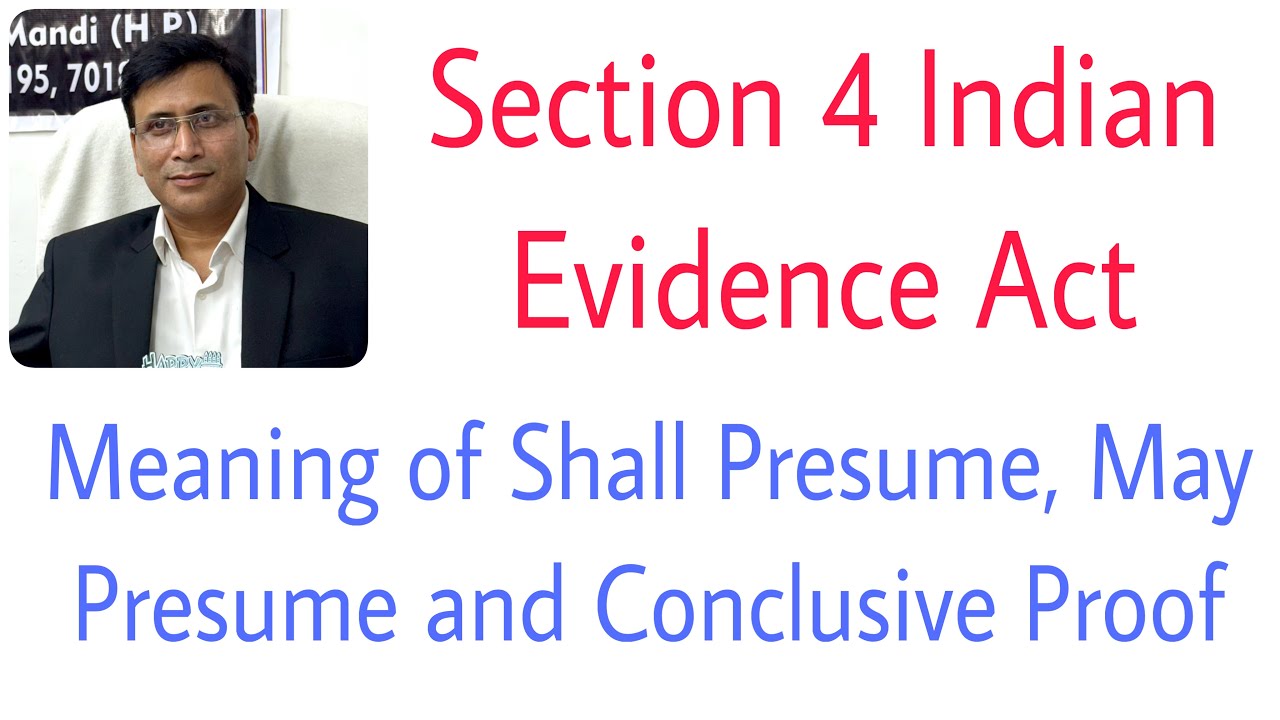
In this vlog, we have explained Section 4 of the Indian Evidence Act, 1872 in detail, which defines the different types of presumptions that a court can make during judicial proceedings. This section is very important because it clarifies the situations in which the court may presume, shall presume, or treat a fact as conclusive proof.
The following key concepts are explained in simple language with practical examples:
• May Presume: The court has discretionary power to presume a fact as true unless it is disproved, but it is not mandatory.
• Shall Presume: The court is bound to presume a fact as true unless sufficient evidence is produced to disprove it.
• Conclusive Proof: The court must accept the fact as final, and no evidence can be given to disprove it.
This section plays a crucial role in the appreciation of evidence and the decision-making process in court. Through this vlog, viewers will gain a clear understanding of the legal definition, practical application, and importance of Section 4 in legal proceedings.
This video is especially useful for law students, advocates, judiciary aspirants, and candidates preparing for competitive law examinations, as it strengthens their conceptual clarity of presumptions under evidence law.
Hashtags:
#IndianEvidenceAct #Section4EvidenceAct #PresumptionInLaw #MayPresume #ShallPresume #ConclusiveProof #LawStudents #JudiciaryPreparation #LegalEducation #EvidenceLaw #Advocacy #LawVlog #BareActExplanation #indianlaw #legalawareness #lawstudents #indianadvocates #adapreparation #ada #adaexam #higherjudicialservices #hjspreparation #himachaljudicialservices #trending #trendingvideo #top #topsearches #important
Повторяем попытку...
Доступные форматы для скачивания:
Скачать видео
-
Информация по загрузке: