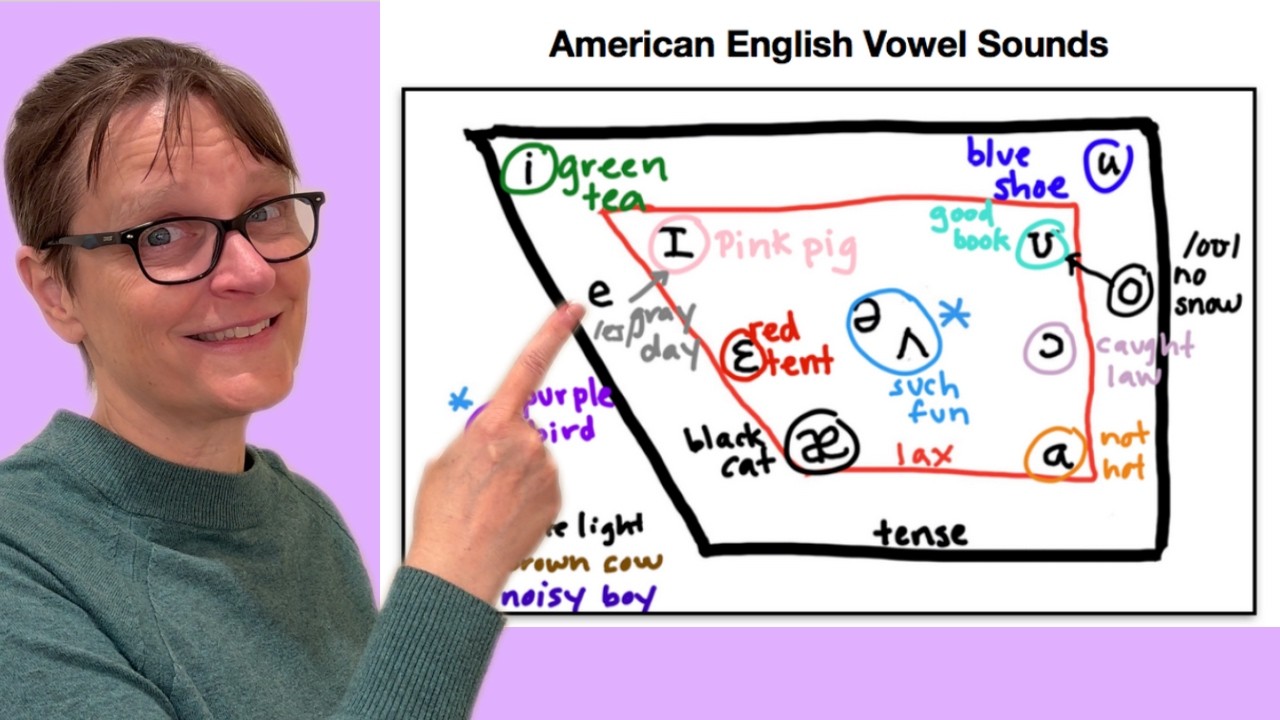
Vowel /u/ as in New Shoe
Загружено: 2026-02-21
Просмотров: 194
Описание:
Master the pronunciation of the tense /u/ vowel with this comprehensive guide. Get our free Guide to American English vowels: https://speechmodification.thinkific....
We explore the most common spellings—including u-e (tune), oo (food), ew (new), and the rare o (do)—and explain the "silent e" rule that helps you identify this sound in text.
We also dive into the subtle accent patterns that set American English apart, such as yod-dropping (saying "noo" instead of "nyoo") and avoiding the "forward" vowel shift that can make your /u/ sound more like a German ü. Whether you are distinguishing between Luke and look or trying to master the triple-homophone to, too, and two, this guide provides the phonetic foundation you need.
Key highlights include:
Spelling Patterns: Identifying /u/ in words like blue, room, and due.
Yod-Dropping: Why Americans say "YouTube" and "Tuesday" without a /j/ sound.
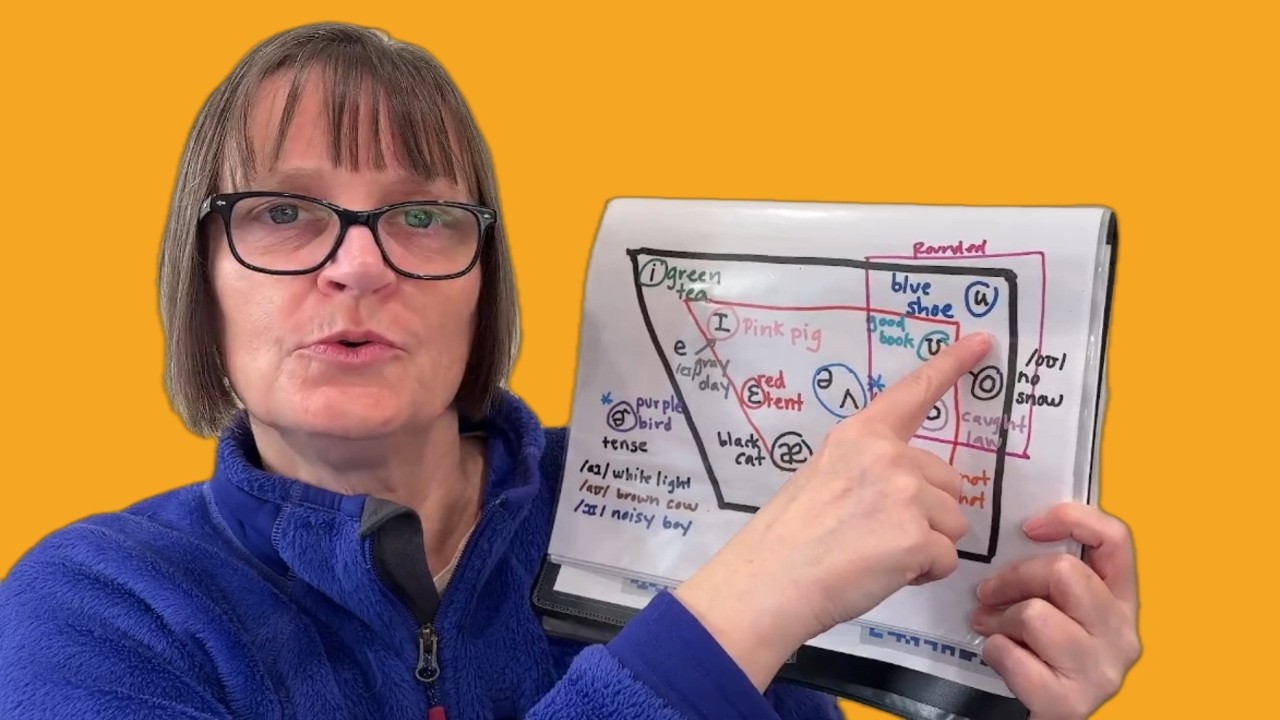
Tense vs. Lax: Distinguishing /u/ (food) from /ʊ/ (good).
The "Forward Vowel" Trap: Keeping the tongue back to avoid a fronted /y/ sound.
Homophone Mastery: Pronouncing to, too, and two identically.
Time Stamps
0:00 Introduction to the /u/ (blue shoe) vowel
0:28 Common spellings: u-e, oo, less common, ew, and o
0:55 The "Silent E" rule: Cut vs. Cute
2:15 American Yod-Dropping: "New" vs. "Nyew"
3:10 Accent Error patterns to watch for
4:50 Contrast practice: /u/ (Luke) vs. /ʊ/ (look)
5:10 Avoiding the "Forward" vowel error
6:50 more resources: our Sounds of English course: https://courses.speechmodification.co...
The "blue shoe" vowel (/u/) is the highest, furthest-back vowel in American English. While it exists in many languages, the challenge in English often lies in its unpredictable spelling patterns and the specific way Americans "drop" certain sounds compared to other English dialects.
🎙️ Phonetic Focus: The Close Back Rounded Vowel /u/
To produce a perfect American /u/, your tongue should be high and retracted toward the back of the mouth. Your lips must be firmly rounded. Unlike the /ʊ/ in "book," the /u/ in "boot" is tense, meaning the muscles in your lips and tongue are engaged.
🎙️ Dialect Note: Yod-Dropping
In American English, we typically drop the /j/ (y) sound after alveolar consonants (t,d,s,z,n,l).
UK: Tuesday (/ˈtjuːzdeɪ/)
US: Tuesday (/ˈtuːzdeɪ/)
💡 Practice Phrases
Try these "matching" phrases to lock in the tense /u/ sound:
Blue shoe
New room
Soon tunes
Two shoes
Subscribe to our channel! / @pronounceenglishspeech
Повторяем попытку...
Доступные форматы для скачивания:
Скачать видео
-
Информация по загрузке: