This wearable robot can learn
Автор: Harvard John A. Paulson School of Engineering and Applied Sciences
Загружено: 2025-08-19
Просмотров: 5260
Описание:
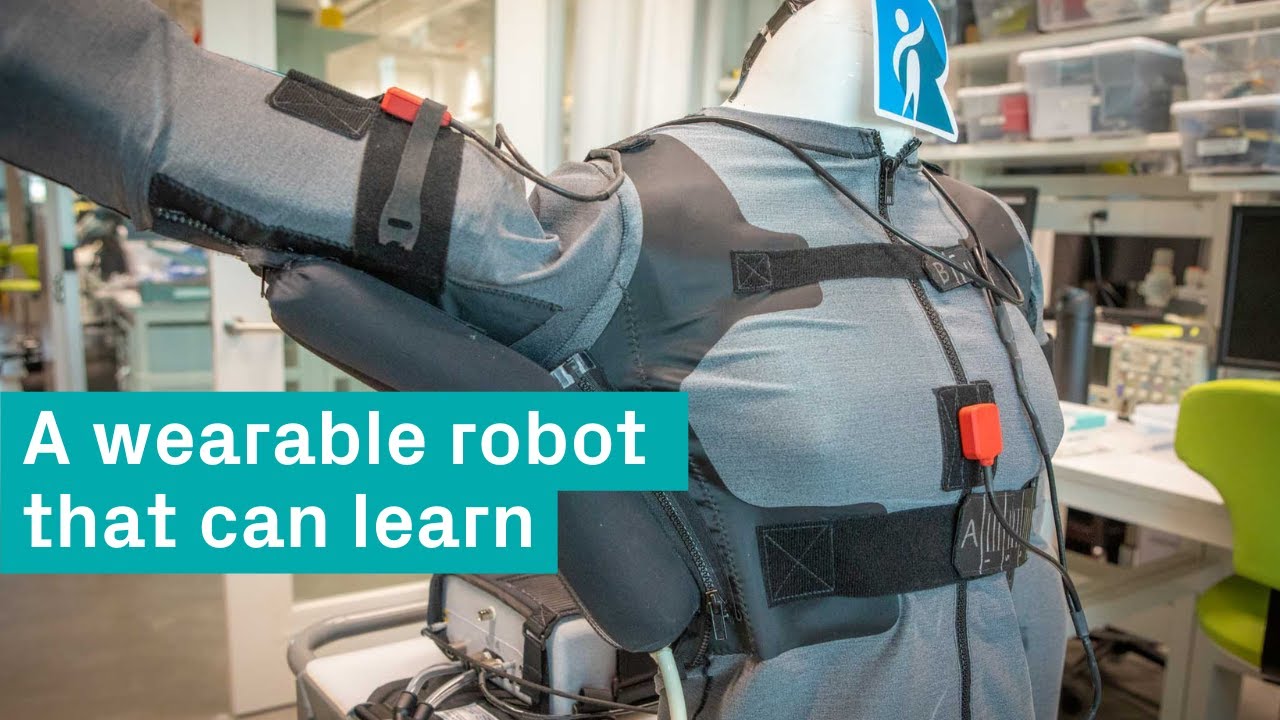
The Harvard Biodesign Lab presents an advancement in assistive technology, showcasing a wearable robotic arm designed for rehabilitation. This mobility aid aims to bridge the gap between robotics lab research and the practical needs of individuals undergoing physical therapy. See how this innovative device can assist with stroke recovery and improve movement.
The soft, wearable robotic device provides personalized movement assistant for individuals with upper-limb impairment, such as post-stroke patients and people living with ALS.
The robot combines machine learning and a physics-based model to learn each user’s unique movements and provide support for daily activities like eating and drinking.
The research was published in Nature Communications and led by Professor Conor Walsh in collaboration with Massachusetts General Hospital clinicians Dr. David Lin and Dr. Sabrina Paganoni.
Read more: https://seas.harvard.edu/news/2025/08...
Link to paper: https://www.nature.com/articles/s4146...
_________________
SEE MORE RESEARCH VIDEOS:
• Research Highlights
_________________
SUBSCRIBE TO OUR MONTHLY RESEARCH NEWSLETTER
https://harvard.us1.list-manage.com/s...
_________________
VISIT US ON SOCIAL MEDIA
/ hseas
/ harvardseas
/ hseas
/ dashboard
_________________
Hashtags:
#HarvardSEAS
#harvardengineering
#Harvard
#research
#robotics
#mechanicalengineering
The Harvard Biodesign Lab presents an advancement in assistive technology, showcasing a wearable robotic arm designed for rehabilitation. This mobility aid aims to bridge the gap between robotics lab research and the practical needs of individuals undergoing physical therapy. See how this innovative exoskeleton can assist with stroke recovery and improve movement.
Повторяем попытку...
Доступные форматы для скачивания:
Скачать видео
-
Информация по загрузке: