Borodin: Polovtsian Dances (reference recording: Jerzy Semkow, Sofia National Orchestra & Chorus)
Автор: Classical Music/ /Reference Recording
Загружено: 2026-03-10
Просмотров: 1616
Описание:
🔥🎧 Full Album available // Borodin: Prince Igor by Boris Christoff & Jerzy Semkow
🔥🎧 Choose my streaming platform: https://lnk.to/princeigorsemkow
🎧 Qobuz (Hi-Res/flac) https://cutt.ly/dtTAmcaY Tidal (Hi-Res/flac) https://cutt.ly/ttTAmDcL
🎧 Apple Music (Lossless) https://cutt.ly/jtTAm3M7 Amazon Music (Hi-Res/flac) https://cutt.ly/9tTAQdrW
🎧 Deezer (Hi-Fi) https://cutt.ly/RtTAQGmi Spotify (mp3/Lossless) https://cutt.ly/mtTAQ69l
🎧 Youtube Music (mp4) https://cutt.ly/RtTAWzTD
Alexander Borodin (1833-1887) Prince Igor, IAB 7, Act 2 (excerpt): Polovtsian Dances
00:00 Chorus of the Polovtsian Maidens. Na bezvodiy, dnyom na solntse (Polovtsian Girl, Chorus) (2026 Remastered, Paris 1966)
07:20 Dance of the Polovtsian Maidens (Orchestra) (2026 Remastered, Paris 1966)
09:36 Polovtsian Dances: Introduction. Chorus of the Polovtsian Maidens. Wild Dance of the Men (2026 Remastered, Paris 1966)
13:45 Polovtsian Dances: General Dance (Chorus) (2026 Remastered, Paris 1966)
15:58 Polovtsian Dances: Dance of the Boys. Gliding Dance of the Maidens. General Dance (Chorus) (2026 Remastered, Paris 1966)
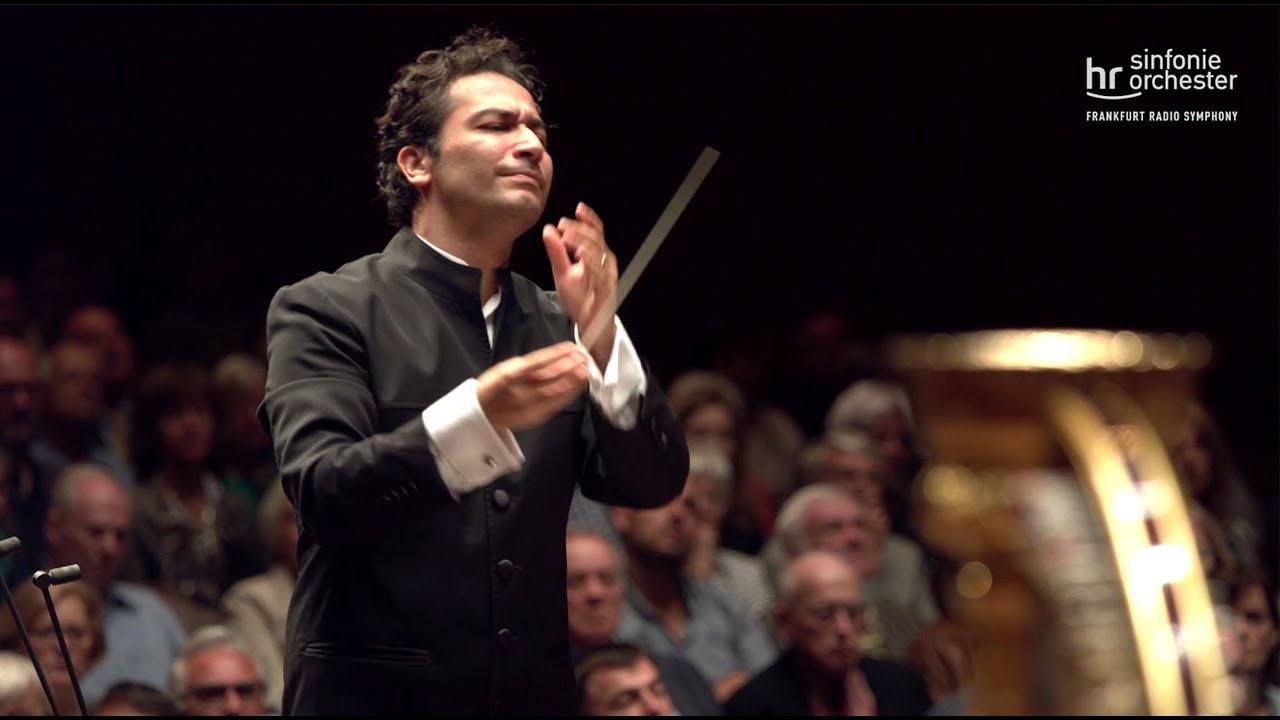
Sofia National Orchestra & Chorus
Conductor: Jerzy Semkow
Recorded in 1966, at Paris
New mastering in 2026 by AB for https://classicalmusicreference.com/
🔊 Join us with your phone on our WhatsApp fanpage (our latest album preview): https://cutt.ly/5eathESK
🔊 Find our entire catalog on Qobuz: https://cutt.ly/geathMhL
🔊 Discover our playlists on Spotify: https://cutt.ly/ceatjtlB
❤ Support us on Patreon https://cutt.ly/ZezaldhI
Stéphane Friédérich:
“The Polovtsian Dances by Alexander Borodin embodied, for Europe at the end of the nineteenth century, a certain form of Oriental exoticism. Taken from the opera Prince Igor, they ensured success for the Ballets Russes of Sergei Diaghilev at the beginning of the twentieth century.
When the composer died in 1887, the opera still existed only in fragmentary form. Alexander Glazunov undertook to continue the work, notably completing the overture. As for Nikolai Rimsky-Korsakov, he orchestrated everything that had not yet been orchestrated. Years earlier, in 1878, Borodin had embarked on this immense project and, as was his habit, he was running late, having orchestrated only four arias and a festive concert piece. He still had to add the Polovtsian Dances as well as a final chorus which he had promised to deliver to the Free School of Music of Saint Petersburg.
In his memoirs My Musical Life, Rimsky-Korsakov recalls Borodin’s lack of organization, which led him to call upon his friends to complete the score:
“Borodin came to my house one evening bringing with him the piano score of the Dances, which he had barely touched. The three of us, together with Anatoly Lyadov, began dissecting it and orchestrating it in great haste. To save time we wrote in pencil rather than ink. We worked late into the night. Borodin covered the pages with liquid gelatin to preserve our writing and to allow the sheets to dry more quickly. He hung them up like laundry on wires in my study.”
As for the opera Prince Igor, it was premiered in 1890, three years after the composer’s death. The Polovtsian Dances are not merely a divertissement: they form the magnificent conclusion of the opera’s second Polovtsian act. Igor is then held captive at the court of Khan Kontchak. He is a well-treated prisoner, for it is in his honor that the Polovtsian Dances are performed—an exuberant interlude that brings the percussion and clarinets to the forefront.
The dances follow the opera’s storyline so skillfully that Michel Fokine created from this material a choreography for the Ballets Russes of Sergei Diaghilev. It was presented in Paris in 1909 and had a tremendous impact on French composers of the time. The successive sections of the dances indeed form the medieval fresco of an epic opera: Dance of the Maidens, Dance of the Men, Collective Dance, Dance of the Boys, and Final Dance.
Borodin’s Polovtsian Dances embodied Oriental exoticism at the end of the nineteenth century. The harshness of the harmonies suggested a barbaric, strange, and seductive East. In the twelfth century, the Polovtsian people symbolized a threat to Russia. Much later, Sergei Prokofiev would recall these heightened passions set against a background of political drama. His cantata Alexander Nevsky thus continued the quest begun in Prince Igor.”
🔥🎧 Full Album available // Borodin: Prince Igor by Boris Christoff & Jerzy Semkow
🔥🎧 Choose my streaming platform: https://lnk.to/princeigorsemkow
Other Album available // Borodin: Symphonies Nos. 2 & 3, Prince Igor Overture by Ernest Ansermet
🎧 Qobuz (Hi-Res/flac) https://cutt.ly/Vev8YQ5Z Tidal (Hi-Res/flac) https://cutt.ly/zev8URD3
🎧 Apple Music (Lossless) https://cutt.ly/feE093ef Amazon Music (Hi-Res) https://cutt.ly/preFDxsC
🎧 Deezer (Hi-Fi) https://cutt.ly/nev8UIhH Spotify (mp3) https://cutt.ly/Uev8UGEO
🎧 Youtube Music (mp4) https://cutt.ly/Dev8IrDV Idagio (Hi-Fi) https://cutt.ly/Dev8U8Ig
Повторяем попытку...

Доступные форматы для скачивания:
Скачать видео
-
Информация по загрузке: