2002 Bali bombing
Автор: What Why How
Загружено: 2024-04-01
Просмотров: 85
Описание:
The year 2002 marked a dark chapter in Indonesia's history, as the tranquil paradise of Bali was rocked by a series of devastating terrorist attacks that would leave an indelible mark on the nation and the world. The bombings, which occurred on the evening of October 12, targeted popular tourist areas in the bustling nightlife district of Kuta, unleashing chaos and carnage on a scale not seen before in the region.
To understand the motivations behind the Bali bombings, one must first delve into the complex political and social landscape of Indonesia at the time. The country, the world's largest Muslim-majority nation, was grappling with the rise of extremism and the growing influence of radical Islamist groups. Among these groups was Jemaah Islamiyah (JI), an extremist organization with ties to Al-Qaeda and a stated goal of establishing an Islamic caliphate in Southeast Asia.
For years, Jemaah Islamiyah had been operating clandestinely, recruiting members and plotting attacks against perceived enemies of Islam. The group viewed Western influence and secular governments as threats to Islamic values and sought to undermine and overthrow them through acts of terrorism.
The Bali bombings of 2002 were the culmination of JI's long-standing campaign of violence and terror. The attacks were meticulously planned and executed, designed to inflict maximum casualties and sow fear and chaos among the civilian population. The targets were two popular nightspots in Kuta: Paddy's Pub, a lively nightclub frequented by tourists, and the nearby Sari Club, a bustling venue known for its vibrant atmosphere.
As the night unfolded, tourists and locals alike filled the streets of Kuta, drawn by the promise of a lively evening ahead. The air was filled with the sounds of laughter and music as people enjoyed the vibrant nightlife that Bali had to offer. Little did they know that their evening of celebration would soon turn into a nightmare.
At approximately 11:05 PM local time, the tranquility of the night was shattered by a deafening explosion outside Paddy's Pub. The force of the blast sent shockwaves rippling through the crowded street, shattering windows and engulfing the area in flames. Panic ensued as patrons fled in every direction, their screams mingling with the wail of sirens as emergency responders rushed to the scene.
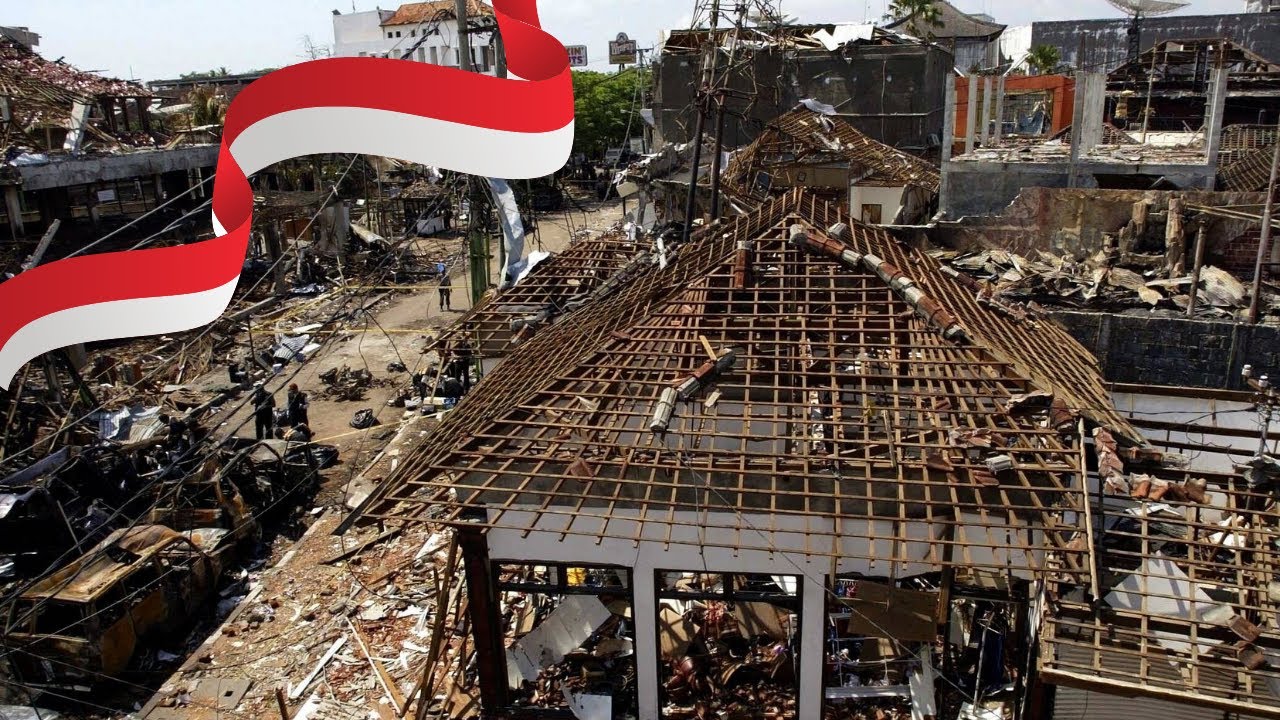
In the chaos that followed, a second bomb detonated near the Sari Club, intensifying the carnage and devastation. The force of the explosion was staggering, reducing buildings to rubble and engulfing the area in a massive fireball. The streets were littered with debris and the wounded as survivors emerged from the wreckage, dazed and disoriented.
The scale of the devastation was overwhelming. Entire buildings lay in ruins, cars were engulfed in flames, and the streets were strewn with debris and the injured. In the aftermath of the bombings, hundreds of innocent lives were lost, and thousands more were injured, many suffering from severe burns and shrapnel wounds.
Among the victims were families from around the world, including Indonesia, Australia, the United States, and numerous other countries. The attacks claimed the lives of men, women, and children alike, indiscriminately targeting civilians enjoying a night out in one of Bali's most popular tourist destinations.
As news of the bombings spread, the world watched in horror and disbelief. The international community rallied behind Indonesia, offering assistance and support in the aftermath of the attacks. Messages of solidarity poured in from leaders around the world, condemning the senseless violence and expressing sympathy for the victims and their families.
In the days and weeks that followed, Indonesian authorities launched a massive manhunt to apprehend those responsible for the bombings and dismantle the terrorist networks behind the plot. The investigation uncovered evidence linking the attacks to Jemaah Islamiyah, a shadowy extremist group with a history of violence and terrorism.
Through painstaking detective work and cooperation with international partners, Indonesian authorities were able to identify and apprehend key suspects linked to the bombings. Among them were individuals with ties to JI's leadership, including the alleged mastermind behind the attacks, Imam Samudra, and operational mastermind Riduan Isamuddin, also known as Hambali.
The arrests of key suspects marked a significant turning point in the fight against terrorism in Indonesia. However, the impact of the bombings extended far beyond the immediate loss of life and devastation. The attacks dealt a severe blow to Bali's tourism industry, which relied heavily on foreign visitors for its economic prosperity. In the wake of the bombings, tourists were hesitant to return to the island, fearing further attacks and instability.
Повторяем попытку...
Доступные форматы для скачивания:
Скачать видео
-
Информация по загрузке: