Logic Model, AI and Storytelling - Your Foundation for Fundraising
Автор: SoPact
Загружено: 2024-09-11
Просмотров: 1528
Описание:
💕 Love what you see? Hit ‘Like’ and ‘Subscribe’ to join our journey! 🚀
Data Storytelling Training ( https://bit.ly/3TTZp4P )
Impact Strategy With AI Training ( https://bit.ly/3XjSgvp )
Survey & Data Design With AI Training ( https://bit.ly/3MCUe5a )
Nonprofit Fundraising with Storytelling (https://bit.ly/3ThLNjh )
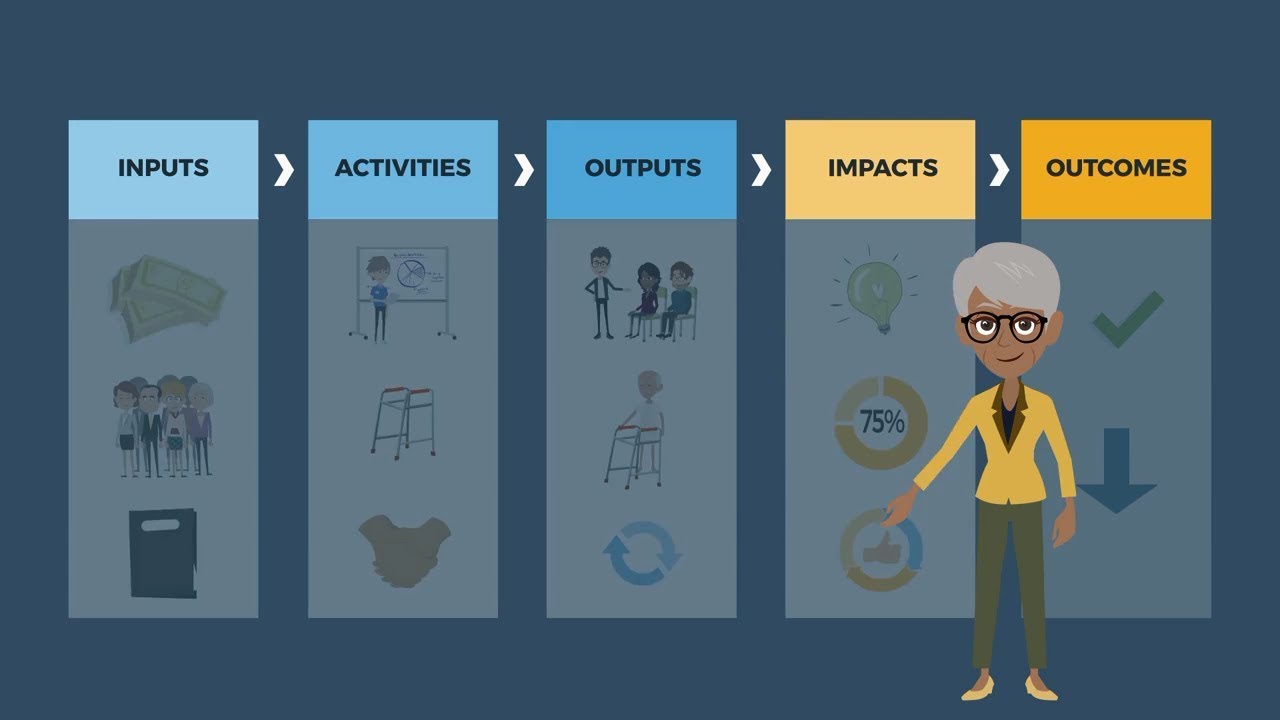
Welcome to Logic Model, AI, and Storytelling - Your Foundation for Fundraising. This video will discuss designing a logic model using SOPACT GPT for impact and sustainability. SOPACT GPT is a powerful tool that combines the power of data analytics and impact analytics and integrates them with SOPACT Sense. You can become data-driven and a compelling storyteller within a very short period. This tool allows organizations to quickly develop logic models, improving their strategic approach and impact reporting.
Why Use a Logic Model?
Clarify your program’s objectives: With a clearly defined problem, target, and solution, logic models help you communicate your mission and goals effectively to stakeholders.
Streamline your evaluation process: AI can help you quickly assess program activities, outputs, and outcomes, ensuring they align with your intended impact.
Communicate with funders: A well-designed logic model helps you present a clear, data-driven case to potential funders, improving your chances of securing support.
Enhance stakeholder understanding: Visually representing your program’s flow and impact ensures that everyone involved understands your work comprehensively.
Expanding the Impact:
In this video, I focus on the initial steps: strategy and logic model development. However, I encourage you to explore additional videos in our series that dive deeper into:
What You Will Learn in This Video:
How to create a logic model using SOPACT GPT, providing practical and step-by-step guidance.
How to combine AI with data-driven storytelling to enhance your organization’s impact.
How to develop a logic model that you can use for website presentation, improved messaging, and even a 30-second pitch deck.
Here are some examples from real organizations, such as the Miller Center for Social Entrepreneurship and Boys to Men, which focus on social enterprise and young adult programs.
Quick Overview of the Video:
In 5-7 minutes, I will walk you through a real-world practical example, demonstrating how organizations can utilize AI to build their logic model, optimize it for stakeholder communication, and improve overall impact messaging. Whether your goal is fundraising, program evaluation, or showcasing your outcomes, this approach will guide you to success.
The video starts with the basics of logic model development, ensuring you can apply these principles even if your website or organizational structure is still evolving. I’ll show how you can build a clear and concise problem statement, which will be the foundation for the rest of the logic model. From there, we’ll define the target audience, cause, impact, and stakeholder—all key components to developing a robust logic model.
Real-Life Examples:
For example, I reference the Miller Center for Social Entrepreneurship, an organization we've worked with for years. We demonstrate how SOPACT GPT can craft a logic model focused on social enterprises in underserved regions, helping them achieve financial sustainability through mentorship, investment, and operational guidance. SOPACT GPT identifies key problems and provides actionable solutions, which organizations can refine to align with their specific missions.
The Interactive Process:
This video also demonstrates the interactive process of using SOPACT GPT. I’ll show you how you can tweak and modify your logic model, ensuring it reflects your organization's unique needs. The tool allows flexible customization, whether you want to define more specific activities or adjust the model to suit your goals. You can even create a Google Doc to collaborate with your team, export the model to SOPACT Sense, and seamlessly integrate your data-driven insights into your organization’s workflow.
Once the logic model is developed, the next steps involve using data collection tools and leveraging AI to summarize quantitative and qualitative data. This can support storytelling, impact reporting, and evaluation. The AI-driven features within SOPACT Sense ensure that you can efficiently gather data, analyze it, and generate insights—all of which can be visualized in reports, dashboards, or presentations.
Final Steps:
Once your logic model is ready, it’s time to integrate it with the data-driven processes in SOPACT Sense. This includes:
#logicmodel #theoryofchange #storytelling
00:00 Logic Model Introduction
00:45 Logic Model, AI and Storytelling
01:31 Logic Model with Sopact GPT
02:26 Logic Model - Problem Statement
03:23 Logic Model from Website
04:54 Logic Model Program Evaluation
Повторяем попытку...
Доступные форматы для скачивания:
Скачать видео
-
Информация по загрузке: