Belgium’s Art Nouveau and Deco treasures
Автор: AP Archive
Загружено: 2018-03-17
Просмотров: 3610
Описание:
(12 Mar 2018) LEAD IN:
Brussels is throwing open the doors of its Art Nouveau and Art Deco mansions at the annual Banad festival.
Visitors can take guided tours around these 19th and early 20th century houses, whose timeless elegance continues to shape the city.
STORY-LINE
Visitors admire the sinuous wood and metal handrail on the stairs at the 19th century home of Belgian architecht and designer Victor Horta.
The mansion is one of several open to the public for the Brussels Art Nouveau and Art Deco (Banad) Festival.
Banad showcases Brussels' most outstanding examples of the Art Nouveau and Art Deco movements, offering guided tours of more than 60 historical mansions of artistic interest.
The 2018 edition of Banad is dedicated to Horta, the most celebrated architect of the Belgian Art Nouveau scene.
Built between 1898 and 1901, Horta's residence is one of his most impressive achievements.
It spreads over four floors and the furniture, fittings and decorations reveal how Horta took inspiration from the natural world, borrowing shapes from flowers, foliage and trees.
Art Nouveau became popular in the late 19th and early 20th centuries.
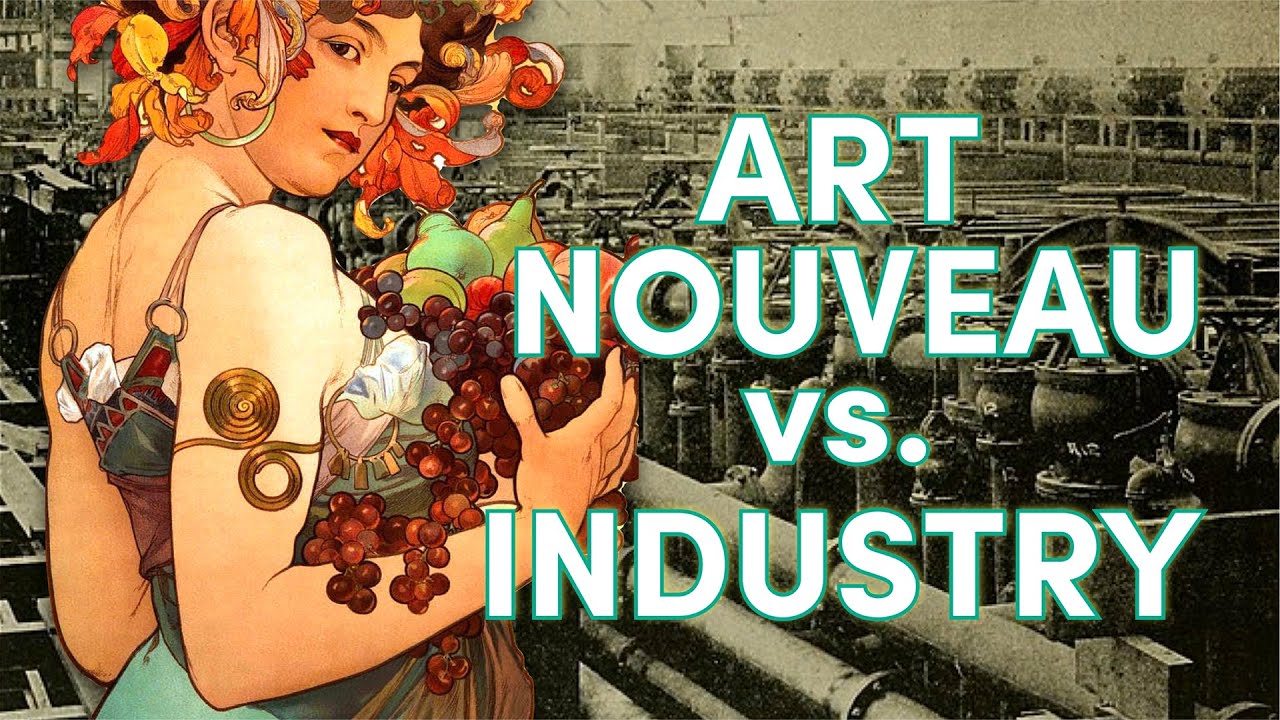
The movement celebrated nature but also took materials from the industrial revolution such as ironwork and glass, combining them with woodwork and mosaics.
The style blossomed in the Western world in various forms distinguished by their own national character.
In Belgium, Art Nouveau developed with the country's industrialization and economic expansion at the end of the 1800s.
"In Brussels Art Nouveau is quite floral. The great master of Brussels' Art Nouveau is Victor Horta. Victor Horta has a very distinctive trait, a stroke that we find a bit everywhere. It's very much inspired by nature and this is what distinguishes Art Nouveau in Brussels," says the festival director Jacinthe Gigou.
"We also see this in the materials that are used. At the time Brussels and Belgium were in the midst of an industrial revolution so different materials are given priority like glass and iron. We also find many elements like glass roofs, stained glass, glasshouses that are also typical of the Art Nouveau here."
As Brussels' population tripled at the end of the 19th century, architects were tasked with designing new homes for the upper and middle classes.
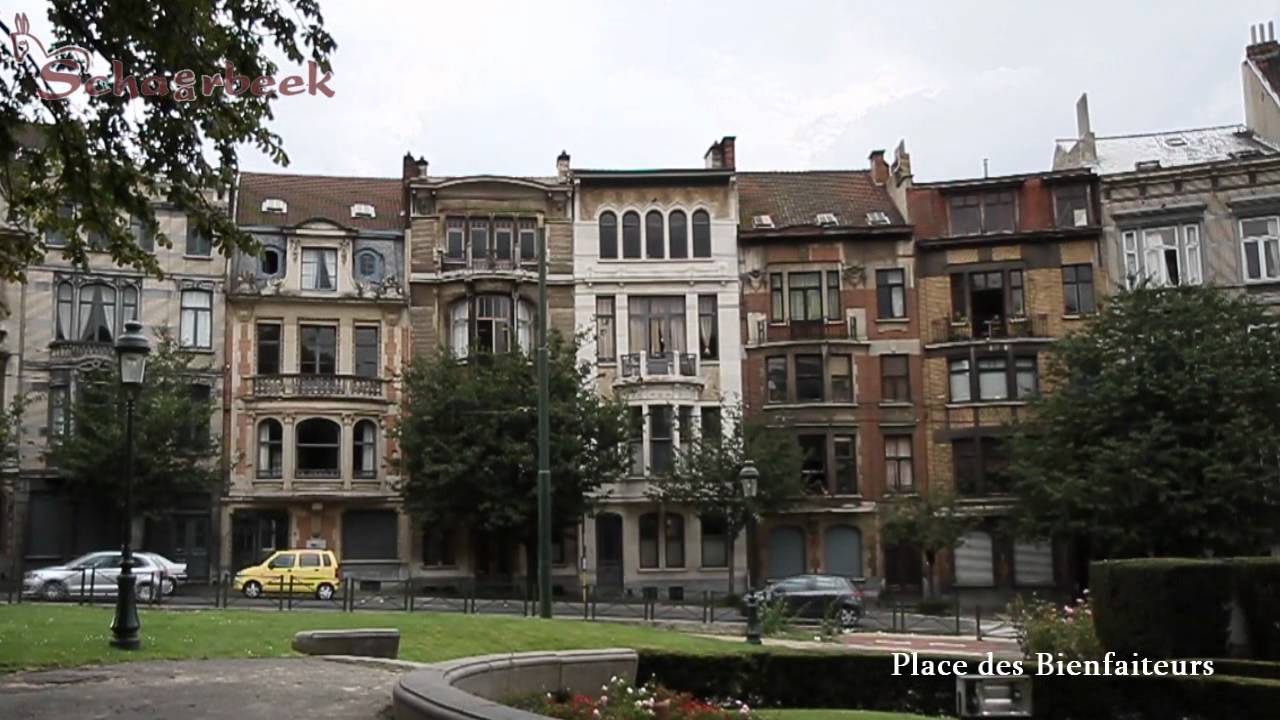
The neighbourhoods of Ixelles, Uccle, Saint-Gilles and the areas near Place Flagey and Avenue Louise – to name a few – all bear witness to the lasting legacy of Art Nouveau and Art Deco in the city.
"I think (Art Nouveau) is something Brussels residents are very proud of. And this is also the idea of this event: to show the importance of this heritage in order to highlight it, preserve it and look after it. Brussels residents are very much aware of the quality of this heritage. Brussels is renowned all over the world for its Art Nouveau," says Gigou.
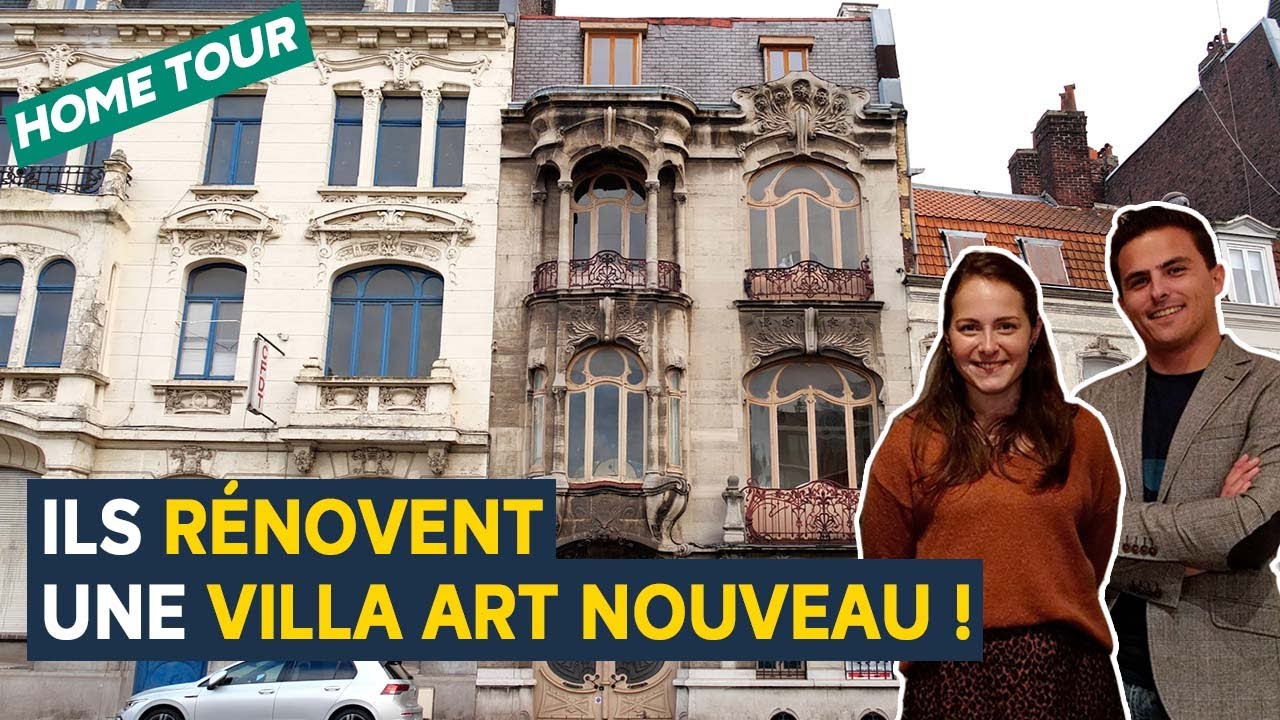
Maison Blérot 39, located near Place Flagey, presents some classic aspects of both Art Nouveau and Art Deco.
The house, built by Belgian architect Ernest Blérot in 1904, features an imposing staircase bringing in light from a stained-glass skylight at the top, a trademark of both styles.
When Art Nouveau disappeared after 1910, Art Deco came to the fore in the 1920s and 1930s.
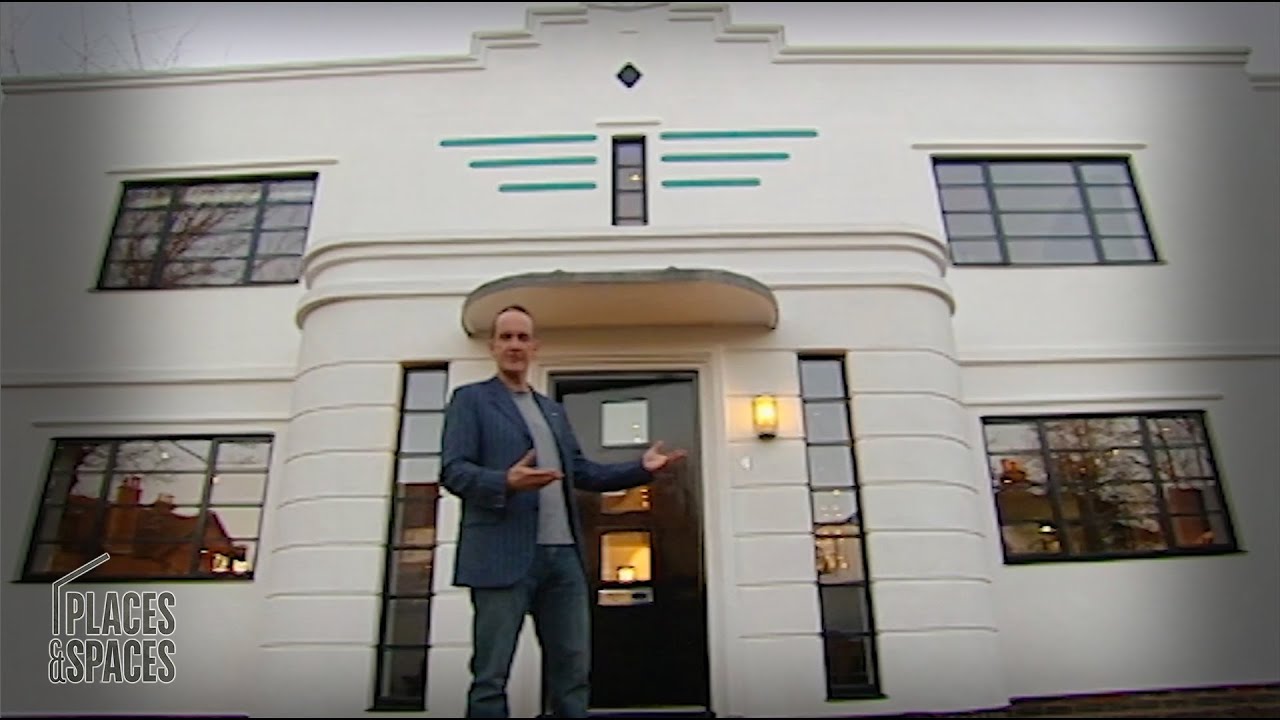
The new style retained the decorative elements of its predecessor but sobered up, replacing flowers with geometrical patterns, straight lines and a no-frills approach.
"Art Deco in Brussels originates from different places," says Gigou.
Villa Empain is an unmissable Art Deco gem.
Elsewhere in town, Brunfaut House shows how Modernism developed within the Art Deco movement.
Find out more about AP Archive: http://www.aparchive.com/HowWeWork
Twitter: / ap_archive
Facebook: / aparchives
Instagram: / apnews
You can license this story through AP Archive: http://www.aparchive.com/metadata/you...
Повторяем попытку...

Доступные форматы для скачивания:
Скачать видео
-
Информация по загрузке: