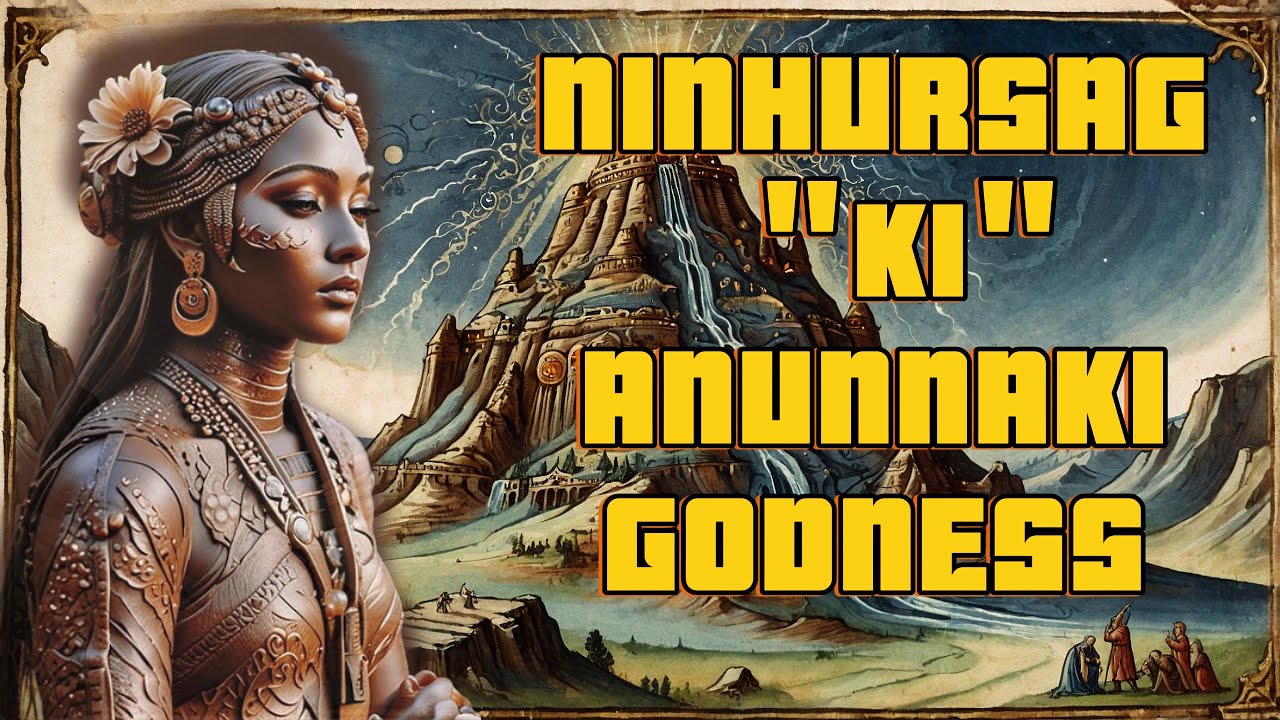
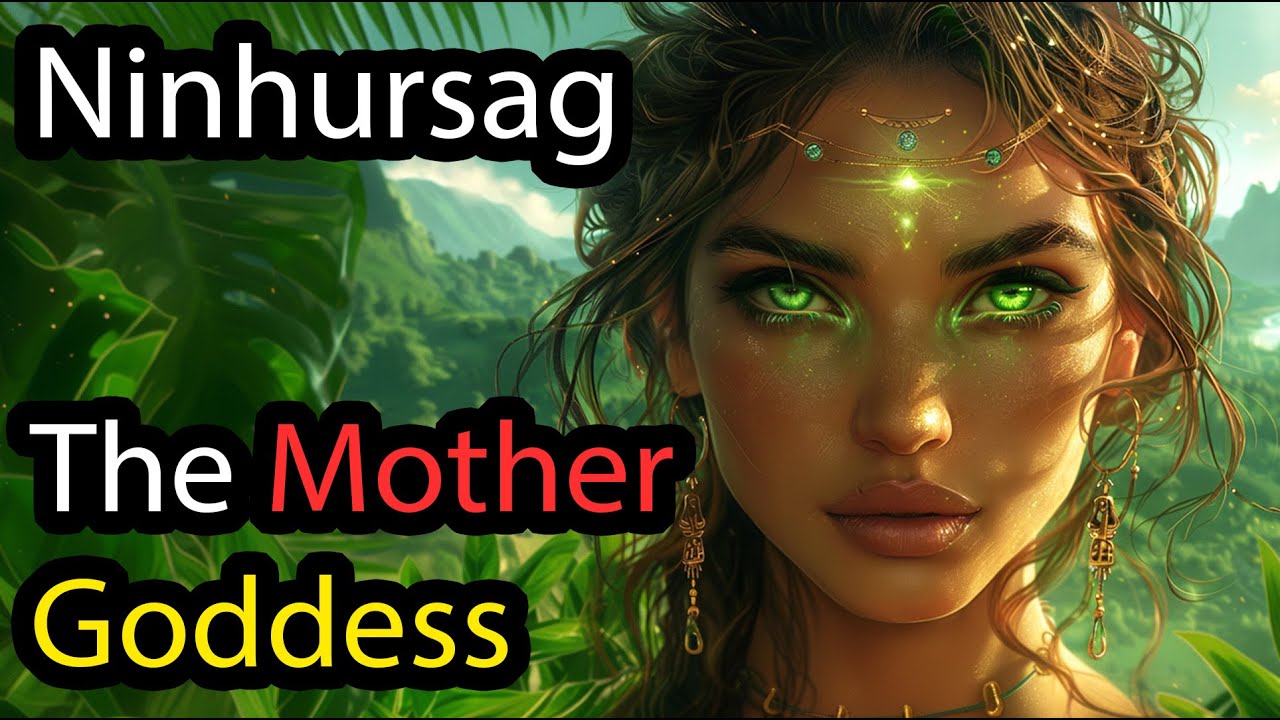
Ninhursag - the mother goddess, associated with fertility, nature, and childbirth
Автор: Mythologies from Around the World
Загружено: 2024-03-30
Просмотров: 156
Описание:
In the primordial realm of ancient Mesopotamia, where the Tigris and Euphrates rivers intertwined, there existed a divine being of immense power and grace: Ninhursag, the Mother Goddess. Her name, meaning "Lady of the Mountain," echoed through the ages, invoking reverence and awe.
Ninhursag was the embodiment of fertility, nature, and childbirth. Her presence permeated the land, nurturing the soil, bringing forth abundant harvests, and ensuring the continuation of life. She was the protector of women, the guardian of children, and the source of all that was good and bountiful.
Legends whispered of Ninhursag's creation of the world. With her divine breath, she gave life to the mountains, rivers, and plains. She fashioned the animals and plants, filling the earth with a vibrant tapestry of life. And when the gods themselves came into being, it was Ninhursag who nurtured and cared for them, guiding their steps and shaping their destinies.
Among the gods, Ninhursag held a special place. She was the mother of Enki, the god of wisdom and water, and the grandmother of Marduk, the supreme god of Babylon. Her wisdom and compassion were sought by all, and her counsel was revered.
One day, a great calamity befell the land. The rivers dried up, the crops withered, and the people faced starvation. Desperation gnawed at their hearts as they turned to their gods for help. Ninhursag, moved by their plight, descended from her celestial abode.
With her gentle touch, she revived the rivers, causing them to flow once more. She blessed the fields, restoring their fertility and bringing forth a bountiful harvest. The people rejoiced, their hearts filled with gratitude for their benevolent Mother Goddess.
But Ninhursag's compassion extended beyond the physical realm. She was also the healer of wounds, both physical and emotional. She possessed the power to mend broken bones, cure diseases, and soothe troubled minds. Her presence brought comfort to the sick and solace to the grieving.
One such tale tells of a young woman named Inanna, who was stricken with a terrible illness. Her body was wracked with pain, and her spirit was fading. Desperate, her family sought the help of Ninhursag.
Ninhursag listened intently to their pleas. With her divine touch, she examined Inanna, diagnosing her ailment as a curse placed upon her by an envious goddess. Ninhursag's heart filled with compassion, and she resolved to heal the young woman.
For eight days and eight nights, Ninhursag performed sacred rituals and uttered ancient incantations. She gathered herbs from the mountains and prepared healing potions. With each passing day, Inanna's pain gradually subsided, and her strength returned.
On the ninth day, Ninhursag completed her work. Inanna was fully healed, her body restored to its former vigor and her spirit renewed. Overjoyed, her family thanked Ninhursag profusely, praising her as the savior of their beloved daughter.
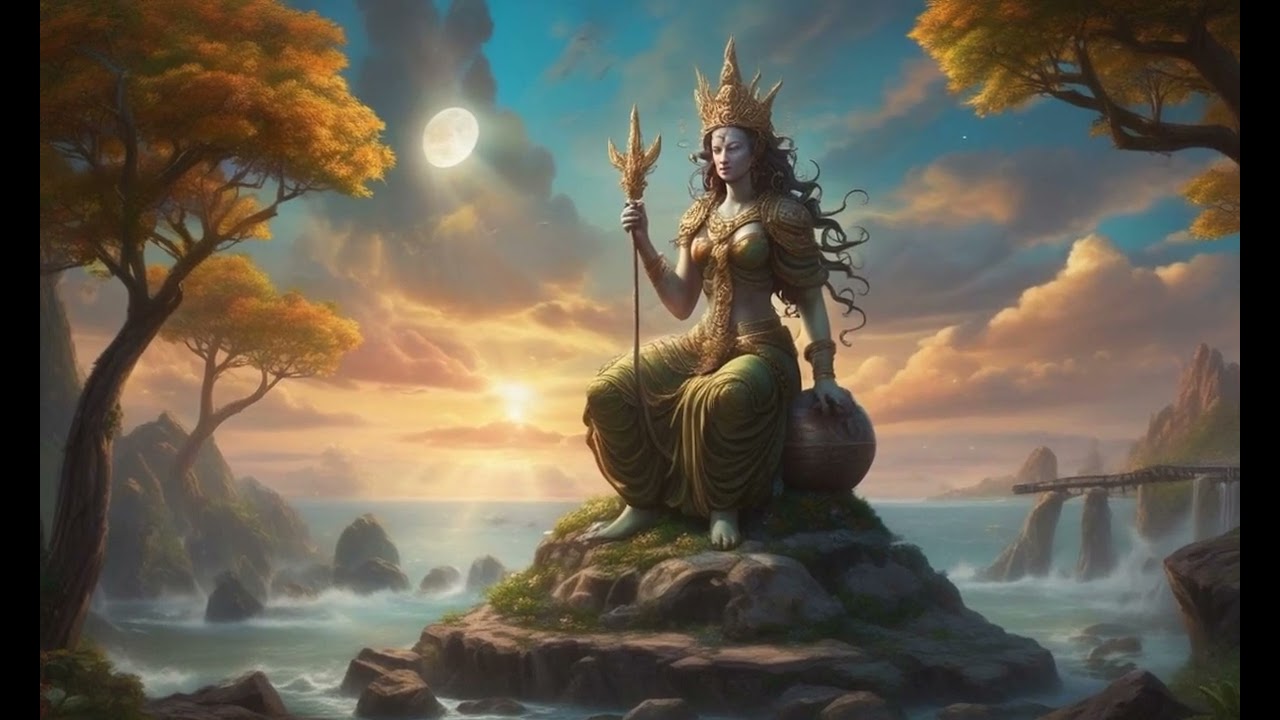
Ninhursag's legacy lived on for centuries. She was worshipped throughout Mesopotamia, her temples adorned with intricate carvings and her statues revered as symbols of hope and renewal. Her name was invoked in prayers for fertility, healing, and protection.
As the sands of time shifted, Ninhursag's influence spread beyond the borders of Mesopotamia. Her image and teachings found their way into other cultures, inspiring awe and reverence in the hearts of countless people.
And so, the Mother Goddess, Ninhursag, continued to watch over the world, her presence felt in the gentle breeze, the blooming flowers, and the laughter of children. She remained the eternal symbol of life, fertility, and the enduring power of love.
Повторяем попытку...
Доступные форматы для скачивания:
Скачать видео
-
Информация по загрузке: