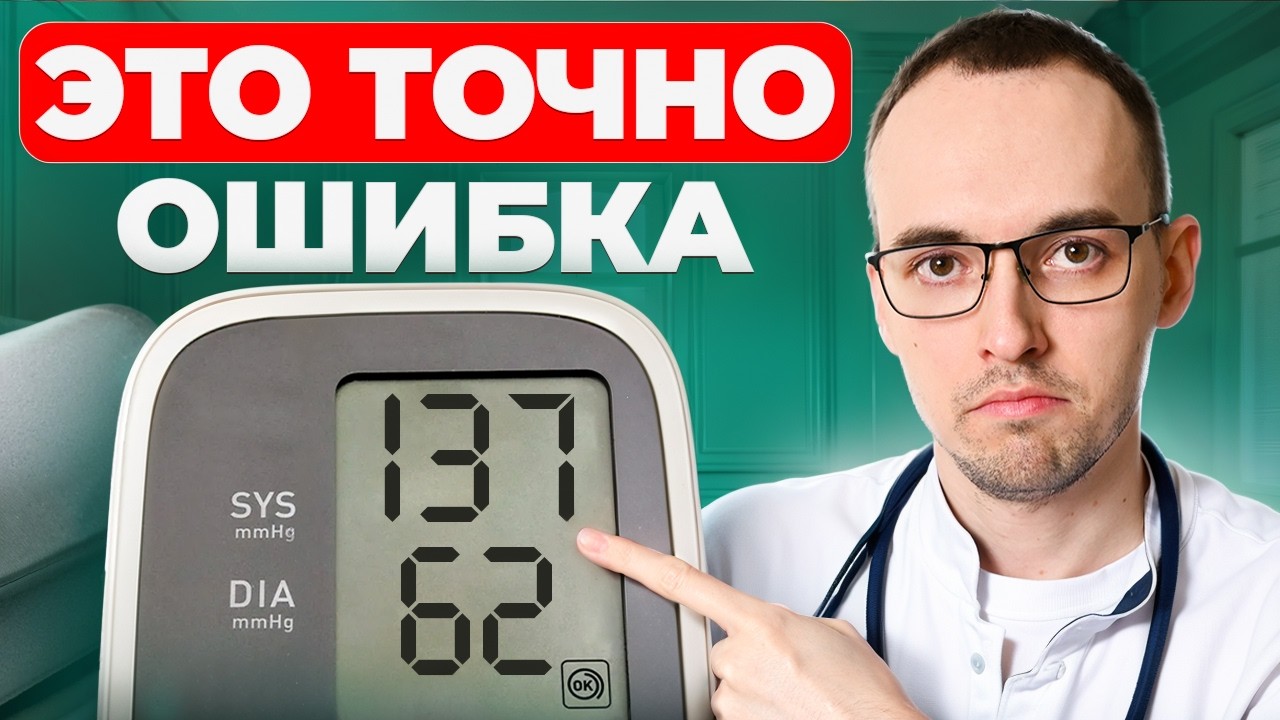
Does Leg Crossing REALLY Elevate Blood Pressure?
Автор: Rob Orman, MD
Загружено: 2024-11-18
Просмотров: 904
Описание:
The common advice to “uncross your legs” when measuring blood pressure is more than just a myth—it’s backed by science.
Multiple studies confirm that crossing the legs can transiently raise systolic blood pressure by 3 to 10 mmHg, with the effect being more pronounced in individuals with hypertension. This increase can potentially impact diagnostic accuracy. Blood pressure typically returns to baseline about 2–3 minutes after uncrossing the legs.
Two main theories explain this phenomenon:
1️⃣ Blood volume shift: Crossing the legs moves blood from the legs to the chest, increasing stroke volume and cardiac output.
2️⃣ Isometric muscle contraction: The muscular effort involved may elevate peripheral vascular resistance, further raising blood pressure.
So, while talking, caffeine, and noise can also skew readings, the “leg-crossing effect” is real. Myth NOT busted.
References:
Pinar R, Ataalkin S, Watson R. The effect of crossing legs on blood pressure in hypertensive patients. J Clin Nurs. 2010;19(9-10):1284-8. PMID:20500337.
van Groningen LF, et al. Which physiological mechanism is responsible for the increase in blood pressure during leg crossing? J Hypertens. 2008;26(3):433-7. PMID: 18300852.
Pickering TG, et al. Recommendations for blood pressure measurement in humans: an AHA scientific statement. J Clin Hypertens (Greenwich). 2005;7(2):102-9. PMID: 15722655.
Повторяем попытку...

Доступные форматы для скачивания:
Скачать видео
-
Информация по загрузке: