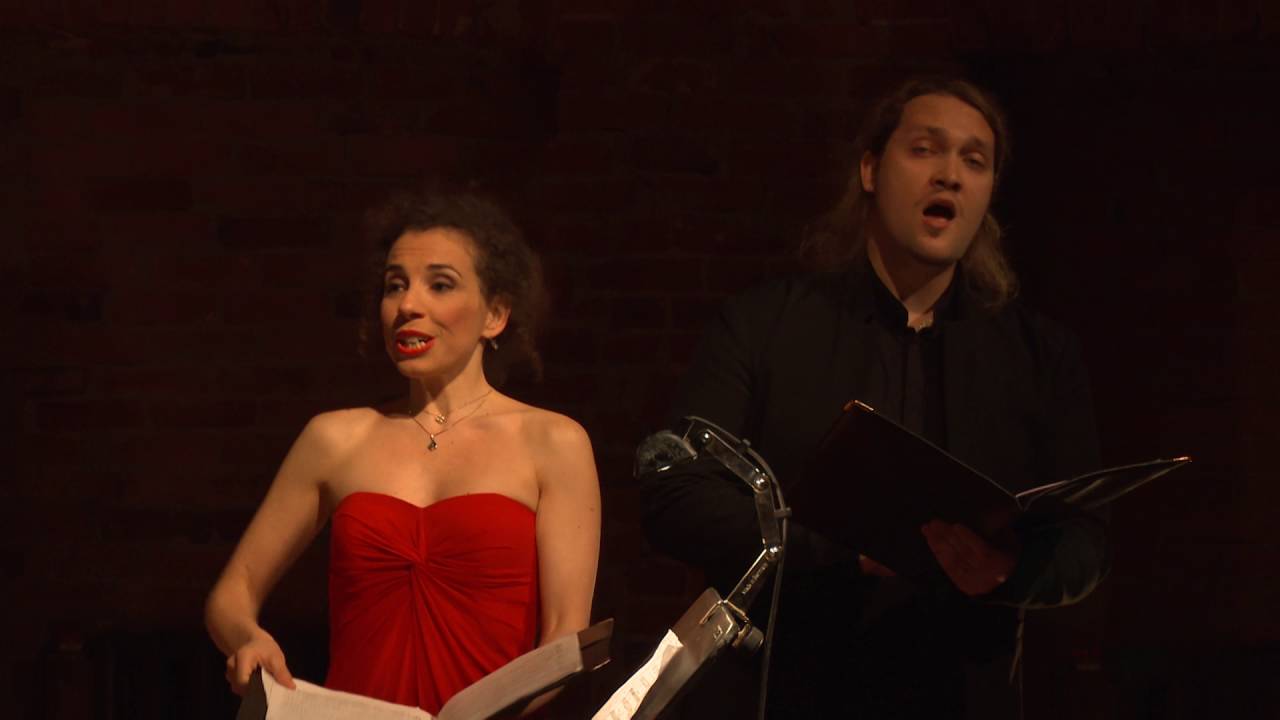
Jacob Obrecht - Missa Malheur me bat
Автор: Un petit abreuvoir
Загружено: 2023-06-13
Просмотров: 7946
Описание:
Sounds a minor third lower than score
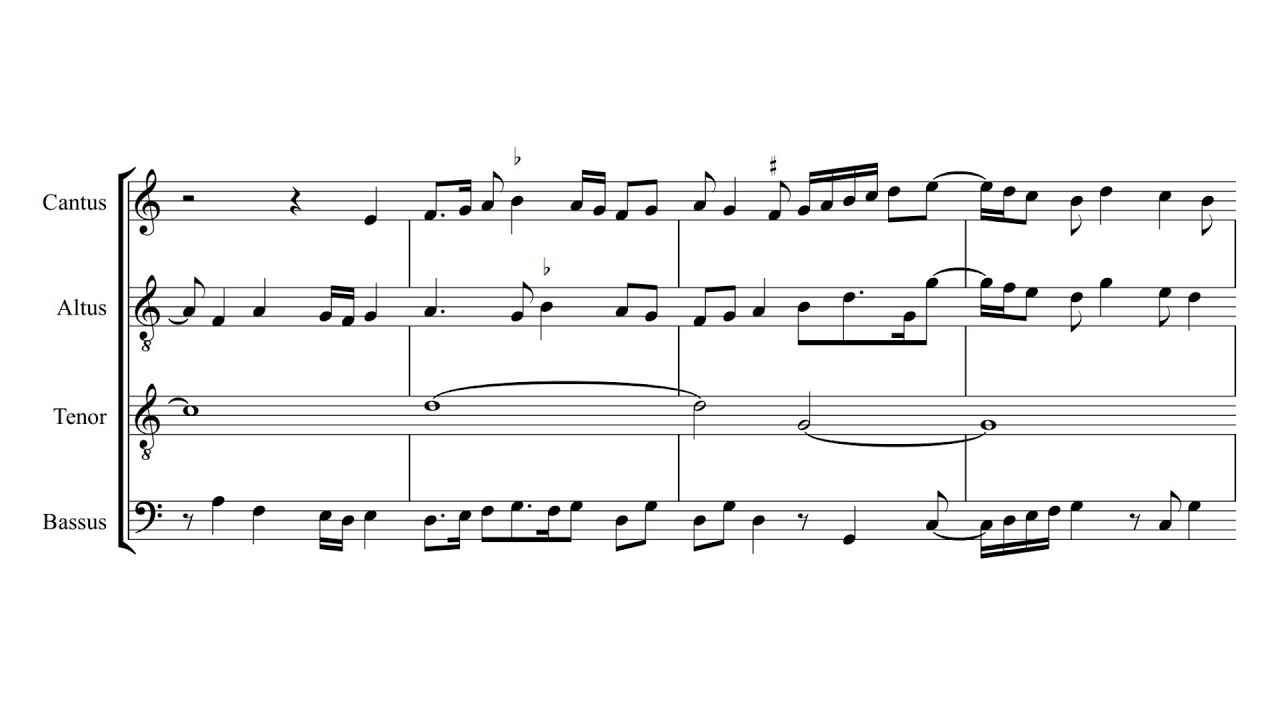
Missa Malheur me bat
Composer: Jacob Obrecht (ca. 1457/58 - 1505)
Performers: A:N:S Chorus, dir. János Bali
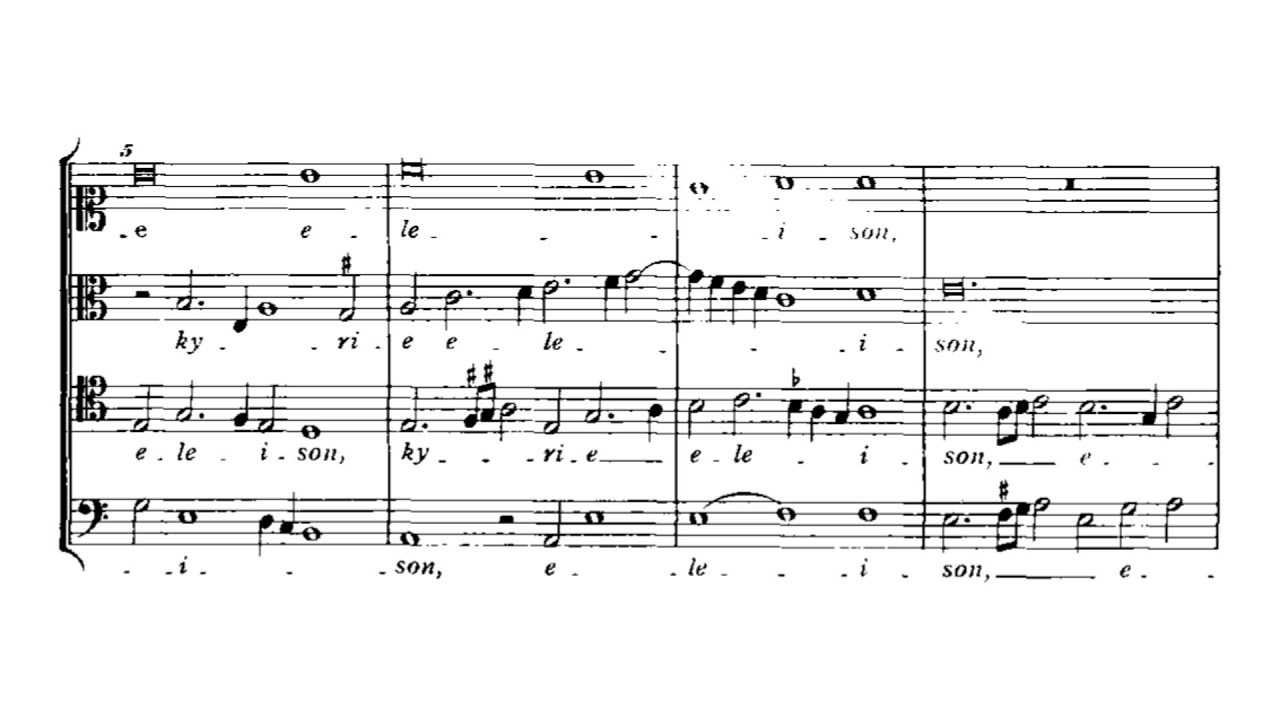
0:00 Kyrie
3:07 Gloria
8:54 Credo
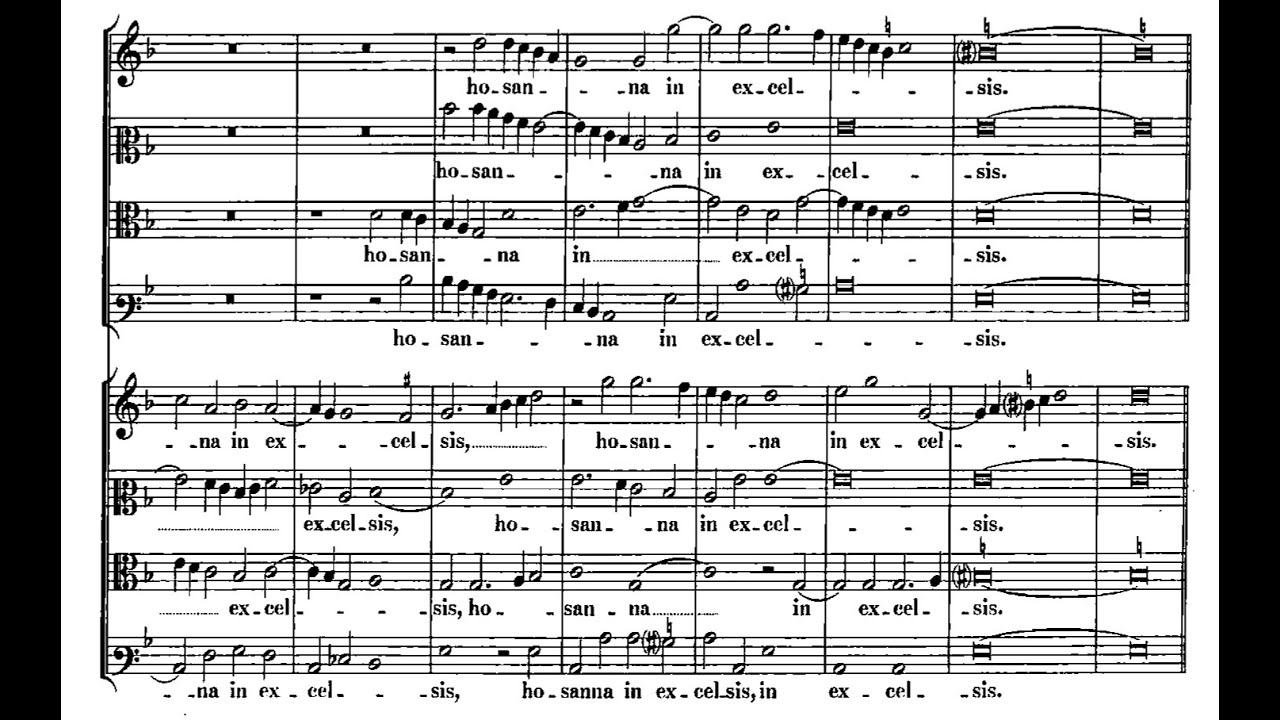
16:12 Sanctus
21:43 Agnus Dei
_________________________________________________
"In Missa Malheur me bat Obrecht makes use of the so-called segmentation technique: the top voice of the three-part song Malheur me bat (probably by his erstwhile colleague Maelcourt) is split up into a number of segments, each of which is allotted to a single Mass section. Within every section, the particular segment is stated several times in the top voice, usually with periods of rest in between. In the larger movements, the first statement may be stretched out to up to six times its original duration, but the proportion is then successively reduced in the repeats, until the final statement concludes the section in original note-values. The very last section (Agnus Dei III) is outside this segmentation scheme: it presents the entire cantus firmus, as a kind of summation.
It is comparatively easy to hear this predetermined structure: all one needs to do is to follow the top voice. Yet it is equally easy to be 'distracted' from it, since the segments are embedded in a musical argument that seems calculated to create the impression of having a logic of its own. Indeed, if one listens to the bass rather than the top voice, one may easily understand why scholars have so often stressed the sense of harmonic direction and tonal planning that seem to characterise Obrecht's music, for the writing is nothing if not purposeful and directed. (A fine example of Obrechtian musical humour awaits those who concentrate on the bass in the final Agnus Dei.) But most impressive of all is the superbly controlled pacing of the Mass, the seemingly effortless manner in which Obrecht negotiates between moments of the most exquisite sonority (as at `Suscipe deprecationem nostram' in the Gloria) and the most forceful drive to the cadence (as at 'In gloria Dei Patris' in the same movement - a passage based on the same segment). And much of the delight of listening to this work comes from marvelling time and again how the thread of a segment can run its predetermined course seemingly innocently through the most glorious passages (as at 'Et ascendit in celum' in the Credo), as if it had nothing to do with their invention, and fitted in purely as an afterthought."
~ Rob C. Wegman
_________________________________________________
For education, promotion and entertainment purposes only. If you have any copyrights issue, please write to unpetitabreuvoir(at)gmail.com and I will delete this video.
Повторяем попытку...
Доступные форматы для скачивания:
Скачать видео
-
Информация по загрузке:


![[Score-Video] Liszt - Arbeiterchor S.82](https://imager.clipsaver.ru/bAmMwBK55Ho/max.jpg)






![Elliott Carter - Piano Concerto (1964-65) [2 interpretations]](https://imager.clipsaver.ru/2Wpxw_40EYg/max.jpg)