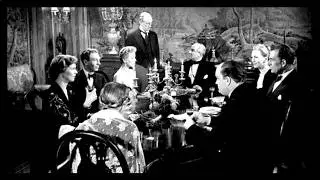
Alfred Hitchcock Explained: Authenticity, Suspense, and the Art of Cinematic Absurdity
Автор: Let in Cinema
Загружено: 2026-01-27
Просмотров: 23
Описание:
Alfred Hitchcock was never just a storyteller — he was a cinematic engineer, carefully designing every frame to control what the audience sees, feels, and fears.
In this video essay, we break down Hitchcock’s filmmaking philosophy through three of his most revealing works:
The Wrong Man (1956), Vertigo (1958), and North by Northwest (1959).
Rather than chasing realism for its own sake, Hitchcock constantly balanced authenticity with dramatic license, often abandoning factual accuracy when it interfered with emotional impact. Through subjective camerawork, visual metaphors, and deliberate absurdity, he reshaped how suspense works on screen.
🎥 What this video explores:
Why Hitchcock preferred suspense over surprise
How Vertigo redefines psychological storytelling and obsession
The dangers of excessive realism in The Wrong Man
Why the cornfield scene in North by Northwest is pure cinematic abstraction
The invention and purpose of the famous dolly-zoom
Hitchcock’s belief in planned incongruity and visual storytelling
How time, space, and audience knowledge are manipulated for emotional control
From documentary realism to erotic obsession and finally to the fantasy of the absurd, this video reveals how Hitchcock’s greatest films weren’t about logic — they were about control.
If you love classic cinema, modern thrillers, or deep film analysis, this breakdown will change how you watch movies forever.
🎞️ Subscribe for more cinematic deep dives, film philosophy, and director studies.
#AlfredHitchcock #FilmAnalysis #VideoEssay #ClassicCinema #Vertigo #NorthByNorthwest #SuspenseCinema #Filmmaking #Directing
Повторяем попытку...
Доступные форматы для скачивания:
Скачать видео
-
Информация по загрузке: