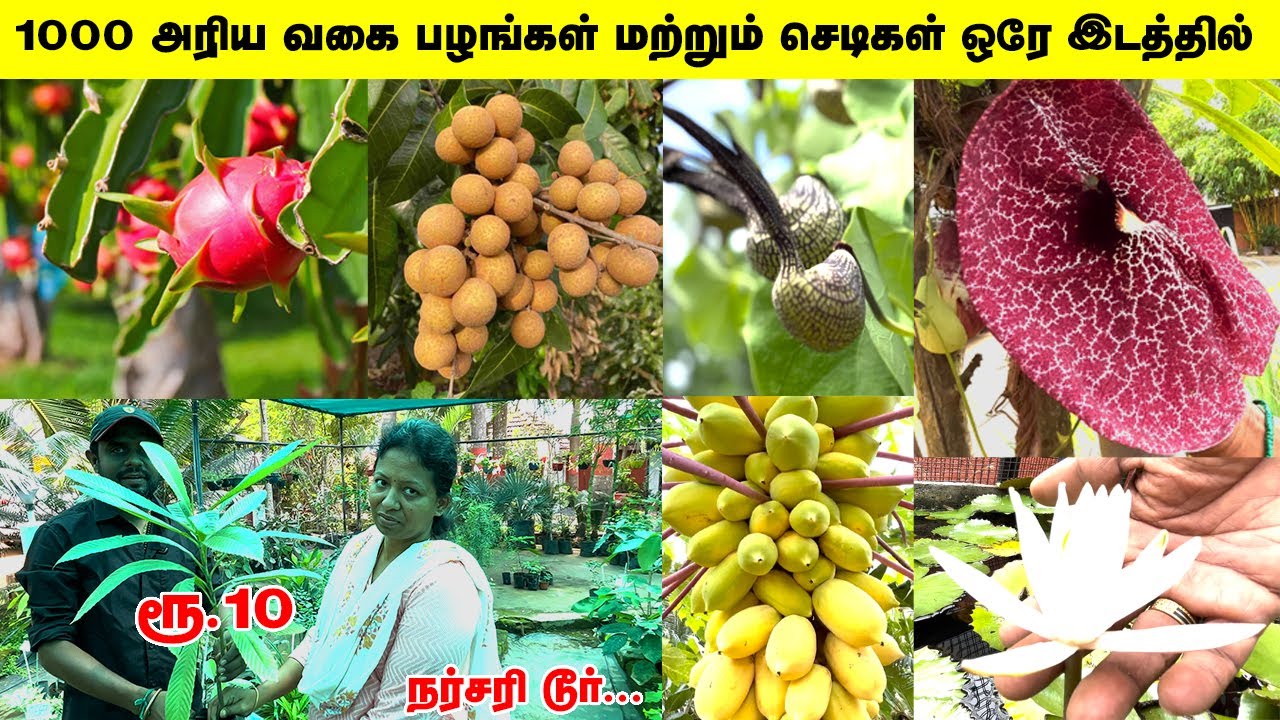
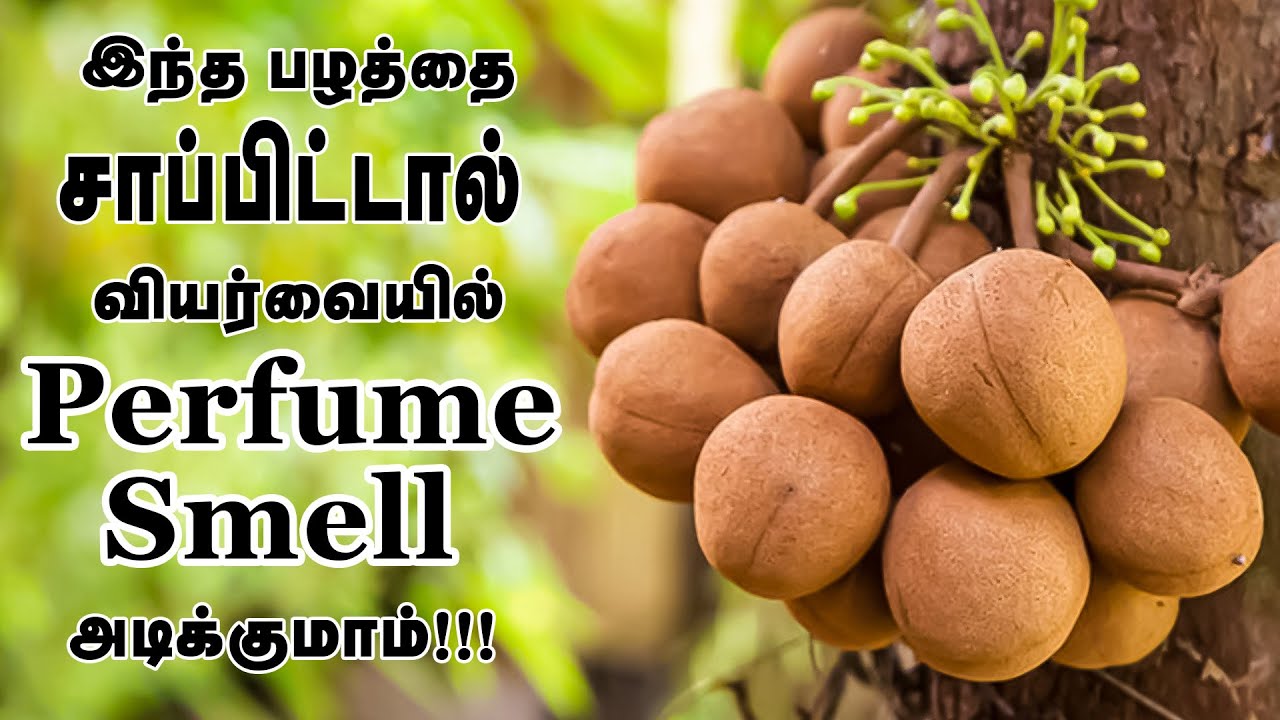
The Perfume Fruit | Kepel Fruit | பெண்கள் அழகின் ரகசியம் இந்த பழம் !!! | Veliyath Garden | Episode 2
Автор: TN 58 Creations
Загружено: 2021-01-07
Просмотров: 135288
Описание:
Sound Credits : Kerala no copyrights Music
Veliyath gardens
Manjapetty, near jangar ferry
Perumbavoor
Pin 683105
Kerala
Contact: 9544280007 , 9895950525
we have a farm with Exotic and Rare fruit trees. For farm visits or saplings, contact 9544280007.Aluva to perumbavoor ksrtc road .Manjapetty..Near Manjappetty ferry..
Sreekumar menon.
Stelechocarpus burahol, known as the burahol, kepel, kepel fruit, keppel fruit, or kepel apple, is an annonaceous plant from the humid evergreen forests of Southeast Asia, known for producing an edible fruit. The fruit is grown only in central Java, Indonesia.
The plant is an evergreen, with stiff, elliptical, glossy leaves.
The fruits of S. burahol grow on the lower part of the trunk, on the larger branches. They have a spicy flavor akin to that of the mango. They are greenish-yellow and oval, 3–4 centimetres (1.2–1.6 in) long. The new growth is bright pink or burgundy,[3] known for producing an edible fruit.
One can propagate S. burahol from the seeds of ripe fruit.[citation needed]
The fruit of this species has traditionally been known in Java to have value as an oral deodorant. Out of the pulp, seed and peel, the peel has the best adsorbent ability. A 2012 study showed that it reduced the odor of feces by activating the probiotic bacteria Bifidobacterium bifidum.[citation needed] Stelechocarpus burahol is also an antihyperuricemic, and has traditionally been used to treat gout.[6]
This fruit is an identity flora of Daerah Istimewa Jogjakarta. Stelechocarpus burahol was loved by Javanese princesses because it was a symbol of unity and mental and physical integrity. Because it functioned as a deodorant, many common people did not have this tree planted because they believed they would get cursed. That made this tree rare.[citation needed]
This fruit was also believed to be used by Javanese princesses as contraception. The fruit is believed to have the function of preventing kidney inflammation. The wood can be made into house tools, the leaves used to lower cholesterol.[citation needed]
This rare fruit can be found at Keraton Jogjakarta area, Taman Mini Indonesia Indah, Taman Kiai Langgeng Magelang and Kebun Raya Bogor
Description/Taste
Mahkota Dewa fruits are small to medium and oblong in shape, averaging 3-5 centimeters in diameter. The semi-smooth outer skin has small grooves running the length of the fruit and is green when unripe and a vibrant red when mature. The inner flesh is white, fibrous, and watery and contains one to two brown poisonous seeds. Mahkota Dewa cannot be consumed raw, but when processed, it has a slightly sweet flavor.
Seasons/Availability
Mahkota Dewa is available year-round.
Current Facts
Mahkota Dewa, botanically classified as Phaleria macrocarpa, is a prolific evergreen tree that bears fruit and is indigenous to Indonesia. Also known as God’s Crown, Pau, Makuto Rojo, Makutadewa, Makuto Mewo, Makuto Queen, and Crown of Gods, Mahkota Dewa is known around the world as a healing ingredient that is full of antioxidants. Mahkota Dewa is typically found in home gardens and is used in traditional medicine and as an ornamental plant.
Nutritional Value
Mahkota Dewa fruit contains healing ingredients such as antihistamines, polyphenol compounds, saponins, and alkaloids.
Applications
Mahkota Dewa is poisonous and cannot be consumed raw. It is best suited for cooked applications such as boiling or shredded and dried for use in teas and coffees. One of the most popular methods of preparation is to slice the pulp, sun dry, and add to boiling water. Once the fruit is cooked, strain the pulp from the mixture and consume the hot water as a drink. Mahkota Dewa can also be used dried in a tea form and mixed into coffee sachets. Mahkota Dewa will last for a couple of days fresh when stored in a cool and dry place or the refrigerator if available. Dried Mahkota Dewa pieces will last for months in a sealed container.
Ethnic/Cultural Info
Mahkota Dewa fruit has been used in traditional medicine across the world for thousands of years. It is well known in traditional Chinese medicine as an anti-inflammatory, anti-fungal, anti-oxidant, and anti-bacterial. It is widely believed that used in tea, Mahkota Dewa fruit can help reduce symptoms of many health issues and diseases and is still widely used today as a form of alternative medicine.
Geography/History
The origins of Mahkota Dewa are relatively unknown, but it is believed to be native to the island of Papua, formerly known as Irian Jaya. Today, Mahkota Dewa is commonly grown in Asia and can be found at local markets and specialty retailers in New Guinea, China, Taiwan, Indonesia, and Malaysia.
Follow Us
Subscribe us : https://bit.ly/2PRO6Js
FaceBook : https://bit.ly/2pZxGER
Instagram : https://bit.ly/33hnFkB
Twitter : https://bit.ly/31ZEjVG
Повторяем попытку...
Доступные форматы для скачивания:
Скачать видео
-
Информация по загрузке: