Inside Fletcher Jones: How Australia’s Fashion Empire Was Built and Lost
Автор: Australia’s Industrial History
Загружено: 2026-03-12
Просмотров: 18
Описание:
Inside Fletcher Jones: How Australia's Fashion Empire Was Built and Lost
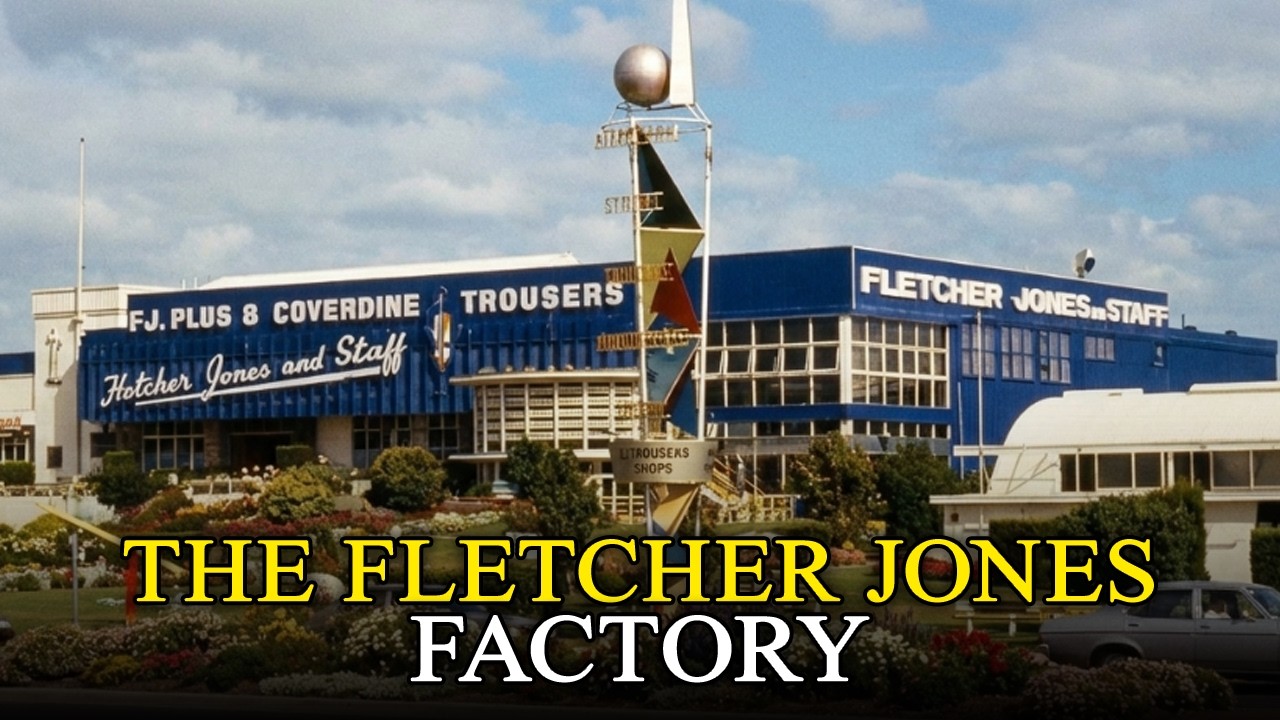
In the heart of Warrnambool, Victoria, there once stood a utopia—the legendary "Pleasant Hill" factory where Sir Fletcher Jones built Australia's most famous clothing brand on a revolutionary principle: the factory was owned by the workers themselves, a progressive socialist-capitalist hybrid that proved Aussie workers could own their own means of production and thrive. Fletcher Jones wasn't merely a clothing manufacturer; it was a worker's paradise featuring perfectly manicured gardens, state-of-the-art facilities, and the iconic "Silver Ball" water tower that every Aussie boomer remembers driving past—a factory so beautiful it became a literal tourist attraction. For decades, if an Australian man needed a high-quality suit or trousers, he wore Fletcher Jones, knowing every stitch was made by worker-owners who took pride in their craft because they shared in the profits and the company's success.
But in the 1990s, the government destroyed it all. Tariff cuts allowed cheap Asian textiles to flood the Australian market, undercutting Fletcher Jones at every turn. The worker-owners—people who'd built their lives around their factory, who'd invested everything in their own company—couldn't compete with sweatshop labour earning pennies. They were forced to sell their shares, watching helplessly as their utopia was gutted by corporate owners who cared only about extracting value, not preserving the worker-ownership model that made Fletcher Jones special. The legendary Pleasant Hill factory was abandoned, left to decay.
Today, the factory complex has been repurposed, the worker-ownership dream dead, the brand reduced to a nostalgic memory. The Silver Ball still stands as a monument to what once was—a worker's paradise destroyed by government policy that chose cheap imports over Australian jobs and innovative ownership models. This is the story of how tariff cuts killed Australia's fashion empire and its unique worker-owned factory, how government betrayal forced workers to sell their own company—and what that loss says about choosing globalization over the progressive industrial models that proved workers could own and run their own successful enterprises.
Повторяем попытку...
Доступные форматы для скачивания:
Скачать видео
-
Информация по загрузке: