Butyriboletus pseudoregius
Автор: The wonderful world of mycology
Загружено: 2020-10-03
Просмотров: 2998
Описание:
Butyriboletus pseudoregius
Por: Manu Merino
Español , English, Polskie
Hoy os presento un nuevo vídeo sobre esta bonita especie. Acompañada de una mariposa preciosa Aglaris io, llamada pavo real
He comenzado el video con una imágenes de San Juan de Gaztelugatxe, Bermeo y situado entre Bakio y el cabo de Matxitxako, es un islote impresionante con una ermita a la que se accede a través de 241 escaleras. Este espectacular biotipo era un lugar muy tranquilo hasta que se convirtió en Rocadrangón en Juengo de Tronos. Es un lugar que hay que visitar en Bizkaia. Las visitas están reguladas
Butyriboletus pseudoregius (Heinr. Huber) D. Arora & J.L. Frank 2014
Características:
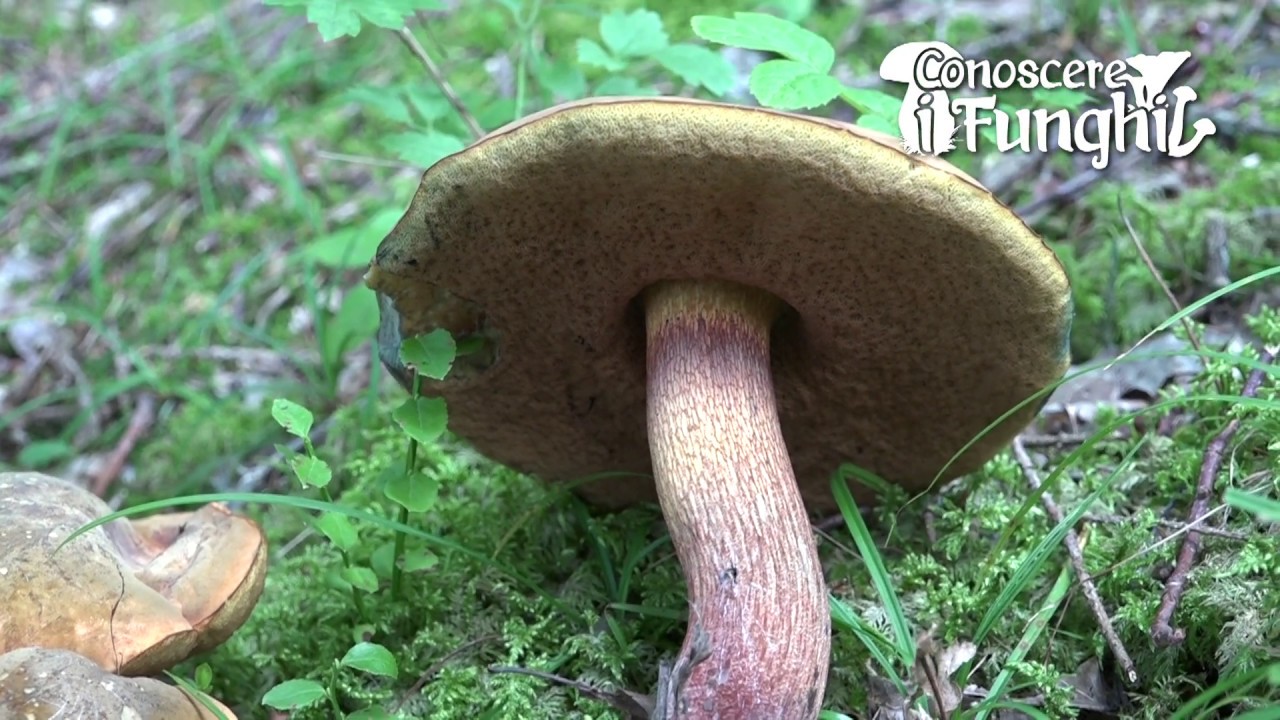
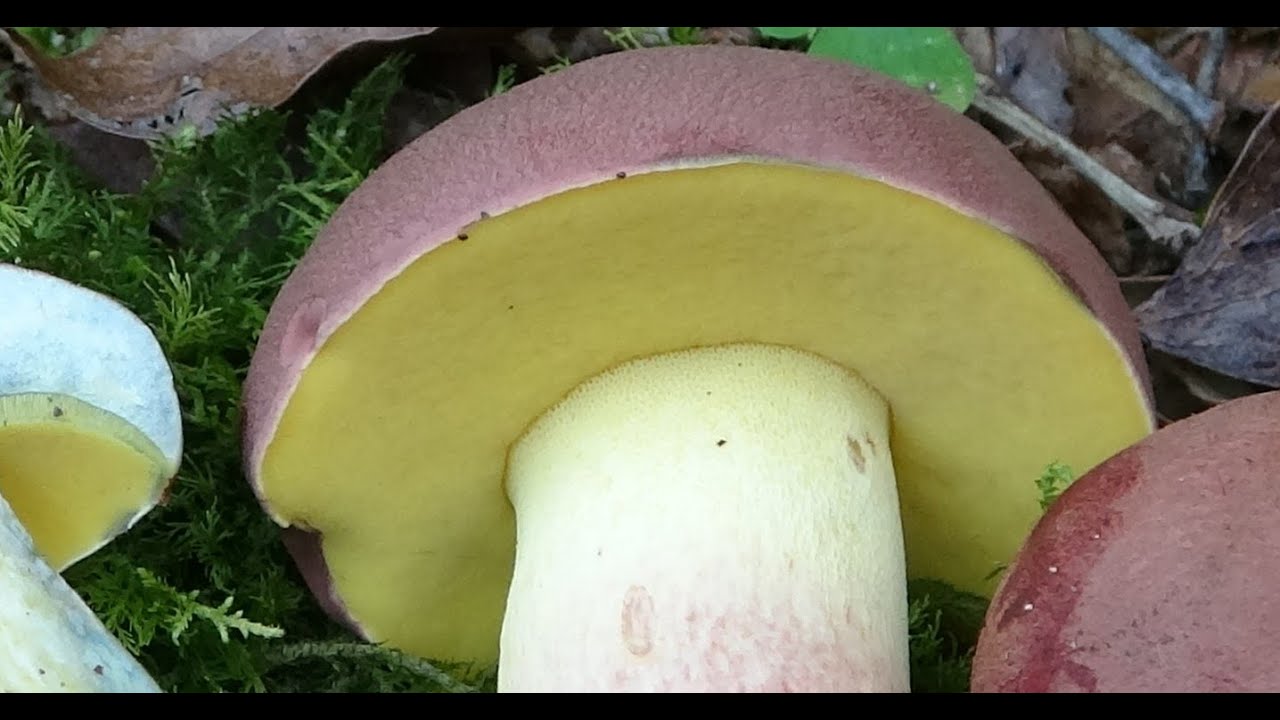
Sombrero de unos 10 a 15 cm de diámetro, al principio hemisférico y después convexo, de color marrón rojizo o rosa rojizo con muchas tonalidades. Cutícula es separable, seca y aterciopelada y debajo de ella podemos ver un color rojizo
-Tubos:Adnatos, de jóvenes de color amarillo y después amarillo oliva, azulean a la presión y al corte
Poros, de color amarillo vivo, sobre todo de jóvenes, y azulean a la presión
Pie: Robusto y engrosado en la parte central cuando es joven, cilíndrico de color amarillo en la parte superior y rojizo en el resto. La superficie presenta una retícula amarilla en la parte superior. azulea a la presión rápidamente.
Carne consistente de color amarillo. Al corte, en el sombrero azulea, y en la base del pie aparece un color rosáceo
El hábitat: en bosques de caducifolios, en nuestro caso en roble Quercus rubra
Época: verano y otoño
-Comestibilidad: buen comestible, pero es mejor dejarlos en su hábitat, no hay muchos
Confusiones de esta especie en nuestra área
B. regius sombrero más rosa y pie amarillo
B. Spadiceus con sombrero muy parecido, no presenta retícula en el pie, y poros más grandes
B.rubellus con un sombrero muy rojizo y pie más débil sin retícula.
English
Today I present a new video about this beautiful species. Accompanied by a beautiful butterfly called peacock (Aglais io)
I have started the video with an image at San Juan de Gaztelugatxe, Bermeo, Basque Country and located between Bakio and Cape Matxitxako, an impressive islet with a hermitage that is accessed through 241 stairs. This spectacular biotype was a very quiet place until it became Rocadrangón in Game of Thrones. It is a place that must be visited in Bizkaia. Visits are regulated
Butyriboletus pseudoregius (Heinr. Huber) D. Arora & J.L. Frank 2014
Features:
-Cap about 10 to 15 cm in diameter, at first hemispherical and then convex, reddish-brown or reddish-pink with many shades. Cuticle is separable, dry and velvety and under it we can see a reddish color
-Tubes: Adnate, young yellow and later olive yellow, blue when pressed and cut
Pores, bright yellow in color, especially when young, and blue under pressure
Stem: Robust and thickened in the central part when young, cylindrical with yellow color in the upper part and reddish in the rest. The surface has a yellow grid at the top. Tile pressure quickly.
Flesh: Consistent yellow flesh. When cut, the cap is blue, and a pinkish color appears at the base of the foot.
The habitat: in deciduous forests, in our case in Quercus rubra oak
Season Appears in summer and autumn
Edibility: It is good edible
Confusions of this species in our area
B. regius more pink hat and yellow foot
B. Spadiceus with a very similar hat, no reticule on the foot, and larger pores
B.rubellus with a very reddish cap and weaker foot without reticule
Polskie
Dziś przedstawiam wam nowy film o tym pięknym gatunku. W towarzystwie pięknego motyla Aglaris io, zwanego pawiem
Film zacząłem w San Juan de Gaztelugatxe, Bermeo, Kraju Basków, który znajduje się między Bakio i Cabo Matxitxako, jest to imponująca wysepka z pustelnią, na którą prowadzi 241 schodów. Ten spektakularny biotyp był bardzo spokojnym miejscem, dopóki nie stał się Rocadranón w Game of Thrones. To trzeba zobaczyć w Bizkaia. Wizyty są regulowane
Funkcje:
Czapka o średnicy około 10-15 cm, początkowo półkulista, następnie wypukła, czerwonawo brązowa lub czerwonawo różowa z wieloma odcieniami. Skóra jest sucha i aksamitna, z czerwonawym kolorem pod spodem.
-Rurki: młode żółte, następnie oliwkowo-żółte, niebieskie po tłoczeniu i cięciu
Żółte pory, szczególnie młode i niebieskie pod naciskiem.
Łapa: W młodości mocna i pogrubiona w środku, cylindryczna z żółtą na wierzchu i czerwonawą na pozostałej części. Na wierzchu znajduje się żółta siatka.
Konsekwentny żółty caene. Po przycięciu czapka jest niebieska, a u podstawy stopy pojawia się różowy kolor.
Siedlisko: w lasach liściastych, w naszym przypadku dąb Quercus rubra
Sezon występuje latem i jesienią.
Jadalność: jest dobrze jadalna.
Zamieszanie tego gatunku na naszym terenie
B. regius plus różowy kapelusz i żółta stopa
B. Spadiceus z bardzo podobną czapką, bez siatki na stopie i większymi porami
B. rubellus z bardzo czerwonawą czapką i słabszą stopą bez siatki
Повторяем попытку...
Доступные форматы для скачивания:
Скачать видео
-
Информация по загрузке: