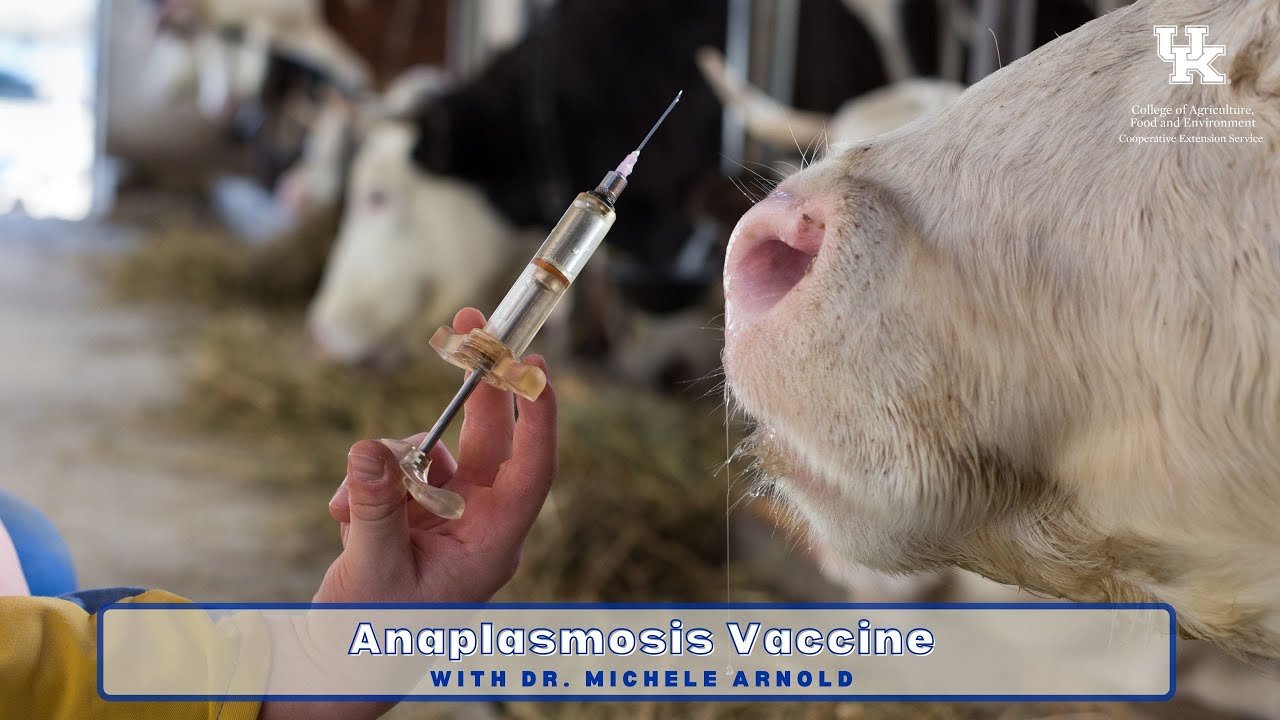
Anaplasmosis Vaccine
Автор: Warren County Agriculture
Загружено: 2024-10-29
Просмотров: 407
Описание:
Host: Joanna Coles, Warren County Extension Agent for Agriculture & Natural Resources
Guest: Dr. Michele Arnold, UK Extension Ruminant Veterinarian
Topic: Anaplasmosis Vaccine
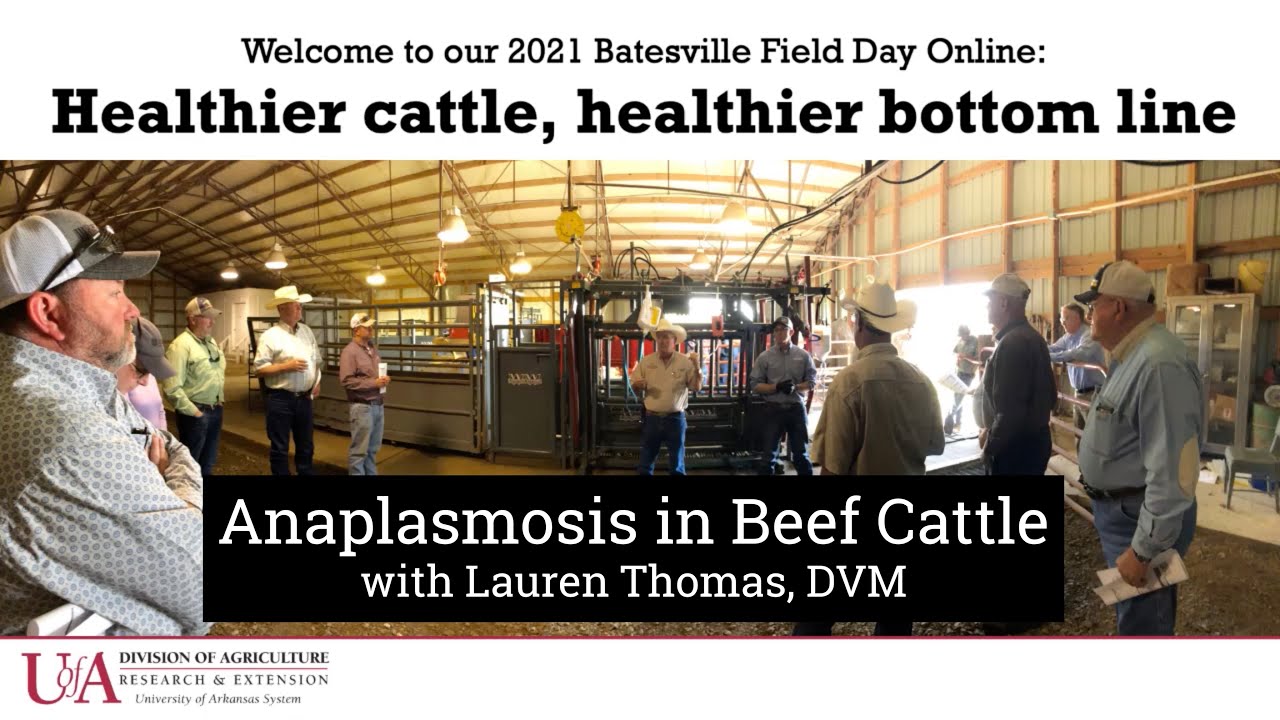
Anaplasmosis is a disease caused by Anaplasma marginale, a bacterial organism that invades cattle red blood cells and causes severe anemia, often resulting in death. In Kentucky, the disease affects adult cattle, typically in the fall of the year with most cases occurring from late September through the first 1-2 weeks of November. Once 40-50% of red blood cells are destroyed, infected cattle will show signs of weakness, lagging behind the herd, staggering, rapid breathing and sometimes foaming from the mouth. Affected cattle quit eating, have a fever and may appear to rapidly lose weight. Most become very aggressive due to lack of oxygen to the brain. Mucous membranes will appear pale early in the course of disease and progressively turn yellow in color due to jaundice. Death can be sudden, especially with exercise, or cattle may be found dead with no prior symptoms. Those that survive will remain carriers for life.
Anaplasmosis is considered a “tick-borne” disease because ticks can spread the organism through feeding on cattle. Although ticks are important for this organism to survive and spread, transmission can be by any method that moves affected red blood cells from infected to susceptible cattle (hypodermic needles, biting insects). Kentucky is among the list of states approved by the USDA for sale of the anaplasmosis vaccine marketed by University Products LLC of Baton Rouge, LA Vaccination should keep animals from experiencing sickness and death but does not prevent infection and still allows development of the carrier state.
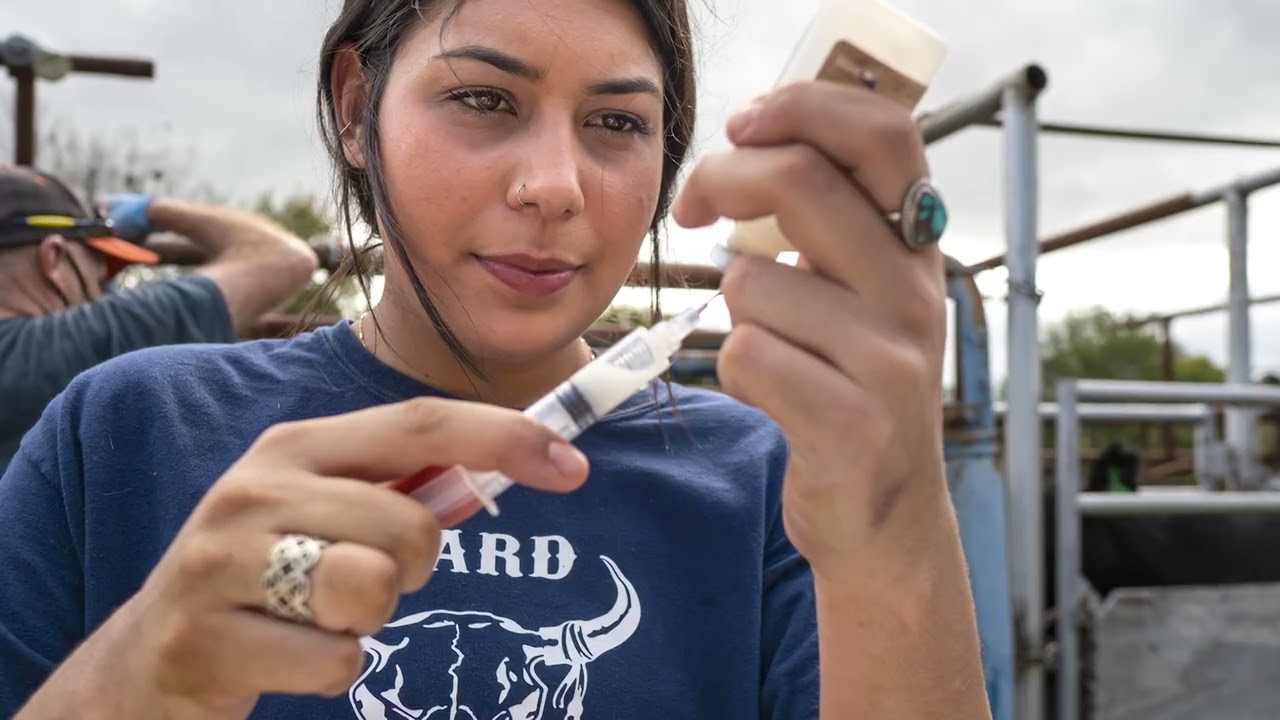
The vaccine can be used during an outbreak and has been used in cows in all stages of pregnancy with no problems being reported. Two-dose regimen given 4 weeks apart with annual re-vaccination required. Immunity should develop within 7-10 days of the 2nd dose according to the manufacturer. Vaccination should ideally begin with yearlings Downside: Vaccinated animals will test positive for antibodies to anaplasmosis ($8-$10 per dose); it does not prevent anaplasmosis infection, but it greatly reduces the risk the infected animal will get sick and die. To reduce the cost, if willing to draw blood and submit for anaplasmosis testing, the vaccine can then be targeted for use in only the individuals who test negative for antibodies. Animals that test positive will not need vaccination nor CTC therapy. Learn more about the vaccine here: http://www.anaplasmosis.com/home.html
Повторяем попытку...
Доступные форматы для скачивания:
Скачать видео
-
Информация по загрузке: