How to Find Gold: Old Methods VS New Old Timers VS Gen X
Автор: Aurum Meum AI Academy
Загружено: 2024-10-09
Просмотров: 604
Описание:
During the Gold Rush of the 19th century, miners used relatively primitive methods to extract gold from the ore they found. Their primary techniques included panning, sluicing, and simple crushing, which were effective at recovering gold from shallow deposits or placer gold in riverbeds. However, these methods were not designed to extract gold from complex ore bodies, where the gold was locked within rock or mineral structures.
Old Gold Rush Techniques:
1. Panning: Miners would swirl water and dirt in a shallow pan, allowing the heavier gold particles to settle at the bottom. This method worked well in streambeds where loose gold nuggets or flakes had already separated from the rock.
2. Sluicing: A more advanced technique than panning, sluices used a channel with riffles to trap gold as water flowed through. While more efficient than panning, sluicing still relied on gravity to capture free gold particles, missing much of the finer material.
3. Stamp Mills and Arrastras: Hard rock miners used stamp mills or arrastras to crush the ore. These methods were crude and often left a lot of gold behind, as they couldn’t break the ore down finely enough to release all the gold.
4. Mercury Amalgamation: Some miners used mercury to amalgamate with gold, making it easier to extract from the rock. While effective, this process was highly toxic and still couldn’t fully separate gold from more complex ores.
Why We Can Recover More Gold Today
Modern mining technology has advanced significantly since those early days, allowing us to extract gold from areas that old-timers thought were exhausted. Our modern beneficiation methods include:
1. Gravity Concentration: Modern gravity concentration techniques like centrifugal concentrators or jigs can recover finer particles of gold that older methods would have missed. These machines separate gold more efficiently by spinning materials at high speed to enhance the effects of gravity.
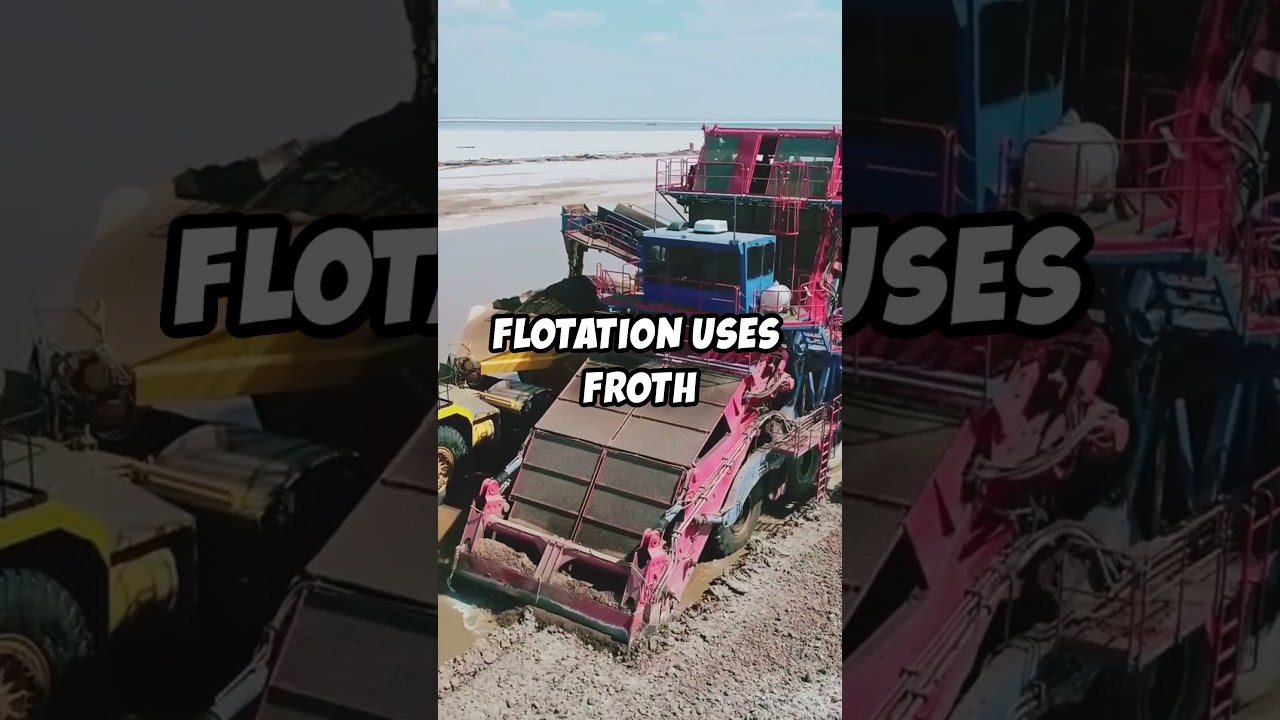
2. Flotation: This process involves adding chemicals to the crushed ore to create a froth that selectively binds to gold particles, lifting them away from other minerals. This technique is particularly useful for extracting gold from sulfide ores, which were often ignored or discarded by 19th-century miners.
3. Cyanide Leaching: Though controversial due to environmental concerns, cyanide leaching is highly effective in extracting gold from even the most complex ore bodies. This chemical process can recover gold that was too fine to be captured by traditional methods.
4. Heap Leaching: In water-scarce regions like Arizona, heap leaching offers a way to extract gold from lower-grade ores without using large amounts of water. This method uses a leaching solution that trickles down through a pile of crushed ore, dissolving the gold, which can then be collected from the solution.
Why There’s Still Gold Left to Find
Miners of the Gold Rush era were limited by their technology and often abandoned areas once they could no longer see visible gold in the pan or sluice. They couldn’t process fine gold or refractory ores effectively, meaning significant amounts of gold were left behind. Today, we can revisit these same sites with advanced methods and recover gold that they never could.
Modern Day Opportunity
Thanks to these modern techniques, locations where Gold Rush miners once extracted visible gold still hold vast quantities of recoverable gold in the ground. Our ability to process complex ore bodies and use advanced chemical extraction techniques means that today’s gold prospectors can often find more gold in these areas than the old-timers ever did.
So, while the Gold Rush miners paved the way, modern prospectors have the tools to dig even deeper and recover the hidden wealth left behind. Today’s technology allows us to work smarter, not harder, turning what was once impossible into a golden opportunity.
For a custom gold map contact [email protected]
Повторяем попытку...
Доступные форматы для скачивания:
Скачать видео
-
Информация по загрузке: