The Hidden Cost of Always Being Strong : Deep Psychology
Автор: Quit Physchology
Загружено: 2026-02-28
Просмотров: 12
Описание:
There is a kind of strength that looks admirable…
but slowly becomes a cage.
You are dependable. Reliable. Unshakeable.
The one who handles everything.
The one who never falls apart.
The one who is always “fine.”
But what happens when strength becomes emotional suppression?
When resilience turns into isolation?
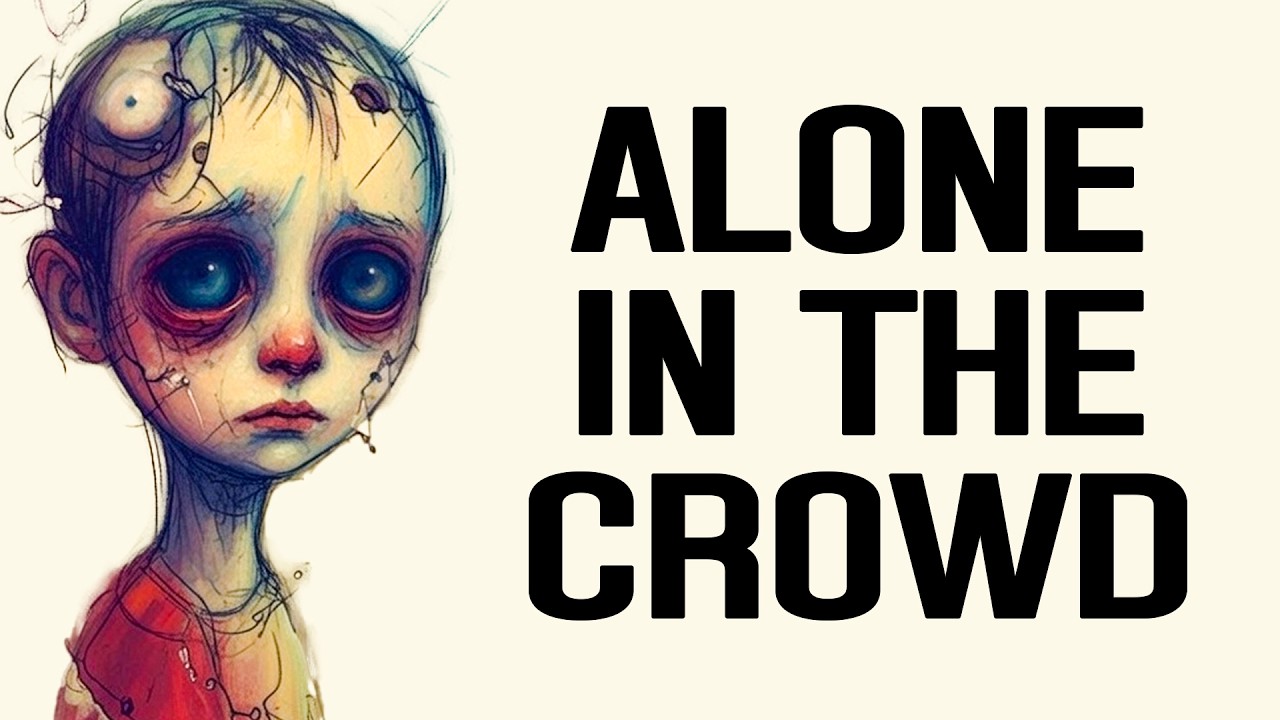
When invulnerability becomes loneliness?
00:00 — When strength becomes a cage
01:41 — Chapter 1: Recognition (emotional beginning)
05:03 — Chapter 2: Root cause (origins)
08:40 — Chapter 3: Scientific psychological explanation
12:58 — Chapter 4: Inner conflict & resistance
16:10 — Chapter 5: The turning point
18:44 — Chapter 6: Healing & integration
21:45 — Chapter 7: Poetic reflection
In this deep psychology documentary, we explore:
• Why some people learn to be “unbreakable”
• The childhood roots of chronic strength
• Emotional suppression and the nervous system
• The neuroscience of burnout and collapse
• Why vulnerability feels dangerous
• The hidden anger and exhaustion beneath resilience
• The turning point: when strength stops working
• How to integrate strength with softness
• What real strength actually looks like
This is not about becoming weak.
It’s about becoming whole.
If you’ve ever felt exhausted from being the strong one…
this video is for you.
Comment: Who taught you that you had to be strong all the time?
Like & Subscribe for weekly deep psychology documentaries.
Disclaimer: This channel is created for educational and informational purposes only. It is not intended to replace professional psychological, medical, or therapeutic advice.
References & Further Reading (Credible + Strong)
• Gross, J. J. (1998). Emotion regulation: An integrative review. Review of General Psychology.
• Gross, J. J., & John, O. P. (2003). Individual differences in emotion regulation. Journal of Personality and Social Psychology.
• McEwen, B. S. (1998). Stress and the individual: Allostatic load. New England Journal of Medicine.
• Sapolsky, R. M. (2004). Why Zebras Don’t Get Ulcers.
• Pennebaker, J. W. (1997). Emotional disclosure and health. Psychological Science.
• Linehan, M. (2015). DBT Skills Training Manual.
• Siegel, D. J. (2012). The Developing Mind.
• van der Kolk, B. A. (2014). The Body Keeps the Score.
• Jurkovic, G. J. (1997). Lost Childhoods: The Plight of the Parentified Child.
• Cohen, S., & Wills, T. A. (1985). Stress, social support, and the buffering hypothesis.
#Psychology #MentalHealth #EmotionalSuppression #TraumaHealing #Burnout #Parentification #Resilience #Anxiety #Depression #NervousSystem #HealingJourney #SelfWorth #EmotionalHealth #DeepPsychology #PersonalGrowth
Повторяем попытку...

Доступные форматы для скачивания:
Скачать видео
-
Информация по загрузке: