How To Build Your Own Emotions Toolkit To Heal Fast
Автор: Social Shortcuts
Загружено: 2024-10-27
Просмотров: 1439
Описание:
Hey, Ryan here! I’ve been a full-time social skills coach for over 12 years, and today I want to share a powerful tip for managing emotions, which, in my opinion, is the single most important area of social skills. If you’re aiming to reduce the strength of negative emotions, like sadness, stress, or nervousness, this tip is for you.
🔗 Connect with Social Shortcuts:
🌐 Website: https://socialshortcuts.com
📧 Email for a free trial session: [email protected]
🎥 Conversation Video Course - https://social-shortcuts.teachable.co...
📱 WhatsApp Group: Join our discussions and connect with the community: https://chat.whatsapp.com/H3mLsvkNJwp...
Why Managing Negative Emotions is Important
In today’s world, there's a lot of talk about the importance of negative emotions, with people saying things like, “stress helps you get things done.” But here's the thing: stress, while it can push you, also drains your energy, impacts your immune system, and often leads to procrastination. Instead of stress, imagine tackling tasks with enthusiasm, which also gets the job done but without all the downsides. You can be motivated without feeling bad, and that’s what we’re aiming for.
The Strategy: Your “Emotions Toolkit”
So here’s the tip. Start a list on your phone (or wherever’s convenient for you) that’s easy to access whenever negative emotions come up. Call it something like “My Emotions Toolkit.” This list will hold everything you know about how to manage your emotions—strategies for boosting your mood and calming yourself down when needed.
How to Set Up Your Emotions Toolkit:
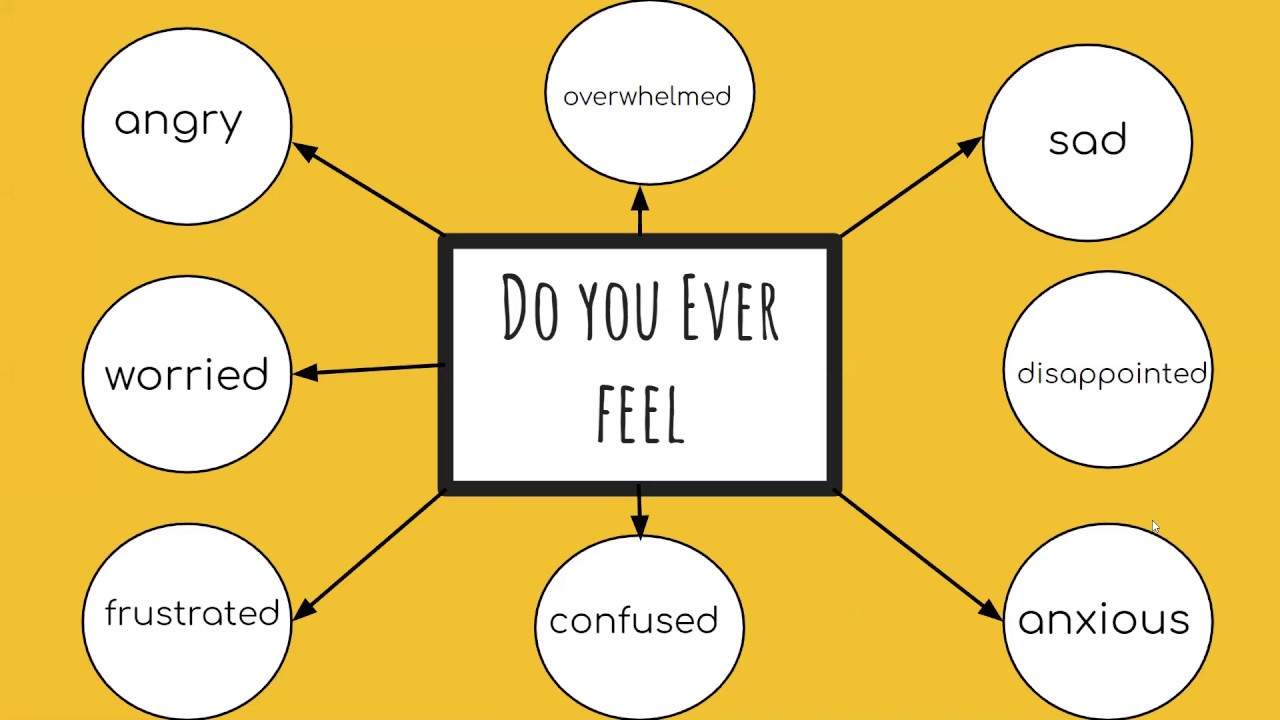
Create Categories for Different Emotions: Start with common emotions you want to address, like sadness, anger, stress, frustration, nervousness, and low motivation. Add any others that apply to you.
List Hacks and Strategies: Under each emotion, list specific things that help you. For example:
Gratitude: List things you’re grateful for, whether it’s a recent accomplishment, a funny joke, or a good meal. Focusing on gratitude can quickly improve your mood.
Perspective Shifts: Reframe a situation by focusing on a positive angle.
Include Basics You Might Forget: Sometimes, simple things like drinking water, getting sunlight, or a quick exercise can make a big difference. It’s easy to overlook these basics when you’re feeling off, so have them ready in your toolkit.
Nutrition & Supplements: Add foods or supplements that boost mood (like a piece of dark chocolate if you’re really down), but be mindful of what you use regularly.
Personalized Comforts: These are things unique to you, like watching a favorite YouTube channel, playing a certain game, listening to a playlist, or calling someone supportive. Have these personal go-tos in your list.
Constantly Update: As you learn new techniques or discover helpful things, add them to your toolkit right away. It should be a growing resource that adapts to what works best for you.
Why This Works
When negative emotions kick in, it’s harder to remember helpful strategies. With everything organized in one place, you can quickly access what you need without having to think too hard. This list minimizes the chance of forgetting effective strategies and makes it much easier to take action.
Suggested Categories for Your Toolkit:
Sadness/Low Mood: Look for strategies that increase happiness or comfort.
Stress and Frustration: Techniques to calm down or refocus.
Nervousness/Fear: Tips to boost confidence and bring calmness.
Anger: Methods to find peace or amusement to break the tension.
Low Motivation: Simple ways to spark some energy and get going.
Confidence Boosts: Quick confidence builders you can use before a social situation.
Final Thoughts
Managing emotions is key to developing social skills. Social skills aren’t just about conversation techniques—they’re about how you handle and create emotions, both yours and others’. So if you can keep yourself calm, happy, and confident, you’ll find social situations a lot easier to handle and a lot more enjoyable.
Start building your “Emotions Toolkit” and see the difference it makes in how you feel and interact with others. Let me know in the comments how it goes, or share any additional tips you’ve found helpful!
🤝 Join me on this journey of improving social skills, one video at a time! Don't forget to step outside, engage in positive interactions, and make the world a better place. Looking forward to your comments, questions, and success stories!
Повторяем попытку...

Доступные форматы для скачивания:
Скачать видео
-
Информация по загрузке: