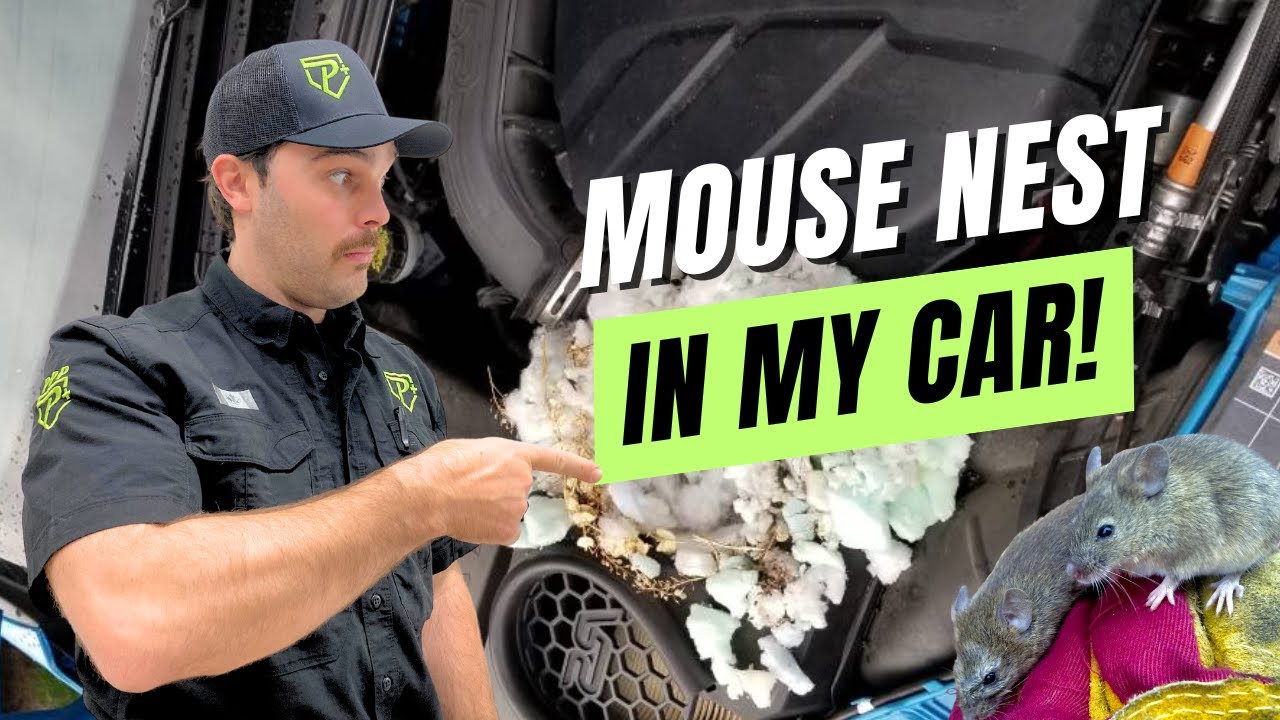
Are Mice Nesting in Your Car? How to Tell!
Автор: Pest Protection Plus
Загружено: 2024-12-09
Просмотров: 417
Описание:
Pest Protection Plus
@pestproplus
[email protected]
647-905-7366
www.pestprotectionplus.com
Mouse Nests in Cars: A Southern Ontario Problem
Pest Protection Plus explains why mice make nests inside cars, a common issue that tends to worsen in the fall and winter. As the weather turns colder, mice seek shelter in warm, secure locations, and your car's engine bay can seem like the perfect haven.
Why Cars?
Mice are attracted to the warmth and shelter that a car's engine provides. They can squeeze through tiny openings and gaps to access the engine compartment, battery area, and even the car's interior. Once inside, they build nests to stay warm and raise their young.
Common Nesting Spots
Mice often build nests in areas that provide warmth and protection, such as:
Engine Bay: The engine retains heat long after the car is turned off, making it an ideal nesting spot.
Battery Area: This area is often enclosed and provides a safe, warm space for nesting.
Air Filter: The air filter housing can offer a cozy, hidden spot for a nest.
Interior: Mice can access the car's interior through ventilation systems or small openings, building nests under seats, in the dashboard, or even in the trunk.
Signs of Mice Infestation
If you suspect mice have invaded your car, look for these telltale signs:
Droppings: Small, dark droppings around the engine bay or interior.
Nesting Materials: Shredded paper, leaves, fabric, or insulation.
Chewed Wires: Mice often gnaw on wires, which can cause electrical problems.
Unusual Smells: A musty odor or the smell of urine can indicate a mouse infestation.
Preventing Mice Infestation
Here are some tips to prevent mice from nesting in your car:
Park in a Garage: If possible, park your car in a garage or enclosed area.
Keep Your Car Clean: Regularly clean your car's interior and remove any food debris.
Seal Entry Points: Inspect your car for any gaps or openings and seal them with steel wool or caulk.
Use Repellents: Place mouse repellents, such as peppermint oil or dryer sheets, in your car's interior and engine bay.
Bait Stations and Traps: If you park your car in a garage, consider placing bait stations or traps around the perimeter to prevent mice from entering.
Dealing with an Infestation
If you discover a mouse nest in your car, it's important to address the problem promptly. Contact a pest control professional like Pest Protection Plus to safely and effectively remove the mice and prevent future infestations.
Nesting Materials
Mice are resourceful creatures and will use a variety of materials to build their nests, including:
Leaves and Sticks: These provide structure and insulation.
Cotton and Fabric: Soft materials offer comfort and warmth.
Paper and Cardboard: Easily shredded materials for nest building.
Insulation: Provides warmth and protection from the elements.
Protecting Your Car and Your Health
Mice infestations in cars can cause more than just inconvenience. They can lead to:
Damage to Wiring: Gnawing on wires can cause electrical problems, leading to costly repairs.
Health Risks: Mice can carry diseases and parasites that pose a threat to human health.
Fire Hazard: Damaged wires can increase the risk of fire.
Pest Protection Plus Can Help
If you're dealing with a mouse infestation in your car, don't hesitate to contact Pest Protection Plus. Our experienced technicians can identify the source of the problem, safely remove the mice, and provide recommendations to prevent future infestations.
Remember, prevention is key when it comes to mice. By taking proactive steps and addressing any signs of infestation promptly, you can keep your car and your family safe from these unwelcome guests.
Повторяем попытку...
Доступные форматы для скачивания:
Скачать видео
-
Информация по загрузке: