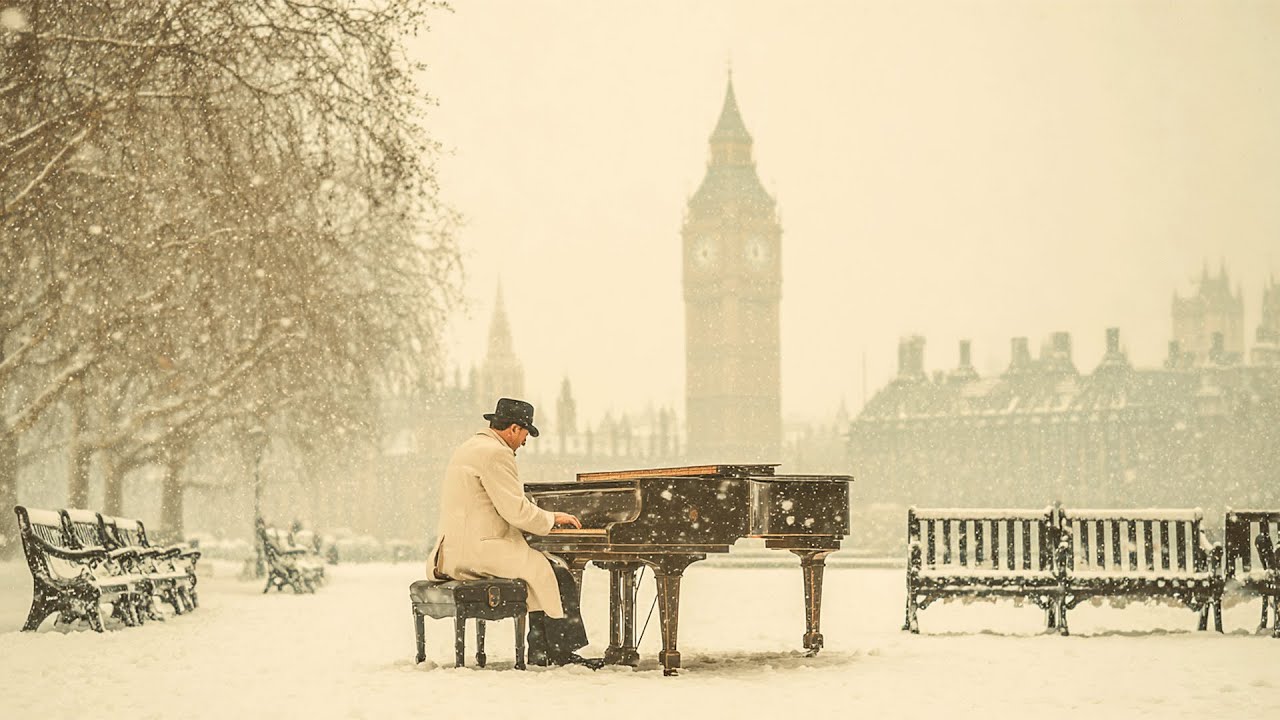
Guided Listening - Tchaikovsky Symphony #6 Pathetique - I. First Movement
Автор: Spirit Reflections
Загружено: 2026-02-22
Просмотров: 66
Описание:
In this episode of GUIDED LISTENING, we unveil the sensitive, painful, and forbidden world of Tchaikovsky, in the first movement of his final symphony.
This video is for educational purposes and an invitation for you to discover and listen to the many layers of classical music, its composers, performers, and what inspired them.
Link to the presented performance: • Tchaikovsky: Symphony No. 6 "Pathétique" |...
Below, I recommend 3 renowned recordings of this work, each with very different styles and characteristics.
🎻1) Yevgeny Mravinsky
with the Leningrad Philharmonic Orchestra (1960)
LINK 🔗: • Tchaikovsky: Symphony No. 6 in B Minor, Op...
Why is it historic?
It is often considered the most tragic, raw, relentless, and cold interpretation ever recorded.
What to listen for:
1st movement – Adagio – Allegro non troppo
The opening bassoon: dark, almost without vibrato, as if emerging from nothing.
The climax of the development: almost unbearable tension, cutting brass.
The collapse after the climax: it’s not just dynamic — it’s psychological.
3rd movement – Marche
Precise, almost military rhythm.
Electrifying final crescendo — but be careful: it’s not triumph, it’s controlled hysteria.
4th movement – Adagio lamentoso
Deep strings, contained vibrato.
The final fades away like heartbeats that expire.
This recording is existential. Nothing sentimental. It’s fate.
🎻 2) Herbert von Karajan
with the Berlin Philharmonic (1976)
LINK 🔗: • Tchaikovsky - Symphony No.6 ( Karajan )
Why is it a reference?
For its luxurious sound and monumental symphonic architecture.
What to listen for:
1st movement
Velvet strings, broad phrasing.
The second theme is cantabile, almost operatic.
The climax is grandiose, not brutal.
2nd movement (5/4)
Aristocratic elegance.
The dance seems to float, not stumble.
3rd movement
Brilliant, spectacular, almost triumphant.
Here, the audience would easily applaud before the end.
4th movement
Lyrical, deep, but beautiful lament.
The suffering is aesthetic, not devastating.
This version is romantic and architectural. Beauty within tragedy.
🎻 Bernstein with the New York Philharmonic (1964, CBS)
LINK 🔗: • Tchaikovsky: Symphony No. 6 in B Minor, Op...
Bernstein is an open emotional confession.
He doesn’t try to hide anything. It’s not restrained. It’s not distant. It’s visceral.
What to listen for:
1st movement – Adagio – Allegro non troppo
The opening bassoon has an almost human lyricism, not just dark.
The second theme is intensely sung — almost operatic.
The climax is not just violent — it’s emotionally desperate.
Bernstein stretches phrases as if he were breathing with the music.
Here, you feel the suffering as human drama, not philosophical abstraction.
2nd movement (5/4)
The dance is slightly unstable.
There’s a melancholic delicacy, like a smile hiding something.
3rd movement
Explosive energy.
The final crescendo is overwhelming.
It seems like triumph — but you feel that it’s theatrical.
Bernstein almost provokes the audience into falling into the trap.
4th movement – Adagio lamentoso
Here is the heart of the recording.
Extremely slow.
Deeply expressive strings.
Intense rubato.
The final doesn’t fade away — it surrenders.
It’s less "extinction" (like Mravinsky)
and more "final confession".
And you? What did you think of this Guided Listening? Leave your opinion and suggestions in the comments.
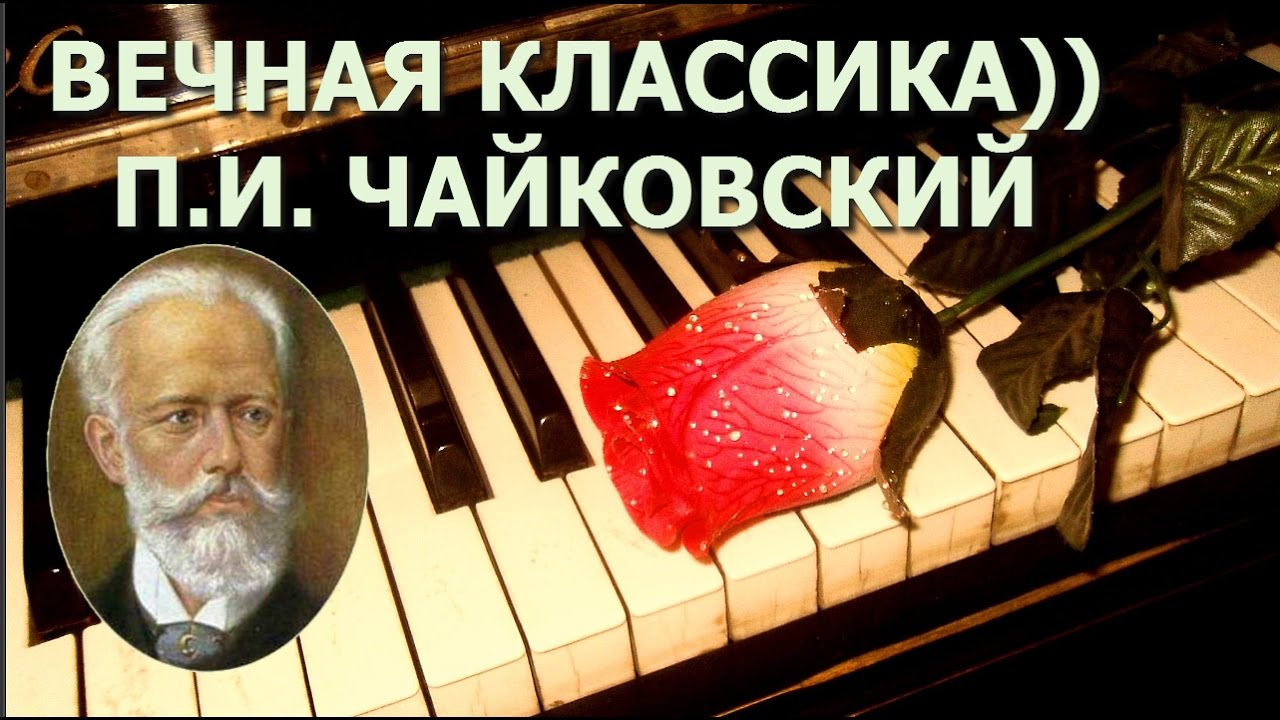
ABOUT TCHAIKOVSKY
Pyotr Ilyich Tchaikovsky (1840–1893) was one of the greatest composers of the Romantic period and the first Russian musician to achieve lasting international recognition. Born in Votkinsk, Russia, he graduated from the St. Petersburg Conservatory at a time when the country was still seeking to assert its own musical identity. Unlike the nationalist group known as “The Five,” Tchaikovsky blended European symphonic tradition with Russian melodic sensitivity, creating a deeply emotional, lyrical, and universal language.
His life was marked by intense inner contradictions. An extremely sensitive man, he lived in constant tension between public recognition and deep personal conflicts. His music reflects this duality: the pursuit of beauty, love, and transcendence coexists with shadows of melancholy, anxiety, and solitude. Works such as Swan Lake, The Sleeping Beauty, Piano Concerto No. 1, and his symphonies reveal a soul that transformed pain into art with rare honesty.
At the end of his life, Tchaikovsky composed his last masterpiece: Symphony No. 6 in B minor, which he titled Pathétique — in the sense of “passionate,” “full of feeling.” The premiere took place in St. Petersburg in October 1893, under his own direction. The initial reception was respectful but restrained. A few days later, the composer unexpectedly passed away at the age of 53.
Повторяем попытку...

Доступные форматы для скачивания:
Скачать видео
-
Информация по загрузке: