Rose-breasted Grosbeak: Birds on the Beargrass - learn about the birds along KY's Beargrass Creek
Автор: Beargrass Thunder
Загружено: 2021-01-14
Просмотров: 9070
Описание:
View the full article here: https://www.beargrassthunder.com/post...
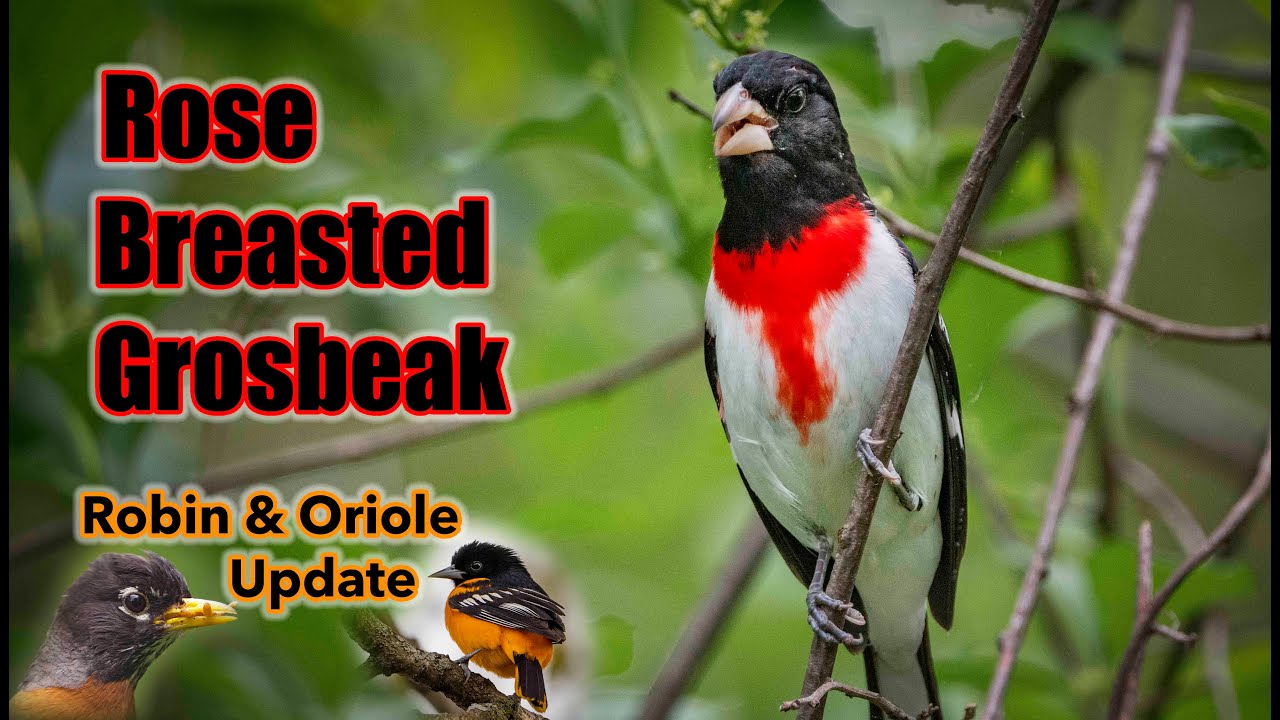
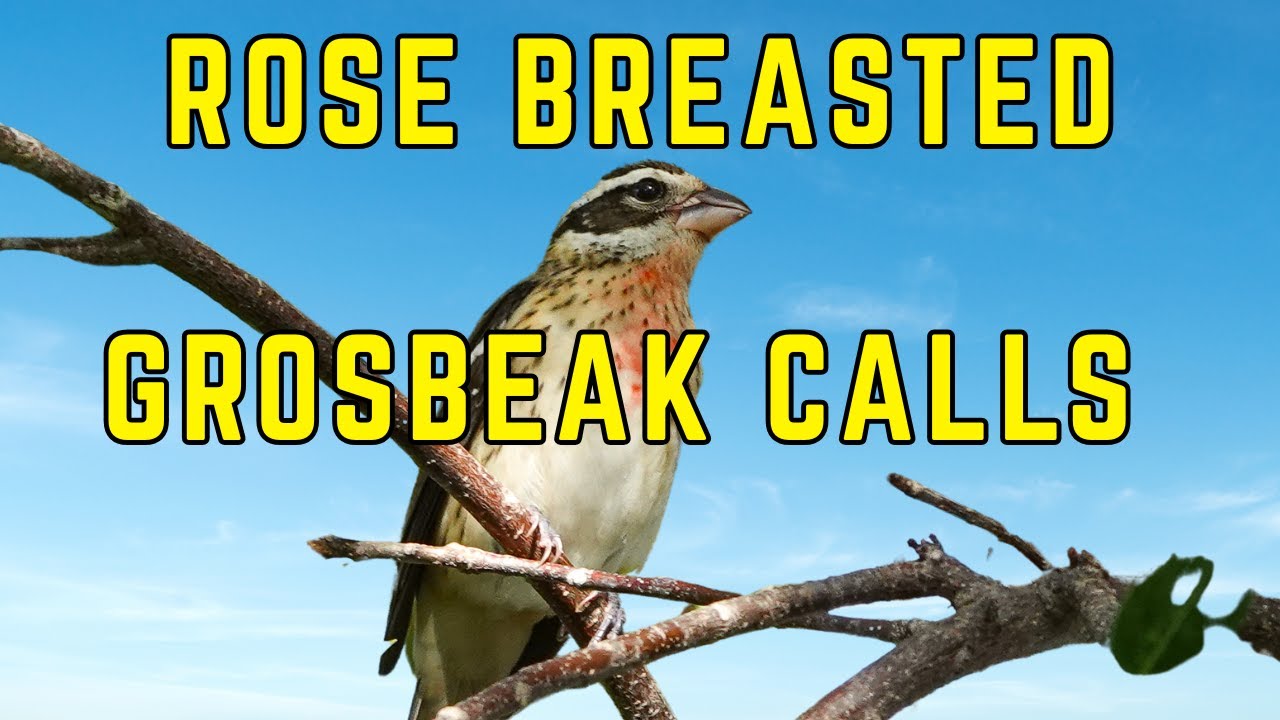
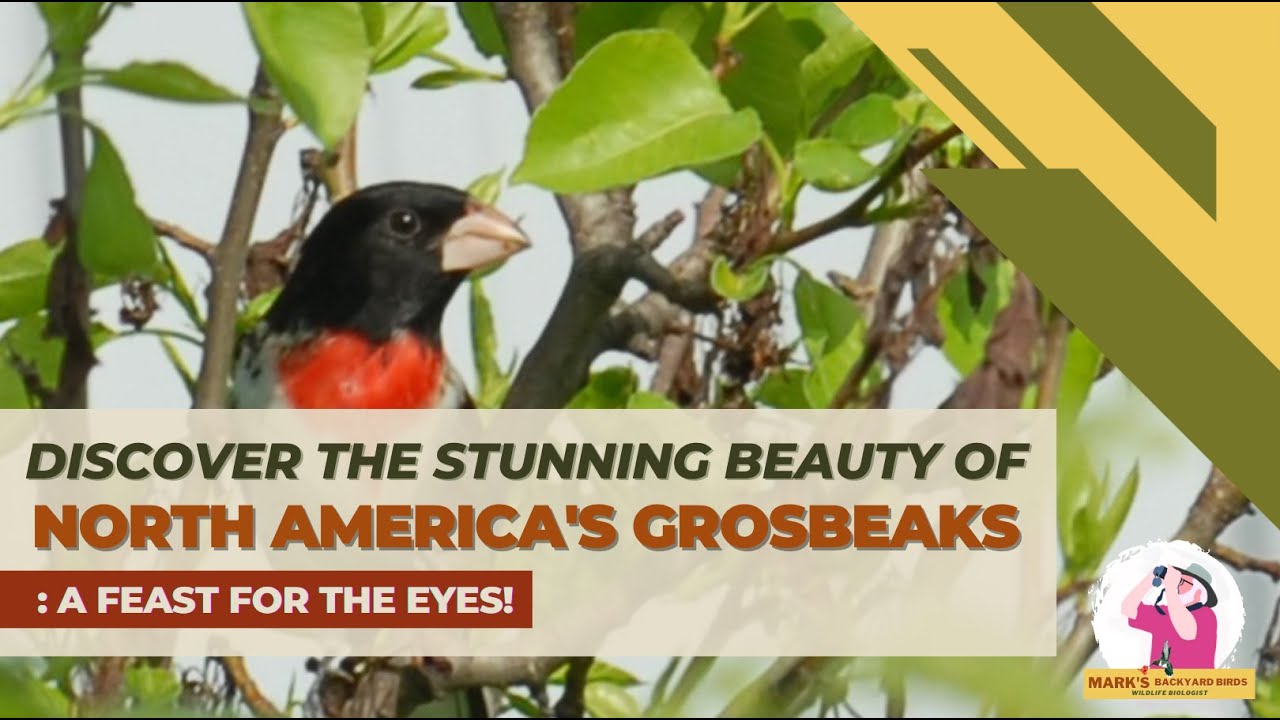
You can identify males by their large triangular bill and distinctive red breast. The females rock it “plain Jane-style” with her streaks and eyebrows.
Their song is very distinctive and has been described as sounding almost like an American Robin, but as if it had operatic training.
Many birdwatchers pay tribute to the Rose-breasted Grosbeak’s song, describing it as “so entrancingly beautiful that words cannot describe it”, and as being superior to any similar kind of songbird.
In the wild, these song birds forage in shrubs and trees for insects, seeds, berries, and sometimes even nectar. The birds have been observed eating beetles, wild fruits, peas, corn, oats, wheat, tree buds, flowers, black berries, mulberries, raspberries, and even milkweed!
These birds spend most of their time among the treetops of forests and woodlands in Canada and northeastern US, migrating in early fall and late spring.
The rose-breasted Grosbeak lays 3-5 greenish-blue eggs with red and brown spots. Both parents incubate the egg, which takes 13-14 days.
Both parents feed and care for the younglings, who can leave the nest after 9-12 days from hatching. Sometimes the male will care for the young while the female builds a new nest. They can breed up to twice a year.
The maximum lifespan recorded for a wild rose-breasted grosbeak was almost 13 years. Those in captivity have been recorded to live up to 24 years!
In areas where both species are scarce, the Rose-breasted Grosbeak can hybridize with its close relative, the Black-headed Grosbeak. The offspring can look like either parent, or even with various combinations of black, orange, and pink!
Sometimes their nests are so flimsy, the eggs can be seen through the bottom of the nest!
These birds take turns incubating eggs, and when they switch places, the mom and dad will sing to each other softly.
To attract the Rose-breasted to your own yard, keep your feeder stocked with sunflower seeds, safflower seeds, and raw peanuts during spring and fall migration. It also helps to have native and pollinator-friendly plants like milkweed to attract insects these birds also eat!
Sources
https://www.allaboutbirds.org/guide/R...
https://www.allaboutbirds.org/guide/R...
https://www.audubon.org/field-guide/b...
https://ebird.org/species/robgro
https://www.birdwatchersdigest.com/bw...
https://en.wikipedia.org/wiki/Rose-br...
--
You can help us out by liking and subscribing here on YouTube! Learn more at beargrassthunder.com, or you can reach out to us at [email protected]. Also, follow us on Facebook at facebook.com/beargrassthunder or Instagram: @beargrassthunder.
Повторяем попытку...

Доступные форматы для скачивания:
Скачать видео
-
Информация по загрузке: