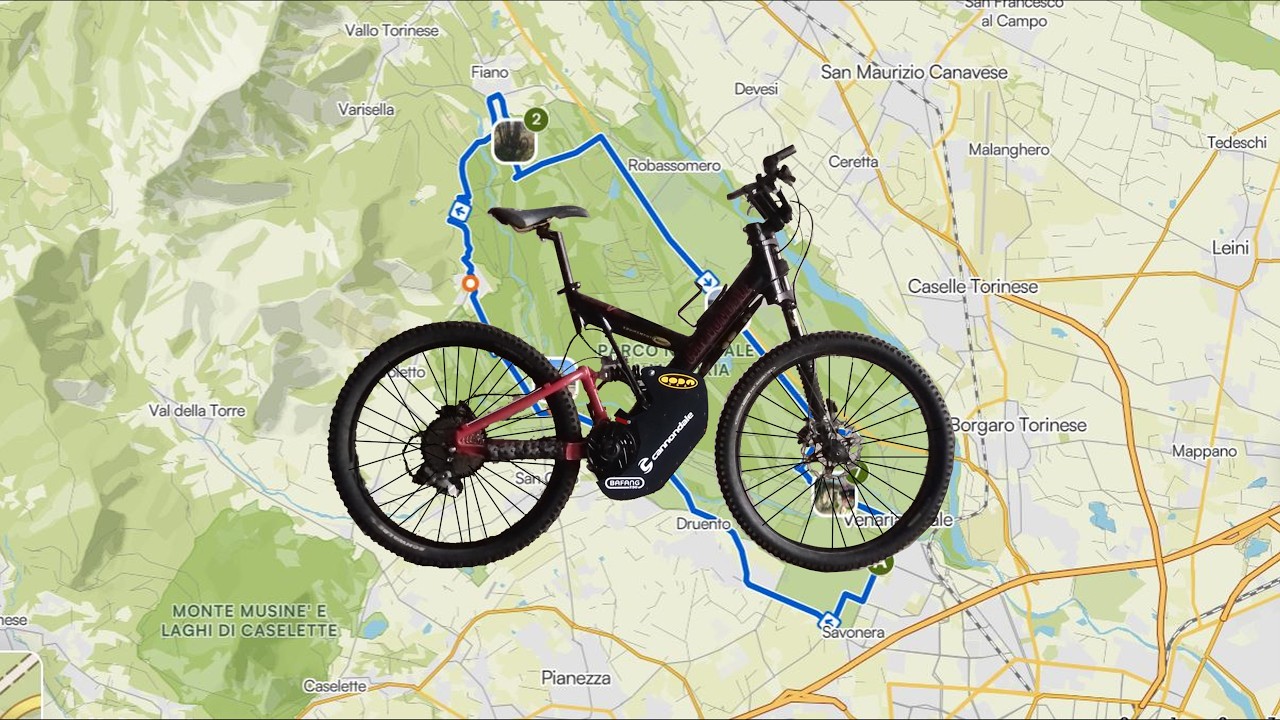
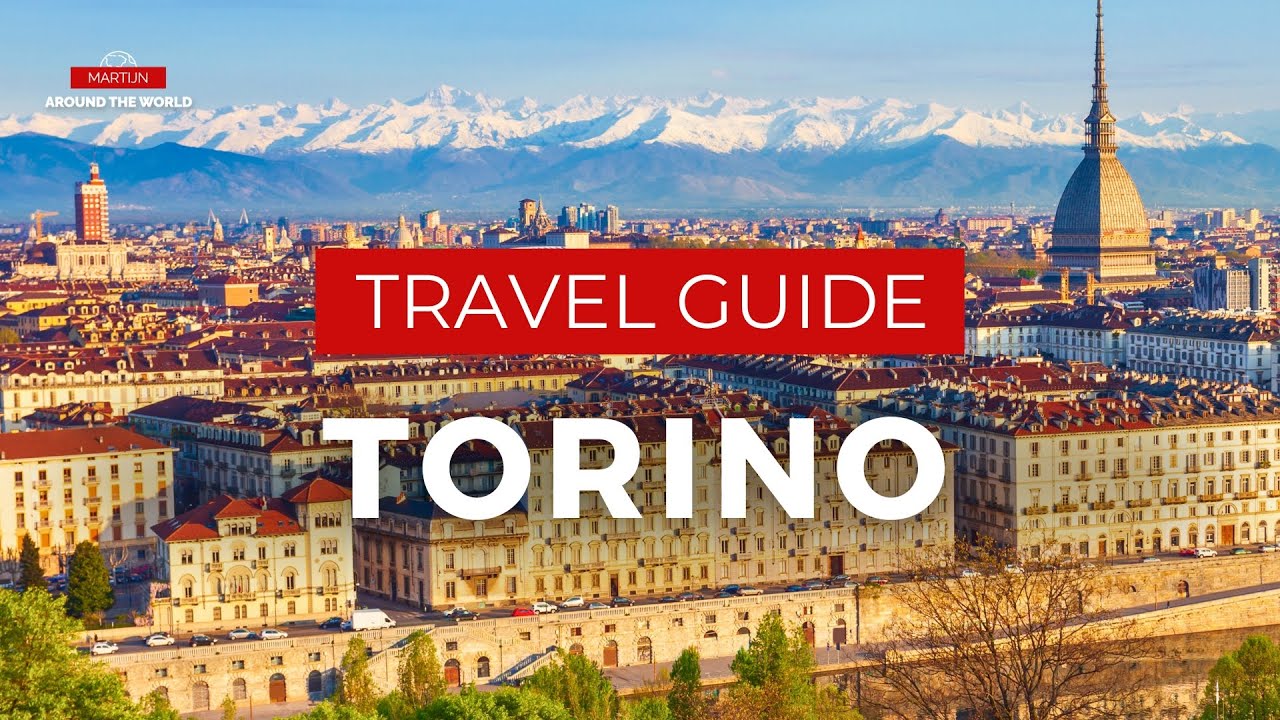
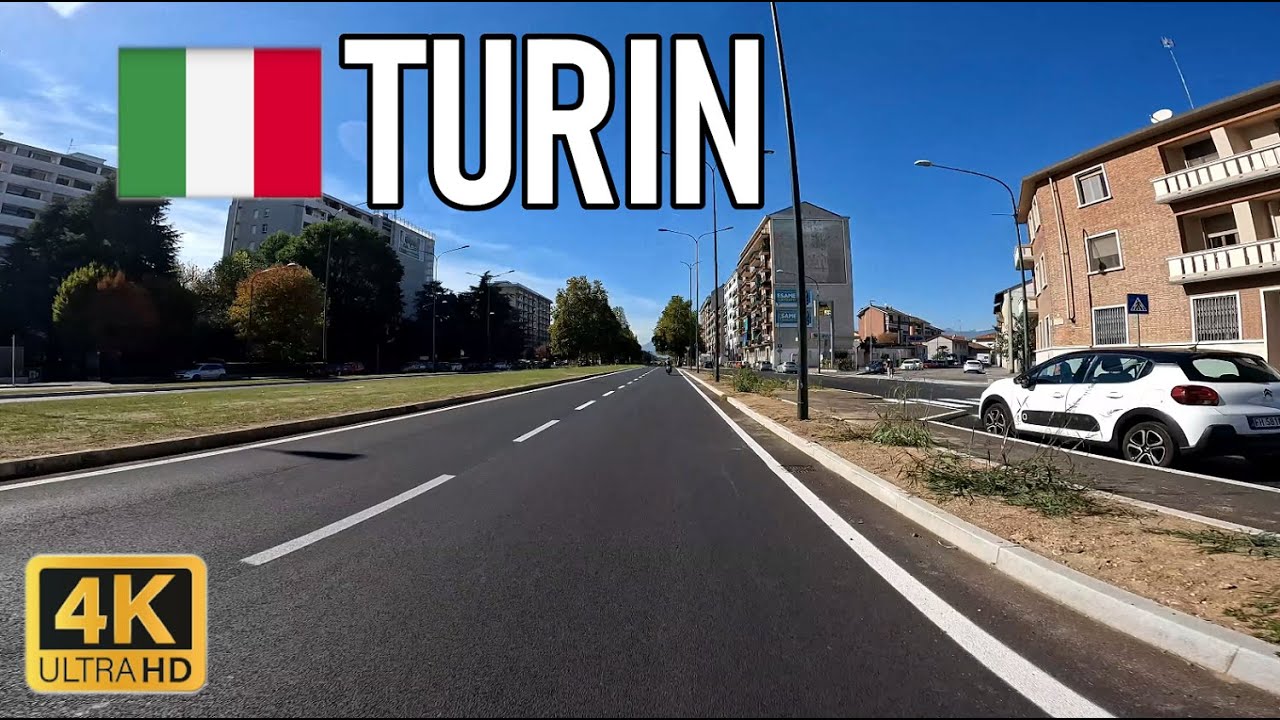
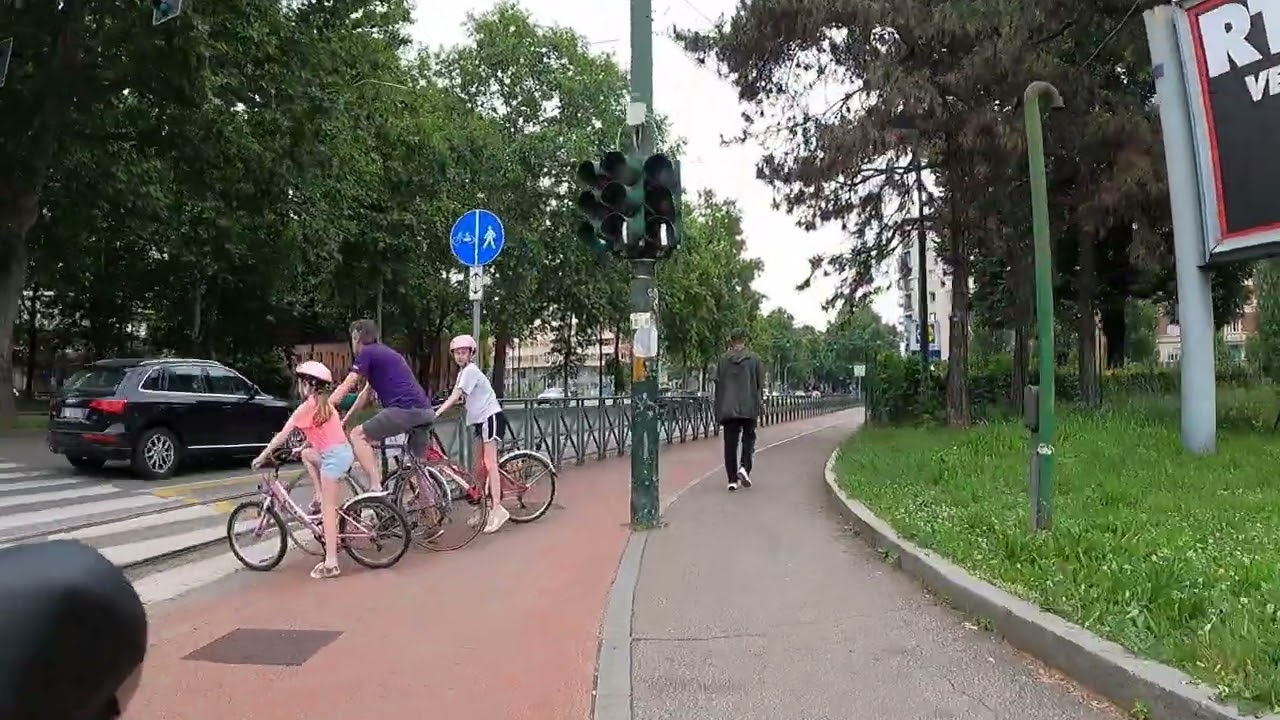
Italia. Piemonte. Torino - Venaria Reale -Torino. 02.06.2025. Ciclismo su strada.
Автор: channel one
Загружено: 2025-08-18
Просмотров: 73
Описание:
enaria Reale (Piedmontese: La Venerìa) is a comune (municipality) in the Metropolitan City of Turin in the Italian region Piedmont, located about 8 kilometres (5 mi) northwest of Turin. Venaria Reale borders the municipalities of Robassomero, Caselle Torinese, Druento, Borgaro Torinese, Turin, Pianezza, and Collegno.
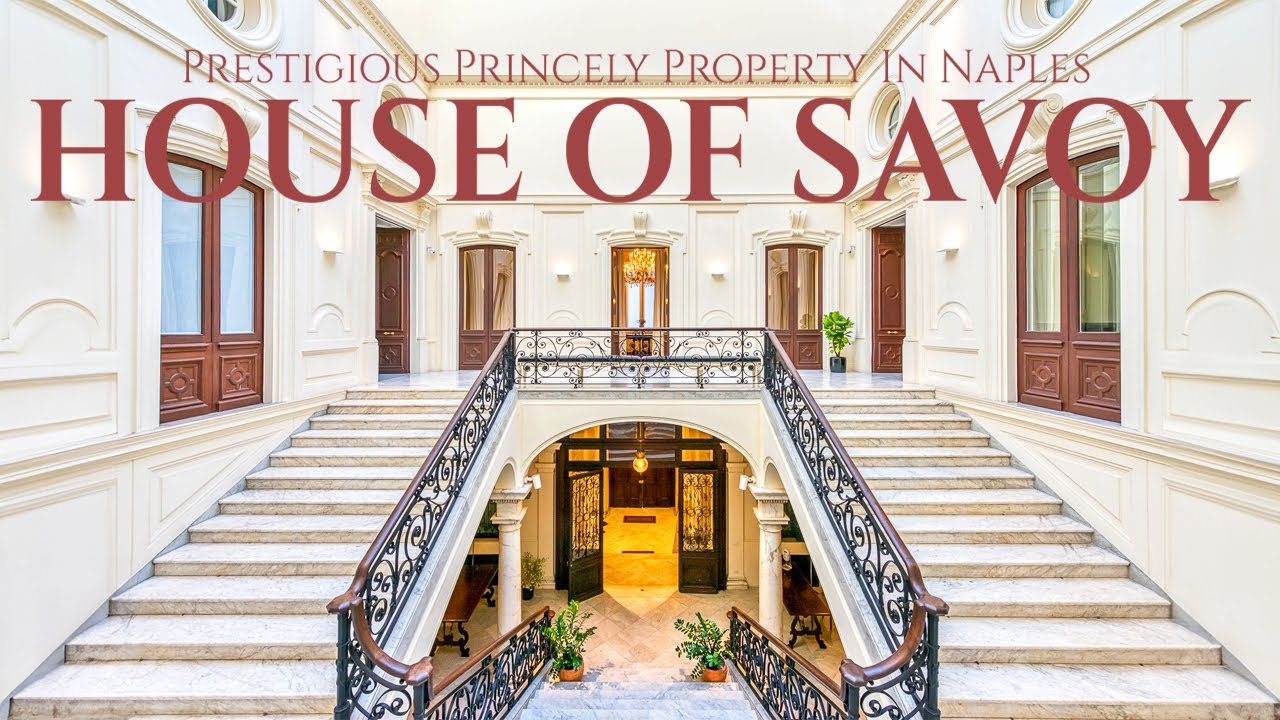
Founded in Roman times and previously known as Altessano (Autsan in the Piedmontese language), it was divided into Altessano Superiore and Altessano Inferiore in the sixteenth century. The upper town was chosen by the House of Savoy as a location for a hunting palace, and its modern name is derived from the Latin for hunting, ars venatoria.
Turin and Venaria Reale are the only Piedmontese municipalities with more than one Savoy residence: the seventeenth century Royal Palace of Venaria (included in the UNESCO Heritage List in 1997) and the nineteenth-century royal apartments of Borgo Castello, located in La Mandria Regional Park are in Venaria Reale. The historical center of the commune was built by Amedeo di Castellamonte in 1667–1690 as a scenic background for the Royal Palace
A 19th-century distinguished citizen of Venaria Reale was Michele Lessona, an illustrious scientist and decorated Senatore del Regno.
Twin towns — sister cities
Venaria Reale is twinned with:
Romania Brașov, Romania
Palace of Venaria:
The Palace of Venaria (Italian: Reggia di Venaria Reale) is a former royal residence and gardens located in Venaria Reale, near the city of Turin in the Piedmont region in northern Italy. It is one of the 14 Residences of the Royal House of Savoy built in the area between the 16th and 18th centuries which were collectively designated a UNESCO World Heritage Site in 1997.
The palace was designed and built from 1675 by Amedeo di Castellamonte, commissioned by Duke Charles Emmanuel II, who needed a base for his hunting expeditions in the heathy hill country north of Turin. The name itself derives from the Latin phrase Venatio Regia meaning "Royal Hunt". It was later enlarged to become a luxurious residence for the House of Savoy. During that time, the palace complex became a masterpiece of Baroque architecture and was filled with decoration and artwork. It fell into disuse at the end of the 18th century. After the Napoleonic Wars, it was used for military purposes until 1978, when its renovation began, leading to the largest restoration project in European history. It finally opened to the public on October 13, 2007, and it has since become a major tourist attraction and exhibition space.
It is noted for its monumental architecture and Baroque interiors by Filippo Juvarra, including the Galleria Grande and its marble decorations, the chapel of Saint Uberto, and its extensive gardens. The palace received 1,048,857 visitors in 2017, making it the sixth most visited museum in Italy.[2]
History
17th-century construction
Charles Emmanuel II, Duke of Savoy (1634–1675) was inspired by the earlier Castle of Mirafiori (Italian: Castello di Mirafiori), built by Duke Charles Emmanuel I (1562–1630) for his wife Catalina Micaela of Spain (1567–1597) in what is today the southern suburb of Turin.
Keen to leave a memorial dedicated to himself and his wife, Marie Jeanne Baptiste of Savoy-Nemours (1644–1724), Charles Emmanuel II bought two small villages just north of the city,
Altessano Superiore and Altessano Inferiore, from the landowner family Birago of Milanese origin, who had used the land for farming. The place was renamed Venaria for its future function as a hunting lodge (Venatio in Latin). The construction of this residence was part of the larger plan of building the so-called "Garland of Delights" (Corona di Delizie), a chain of palaces and leisure residences around Turin, which also included the hunting lodge of Stupinigi, the Castle of Rivoli, the Queen's Villa, and others.
In 1658 Charles Emmanuel II commissioned the project to build the palace and a small town around it to the architect Amedeo di Castellamonte,[3] whose father Carlo was the chief architect of Charles Emmanuel I and whose work had popularized Piedmontese Baroque.
The ambitious plan envisioned a grandiose complex including the palace, gardens, hunting woods, and also a new town, with scenic vistas. The new town's plan had a circular layout, imitating the round shape of the collar of the Supreme Order of the Most Holy Annunciation, a dynastic order created by the House of Savoy. Construction began in 1659, and under the direction of Castellamonte work proceeded steadily, starting with the horse stable and the clock tower built in 1660.
Venaria Reale was much more than a hunting-palace, and must be viewed as an experimentation in urban planning transferred to the countryside, with the realization of a town attached to the residential complex by linear axes opening up into curved public spaces, the focal point of one of which was the church of Sant'Uberto, patron saint of the hunt. This organization was reported to have....
Повторяем попытку...
Доступные форматы для скачивания:
Скачать видео
-
Информация по загрузке: