China is in 300% DEBT, is it a CRITICAL LESSONS? ECONOMIC CASE STUDY
Автор: Truth Behind Economics
Загружено: 2026-02-15
Просмотров: 367
Описание:
Join this channel to get access to perks:
/ @truthbehindeconomics
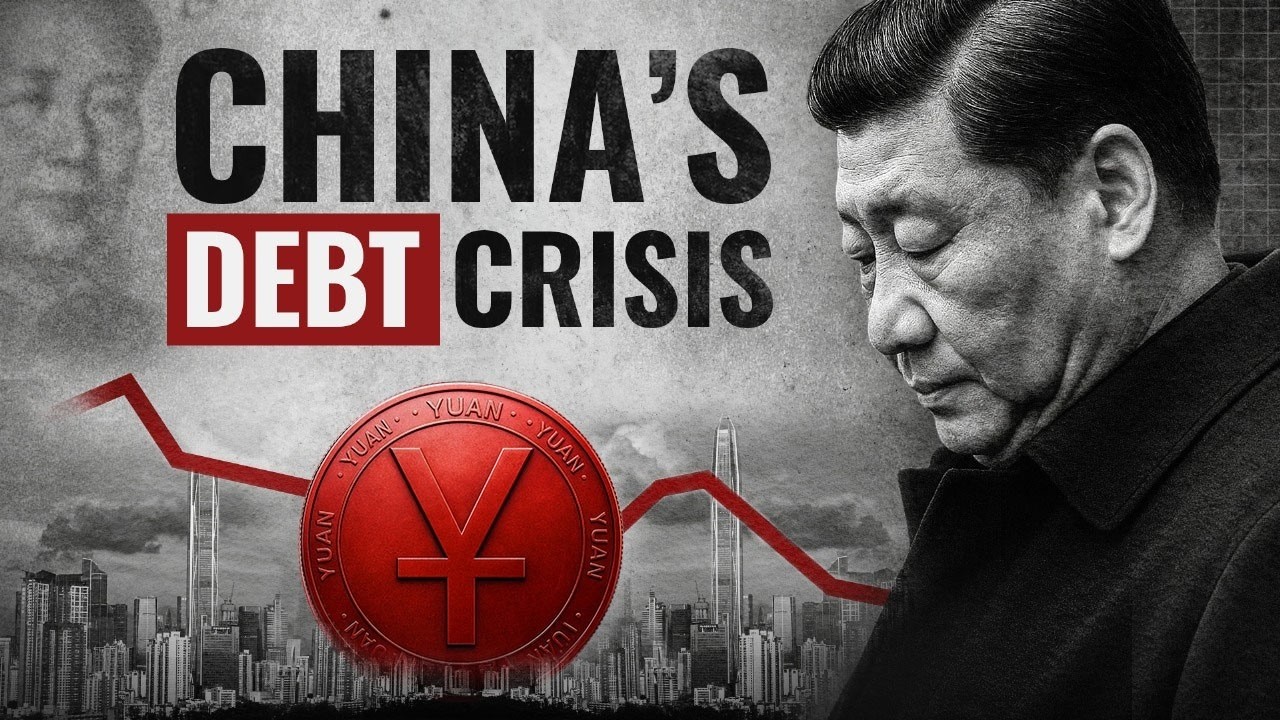
China’s real debt isn’t the headline number. It’s not the official figure reported to the IMF. It’s not the quarterly GDP print. The real number is closer to 300% of GDP — and once you understand how that debt was created, hidden, and now restructured, you’ll never see China’s economy the same way again.
In this deep-dive, we break down the true scale of China’s debt crisis, the rise of Local Government Financing Vehicles (LGFVs), and how off-balance-sheet borrowing transformed the world’s second-largest economy. This isn’t a “China collapse” narrative. It’s an analysis of the incentive system that fueled decades of explosive growth — and the hidden liabilities that came with it.
We examine:
How LGFVs allowed trillions in hidden debt to accumulate
Why China’s total debt may approach 300% of GDP
The connection between ghost cities and GDP growth targets
How land sales and property speculation powered local governments
The collapse of Evergrande Group and what it revealed about the system
The mortgage boycotts and unfinished housing crisis
Beijing’s debt swap program and what it really changes
Why China’s property sector became the largest asset class in the world
The long-term consequences for global markets and geopolitics
We also compare China’s debt load to the United States and Europe, explore how hidden liabilities distort economic reality, and explain why restructuring debt doesn’t eliminate it — it simply redistributes the burden over time.
This video covers China’s property crisis, shadow banking system, infrastructure overbuild, local government debt, GDP growth incentives, and the broader implications for the global economy. If you want to understand China’s slowdown, the real estate crash, and what 300% debt-to-GDP actually means, this is the breakdown you’ve been looking for.
China is not collapsing tomorrow. But the hidden cost of past growth is now competing with future ambitions — from semiconductors to energy to military expansion. The question isn’t whether the debt exists. The question is how it will be managed, who ultimately absorbs it, and what it means for the balance of global power.
If you care about China’s economy, global markets, real estate bubbles, sovereign debt crises, or the future of the U.S.-China rivalry, this analysis connects the dots mainstream headlines ignore.
Subscribe for more deep economic analysis.
Повторяем попытку...
Доступные форматы для скачивания:
Скачать видео
-
Информация по загрузке: