Can You Trust Whoop, Oura, Garmin and Polar's “Readiness” Scores?
Автор: Dr Cailbhe Doherty
Загружено: 2025-08-30
Просмотров: 740
Описание:
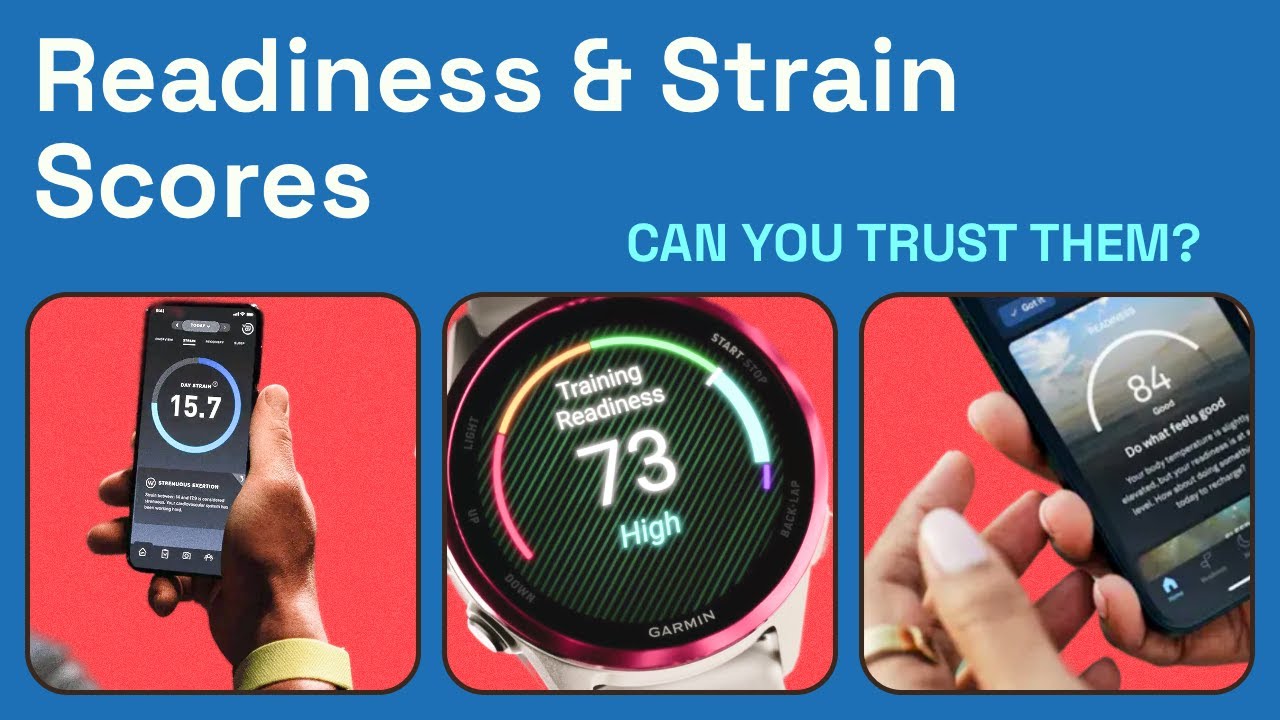
Composite health scores — names like Readiness, Recovery, Strain, or Body Battery — are now a common feature in wearables from Oura, WHOOP, Garmin, Fitbit, and others. They promise a single daily number that tells you how ready you are to train or rest.
But how are these numbers calculated? Are they based on sound science, or are they just opaque algorithms?
In this video, I summarise findings from our recent systematic review of composite health scores in consumer wearables. We look at:
The most common biometric inputs (heart rate, HRV, sleep, activity)
Why multicollinearity can distort scores
How different brands define “normal” and “baseline”
The transparency problem: why we can’t compare scores across platforms
When these numbers can be useful — and when to be cautious
📄 Read the open-access paper: https://doi.org/10.1515/teb-2025-0001
0:00 Introduction – What are composite health scores?
0:39 How wearables calculate these scores
2:30 Key metrics used and why they’re included
4:04 Interconnected metrics and double-counting issues
4:50 Multicollinearity explained
6:09 How to use composite health scores wisely
#WearableTech #DigitalHealth #HealthData #HRV #ReadinessScore #FitnessTracker
Повторяем попытку...
Доступные форматы для скачивания:
Скачать видео
-
Информация по загрузке: