Ascites Management in Cirrhosis: AASLD Guidelines, SBP, and HRS-AKI Explained
Автор: Hospital Medicine Unplugged
Загружено: 2025-10-04
Просмотров: 125
Описание:
In this episode of Hospital Medicine Unplugged, we sprint through ascites—tap early, diurese smarter, and keep kidneys/brains out of trouble while you line up the definitive plan.
We open with the do-firsts: confirm the syndrome and name the driver. Diagnostic paracentesis on arrival (don’t wait for the CT): send cell count/diff (SBP if PMN ≥250/µL), albumin + total protein (for SAAG), culture (inoculate blood culture bottles at bedside), ± cytology/ADA/amylase if the story is atypical. Read the fluid: SAAG ≥1.1 g/dL → portal HTN (usually cirrhosis); SAAG <1.1 → non-portal (malignancy, TB, pancreas). Protein >2.5 g/dL points to cardiac. Baseline labs: CMP/Cr, INR, CBC, urine Na/K (spot), and ultrasound with Doppler.
General moves that matter: Sodium ~<2 g/day (avoid over-restriction—protect nutrition), daily weights/strict I&O, and stop nephrotoxins (NSAIDs, ACEi/ARB, aminoglycosides; pause diuretics if AKI). Multidisciplinary from the jump (hepatology, nutrition, pharmacy).
Diuretics—start right, titrate tight: for grade 2 (moderate) ascites, start combo spironolactone 100 mg + furosemide 40 mg daily (1:0.4 ratio), then up-titrate in lockstep. Aim for –0.5 to –1.0 kg/day (slower if no edema). Track K⁺/Cr closely; back off if creatinine rises or Na slides.
Paracentesis & albumin: for tense (grade 3) ascites, go straight to large-volume paracentesis for fast relief. If >5 L removed, give albumin 6–8 g per liter to prevent circulatory dysfunction. Long-term albumin between taps? Mixed data—use selectively, not by default.
Refractory ascites playbook: when max diuretics + sodium restriction fail, it’s repeat LVP and consider TIPS. TIPS helps control ascites but ups HE risk—avoid with advanced HE, bad cardiac disease, or high MELD; decide with a multidisciplinary huddle. Not a TIPS/transplant candidate? Discuss tunneled peritoneal drains or automated low-flow pumps—quality-of-life gains vs infection/device issues.
Complications you can’t miss:
• SBP: suspect with any decompensation. Diagnose with PMN ≥250/µL; treat ceftriaxone/cefotaxime (broaden if nosocomial/MDR risk) + albumin 1.5 g/kg day 1, 1 g/kg day 3. Start prophylaxis afterward when indicated.
• Hyponatremia: optimize volume/diuretics; fluid restrict only if severe (Na <125) or symptomatic; correct slowly; consider albumin support in select cases.
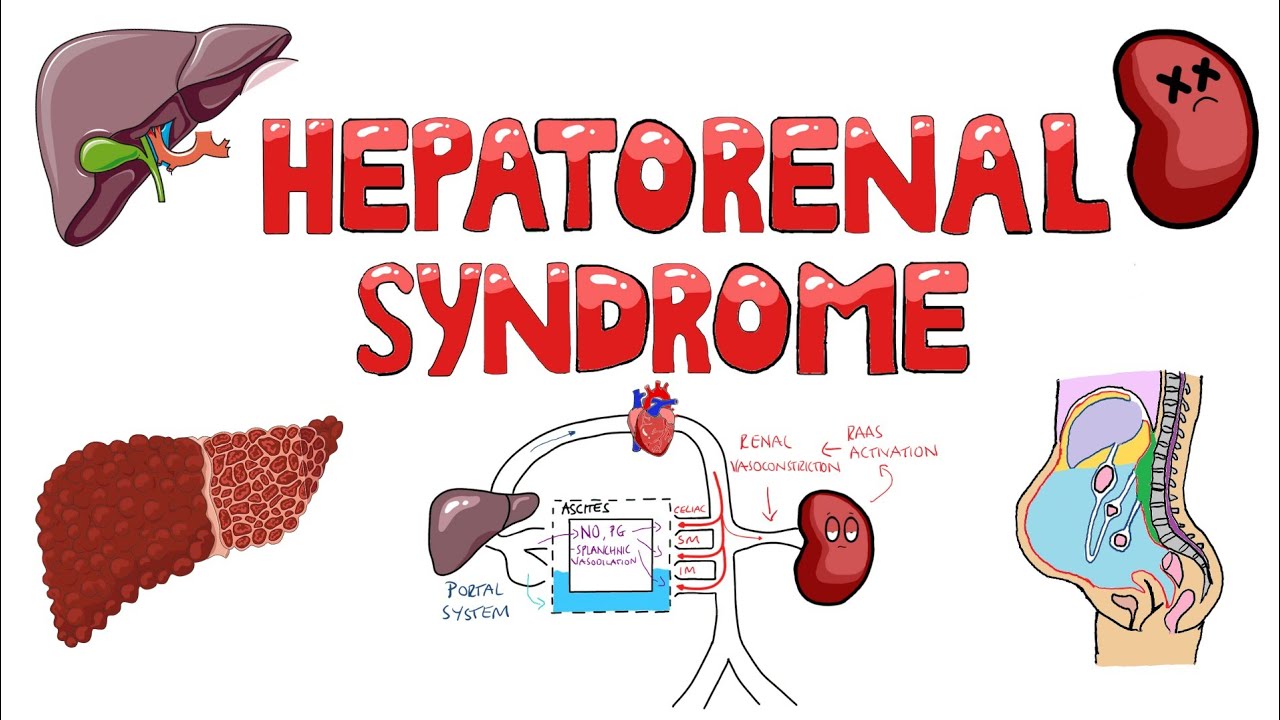
• HRS-AKI: albumin challenge, fix precipitants, then vasoconstrictor + albumin (e.g., terlipressin where available) and fast-track transplant.
Special situations & follow-through: reinforce alcohol cessation/viral therapy linkage where relevant, vaccinate (HAV/HBV), nutrition re-build (adequate protein!), and early transplant referral for anyone with refractory ascites or first SBP/renal hit.
We close with the system moves: an ascites bundle that (1) auto-fires an admission paracentesis order set (cell count, culture in blood bottles, albumin/protein for SAAG); (2) defaults to combo diuretics with daily weight/I&O targets and lab timers; (3) embeds LVP + albumin dosing when >5 L; (4) pops an SBP pathway (empiric ceftriaxone/cefotaxime + albumin; prophylaxis on discharge if indicated); (5) flags AKI/HRS with a vasoconstrictor + albumin protocol; (6) hard-stops nephrotoxins and cues nutrition consult; (7) triggers TIPS/transplant e-consults for refractory disease; (8) offers palliative options (tunneled drain education, home drainage) when goals-of-care point that way.
Tight, tap-first, and transplant-minded—everything your team needs to relieve pressure today and change the trajectory tomorrow.
Повторяем попытку...

Доступные форматы для скачивания:
Скачать видео
-
Информация по загрузке: