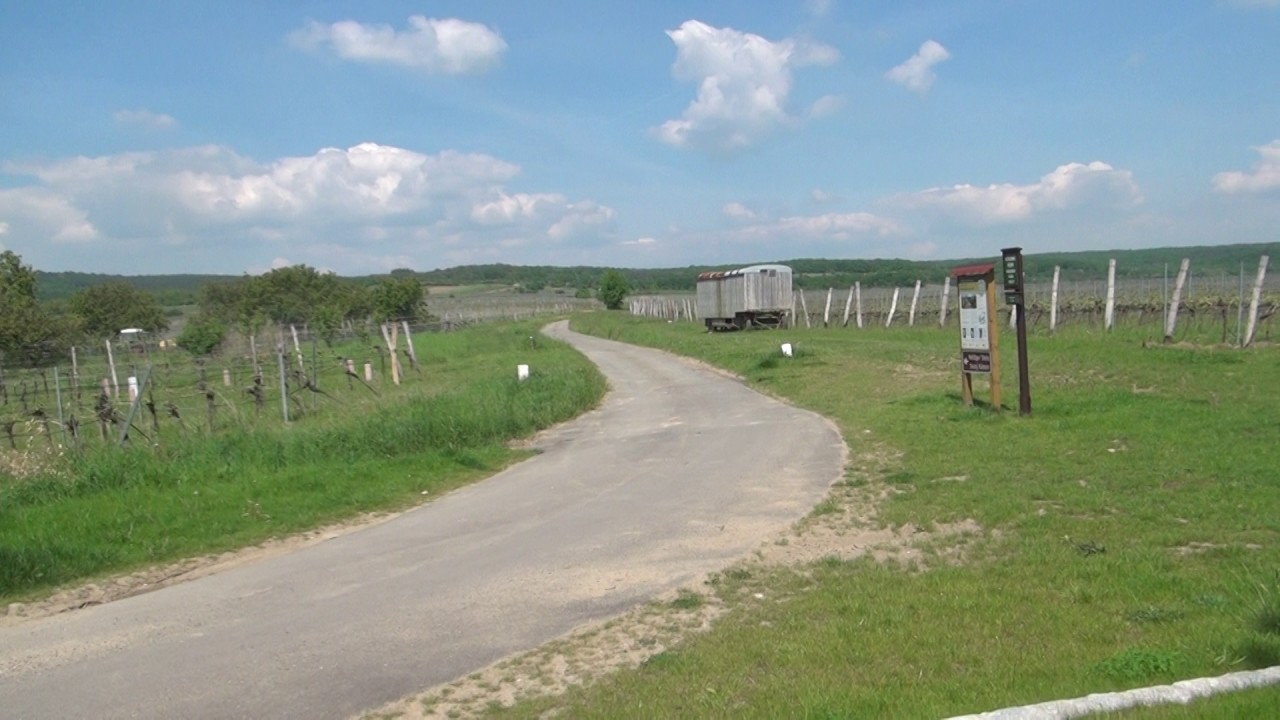
Czech - Polish border along Karkonosze mountains
Автор: Alan Heath
Загружено: 2011-08-22
Просмотров: 6256
Описание:
/ 173472422695696
http://www.ceepackaging.com
twitter : @ceepackaging
/ 135108923181666
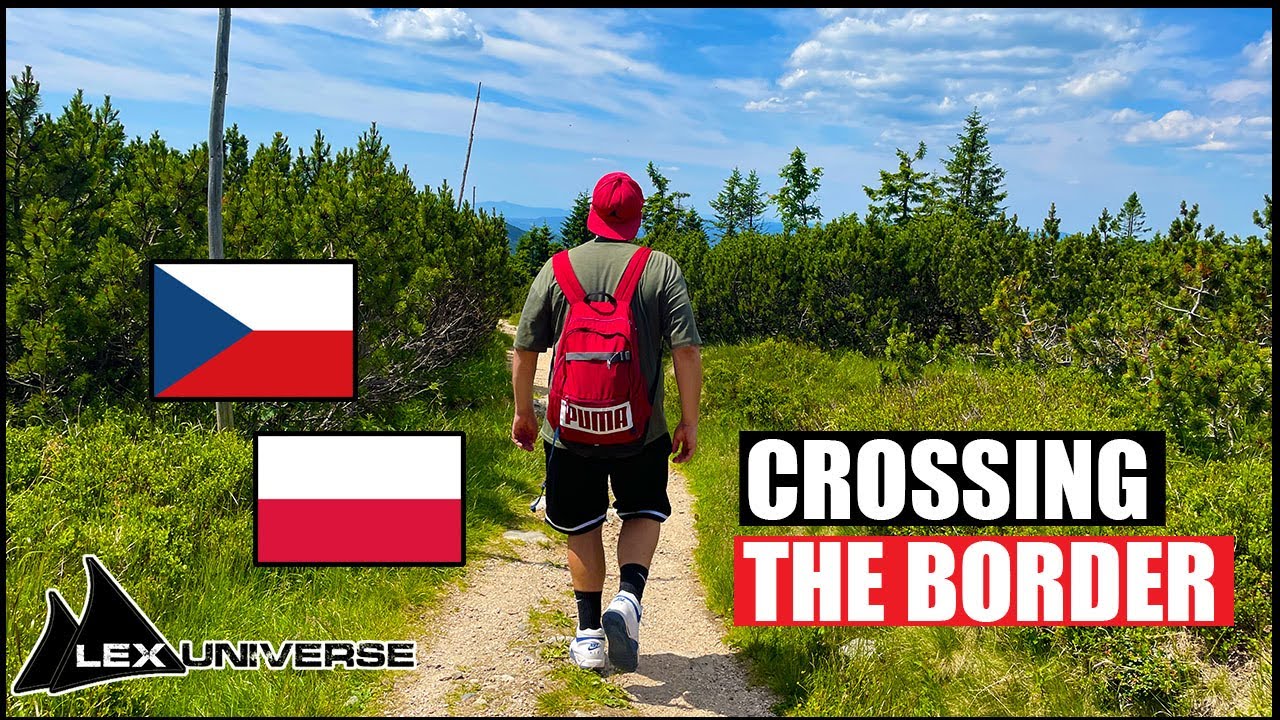
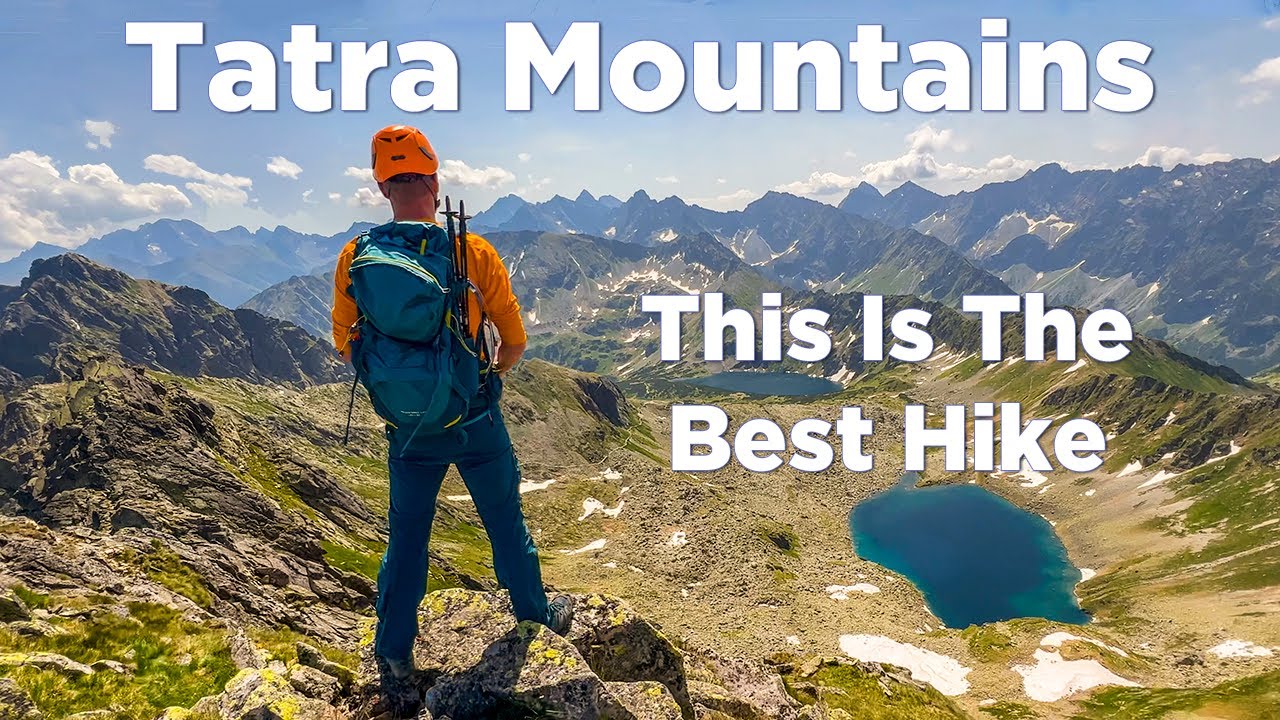
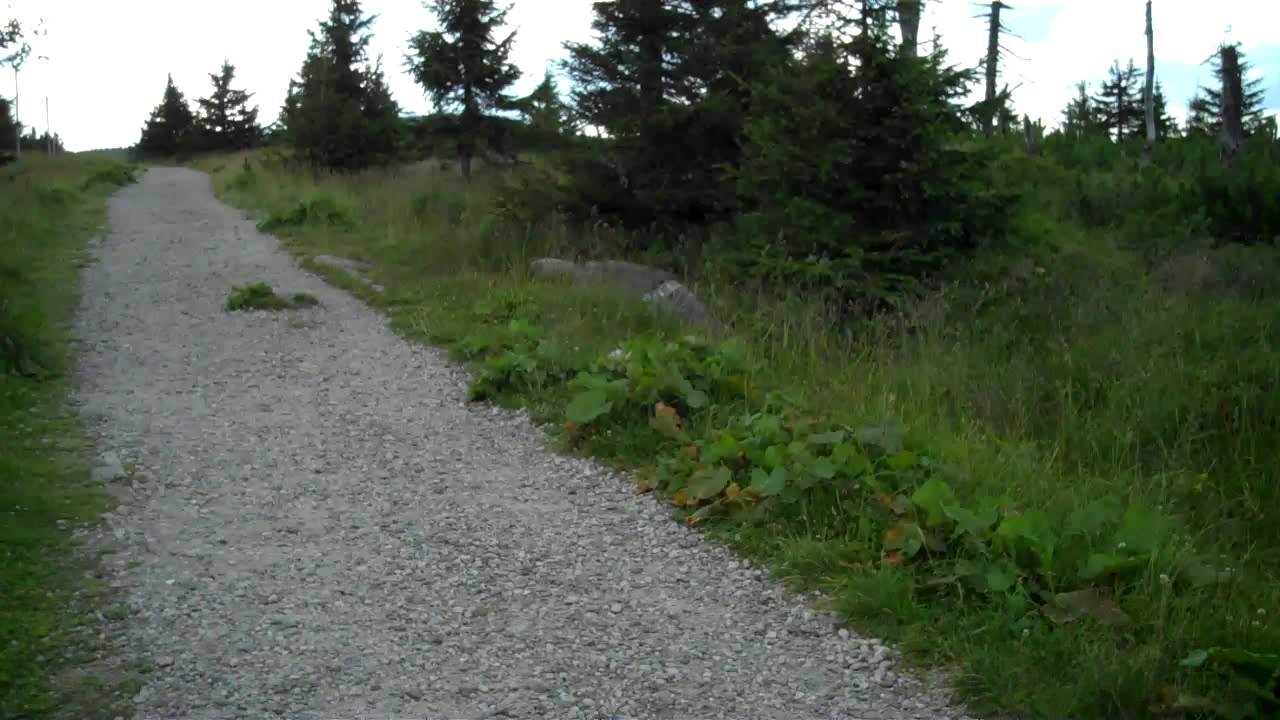
The Polish--Czech Friendship Trail (Czech: Cesta česko-polského přátelství, Polish: Droga Przyjaźni Polsko-Czeskiej) is a public walking path in the Karkonosze Mountains. The path runs on both sides of the Czech--Polish border, along the main ridge and crosses or traverses all its summits. The maintenance of the trail is performed by the staff of both adjacent national parks: the Polish Karkonosze National Park and the Czech Krkonoše National Park. The trail is marked red and the signs mostly bilingual. The start point is located on Szrenica and the end in the Okraj Pass / Pomezní boudy; the length of the trail is approx. 30 km.
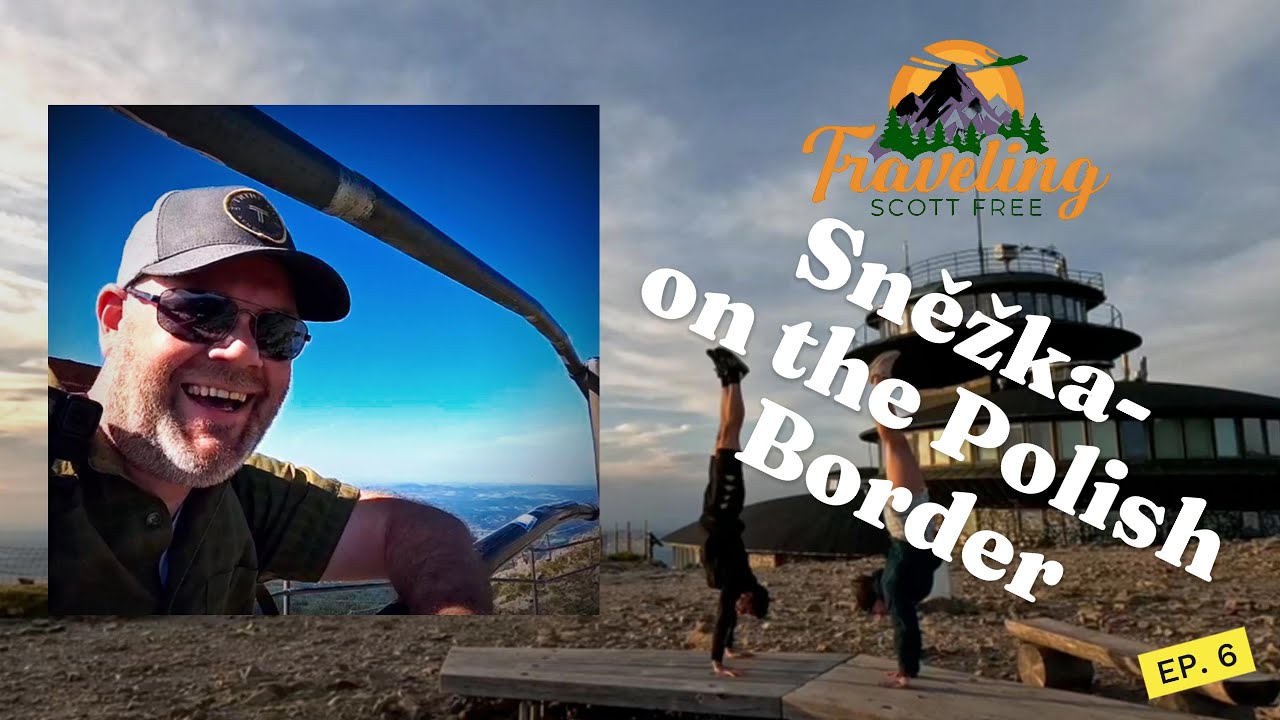
Until the Middle Ages, the peak area of Karkonosze remained untouched; the first people to explore it were treasure hunters looking for gold, and shepherds. In the 18th century ascents to the Sněžka / Śnieżka were fairly common, organised tourism appeared in the second half of 19th century, along with railway access to Jelenia Góra, Szklarska Poręba and Karpacz. Śnieżka was climbed amongst others by Johann Wolfgang von Goethe. In that period many shepherd's huts were built, called in German Baude and bouda in Czech. Some of them became tourist shelters e.g. Lucni Bouda. Around 300 km of trails were constructed in both Silesian and Bohemian parts of the mountains. The whole idea was conceived, implemented and managed by two mountain clubs, Austrian Riesengebirgenverein and German Riesengebirgenverein. All the main paths and trails, including these in the alpine area, were constructed before World War I. The trail, later dubbed Polish-Czech Friendship Trail, was completed before the end of the 19th century. At the beginning of the 20th century the upper zones of the range were a busy tourist region with numerous huts and other facilities.
The trail was opened on 16 June 1961, as a result of the Polish--Czechoslovak treaty concerned with tourism and mutual relations. It was made possible to hike along the border, but it still involved some formalities (eg.identity card and check-in to a hotel) and the trail was not accessible to tourists from outside these two countries. In the 1970s and 1980s Polish and Czech dissidents met on the trail, including Jacek Kuroń and Václav Havel.
With the implementation of martial law in Poland on 13 December 1981 the trail was closed. It was reinstated in 1984. Paradoxically, despite the declared friendship, the trail route was the subject to some formal issues: Czech authorities claimed that the route infringed the Czech territory by 2 metres. Trips to the peak of Sněžka were possible only if accompanied by a guide approved by local authorities (including the army and militia). After the dissolution of Czechoslovakia in 1993, the name changed to Polish-Czech Friendship Trail and the regulations were reduced considerably: the check-points were often left unstaffed and only random inspections on the border were performed. With Schengen rules in 2007, all border controls were eliminated. Nonetheless, any persons crossing the border must have a valid identity document (ID card, passport) with them - not that anyone in my party bothered.
Being situated in the upper part of the Karkonosze range, the trail's climate is generally more varied and less favourable than in the lower levels. Both major peaks on the trail, Sněžka and Szrenica are shrouded in fog or cloud for more than half of the year: for 296 days and 264 days respectively. The annual average temperature on Sniezka is +0.2°C, for Szrenica +1.9°C. Snow covers the ground until at least April. Śnieżka is one of the windiest place in Poland; only about three days a year are calm.
The path stays away fromhardwood forest; with the predominant montane and subalpine vegetation zone. Spruce monoculture prevails. Acid rain, frequent in the 1980s and 1990s affected the area, though their destructive effect was not as powerful as in the lower zones. In some parts, especially around Mały Szyszak mountain meadows cover large areas, used in 19th and in the first half of the 20th centuries as mountain pasture areas. This has come to a standstill, although some traces of old shepherd huts can still be found; some of them have been converted into mountain huts.
The subalpine vegetation along the track consists of subarctic high moors and mountain pine. Many species coexist here, as cloudberry and lichen. The alpine vegetation zone appears only at the slopes of Śnieżka which is a rocky desert covered in granite rubble.
Wildlife includes the badger, mouflon and mountain shrew. Birds include the black grouse, Tengmalm's owl, alpine accentor, water pipit, common redpoll, Western Capercaillie. Numerous invertebrates also occur in the alpine zone.
Повторяем попытку...
Доступные форматы для скачивания:
Скачать видео
-
Информация по загрузке: