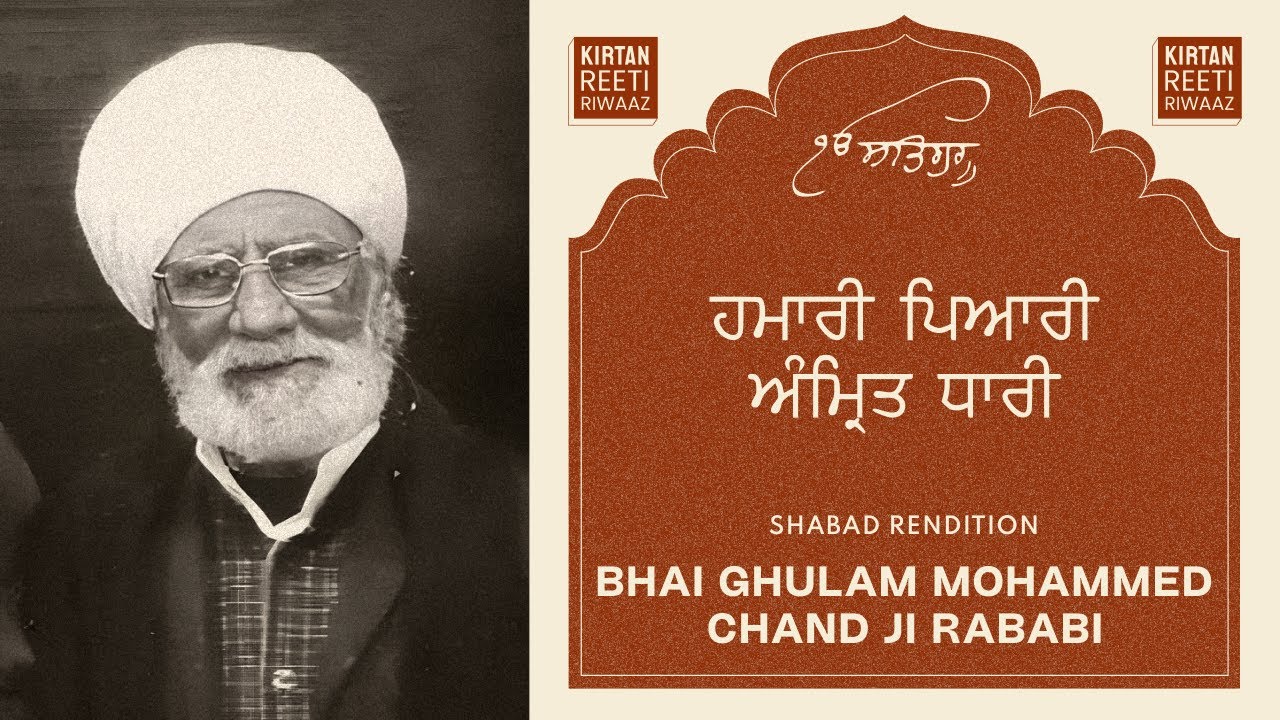
Hamari Pyari Amrit Dhari - Bhai Ghulam Mohammed Chand Ji Rababi
Автор: Kirtan Reeti Riwaaz
Загружено: 2024-07-13
Просмотров: 2252
Описание:
| ABOUT THE SHABAD REET |
This shabd reet contains "Mai Vaari" and "Re" as extra words. Many old, vintage compositions have similar structures where you hear extra words like "Ji," "Hey Ji," "Ram," "Ji Ram," "Mai Vaari," "Wah Wah," "Pyare," "O Pyare," "O Ji," or "Ji Pyare." These were the Shingaars used by the Saadhus and Sants while singing the reets or doing kirtan.
Some believe these words were simply added to complete rhythmic cycles in music or beats. However, the old Maestros who sang these compositions were highly skilled in music and devotion. They were masters and knew everything about music. Therefore, it's illogical/Sensless to say these words were added just to fill out a shabd line to fit a particular taal. It's not a musical crutch; it's an ecstatic, blissful, and spiritual urge – an expression, that's all.
Many also think using or adding extra words disrespects Guru Maharaj and Guru Bani. Old Ragis, Sadhus, Sants, and Rababis had so much reverence for Guru Sahib while singing. They sang for the Guru with the mindset that the Guru was dwelling in front of them. Their singing was like an open conversation pouring their hearts out to a friend/mother/father/Yaara/Sajan/Husband.
Even some of the reets/old tunes go back to the time when Gursikhs sang in the presence of Guru Sahib Ji and added "Pyare," "Wah Wah," to speak / sing and tell everyone in the holy congregation about the supremacy and greatness of the Bani and their Guru – out of love, spiritual excitement, and yearning, and to receive blessings. We must understand these words as expressions of love and celebration.
This is how old, many of these Shabad Reets are. Even some of the Shabad Reets/tunes composed by some of the Gurus themselves contained these added words like "Ji," "Wah," "Mai Vaari," etc., though they are not found in the written Banis.
To keep these old, intangible histories and memories of Gursikhs and Gurus alive, old reets should be sung the way they were sung before. These Shabad reets were passed down from generation to generation (Seena Basena) to Ragis and Rababis. These reets were passed down through many shaheediyan and struggles. We must admire them, hear them, learn them, sing them, respect them, spread them, and not find points to judge and spread hatred and differences within the Panth.
| ABOUT |
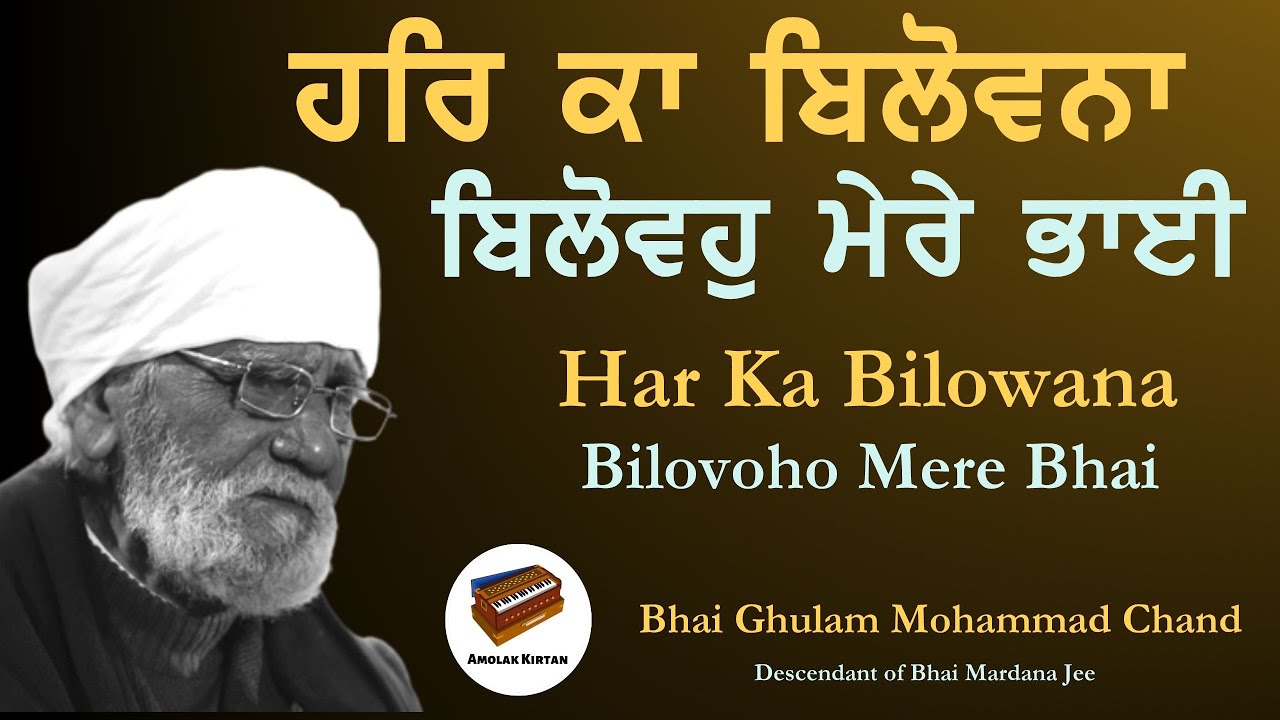
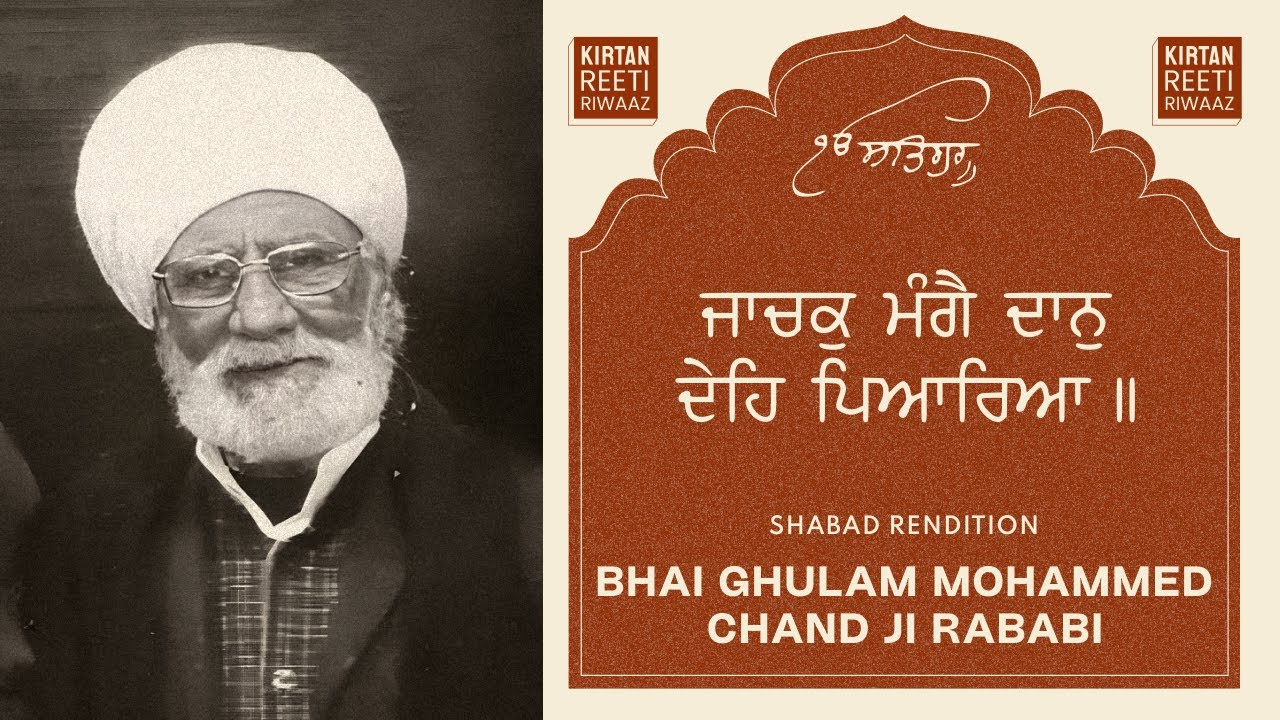
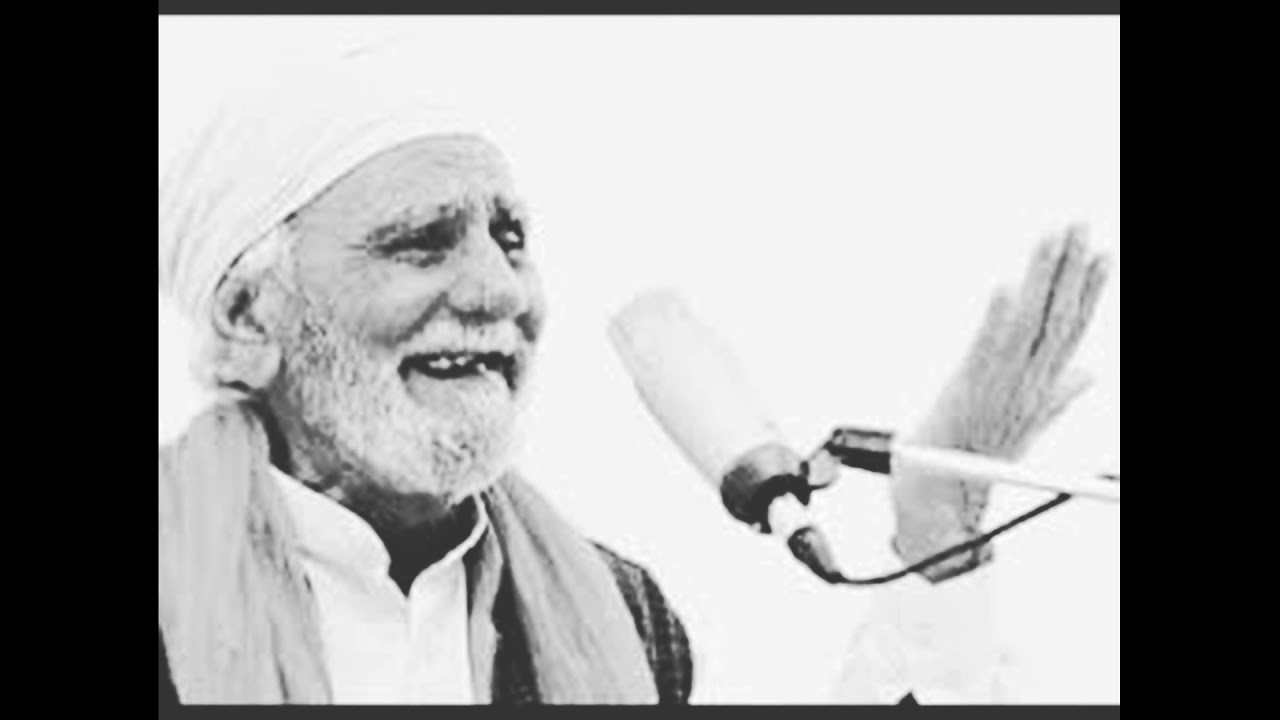
Bhai Ghulam Mohammad Chand belonged to the Rababis of Guru Gobind Singh Ji, a revered lineage tracing back to Bhai Sadha and Bhai Madha, who sang during the lifetimes of the last two Sikh Gurus, Guru Tegh Bahadur and Guru Gobind Singh. He came from a prestigious family of musicians dedicated to performing kirtan, the devotional singing of Sikh hymns.
Bhai Sahib Ji was the nephew of some of the last Rababis to perform kirtan at the Darbar Sahib, namely Rababi Bhai Chand, and the son of Rababi Bhai Sundar Giani. Both his uncle and father had a close association with Bhaini Sahib due to the fondness Maharaj Baba Pratap Singh Ji of Namdhari Darbar had for the old custodians of Gurbani Sangeet.
Bhai Sahib Ji spent his childhood immersed in music, traveling across Punjab and Peshawar with his father and uncle to sing kirtan at gurdwaras and for Sikh nobles. This rich cultural and musical heritage deeply influenced his life and craft. Bhai Sahib Ji's repertoire included old shabad reetans, including the dhrupads of Darbar Sahib, showcasing his mastery and dedication to the traditional forms of Gurbani music.
Despite his dedication and lineage, Bhai Ghulam Mohammad Chand faced a heartbreaking exclusion in 2005 when he was not allowed to sing at the Golden Temple, a place where he had performed alongside his father and uncle. The refusal was based on the fact that he was not a Sikh and did not adhere to the five articles of faith required by the Shiromani Gurdwara Prabandhak Committee (SGPC) for performers. This condition was unacceptable to Bhai Sahib Ji, as his family had maintained their Muslim faith while singing kirtan since the time of Baba Nanak.
The pain of this exclusion lingered with Bhai Ghulam Mohammad Chand. In a 2011 interview with Navtej Kaur, he expressed his sorrow and frustration, stating, "Who bothered to ask whether we were Amritdhari Sikhs in those days? Were my ancestors? Did they wear the 'dastaar' (turban) and show the signs of being a Sikh? No. But that never stopped them from having a passion for Gurbani kirtan and their work ... Those people (the SGPC) have a short vision ..."
ABOVE INFO RETRIEVED FROM WEBSITE "tarosaproject.wordpress.com"
KIRTAN AUDIO RETRIEVED FROM THE WEBSITE "kukasikhs"
Повторяем попытку...
Доступные форматы для скачивания:
Скачать видео
-
Информация по загрузке: