Shanghai: Sihang Warehouse, Where Bullet Holes Meet Peaceful Days | 21 Nov 2022
Автор: Wandering with Ye Jun
Загружено: 2026-02-14
Просмотров: 3
Описание:
21 November 2022. Shanghai. A bright, sunny day.Suzhou Creek. Sihang Warehouse. The site where the “Eight Hundred Heroes” of the film The Eight Hundred made their stand against the Japanese army.
———
The wall is still there.
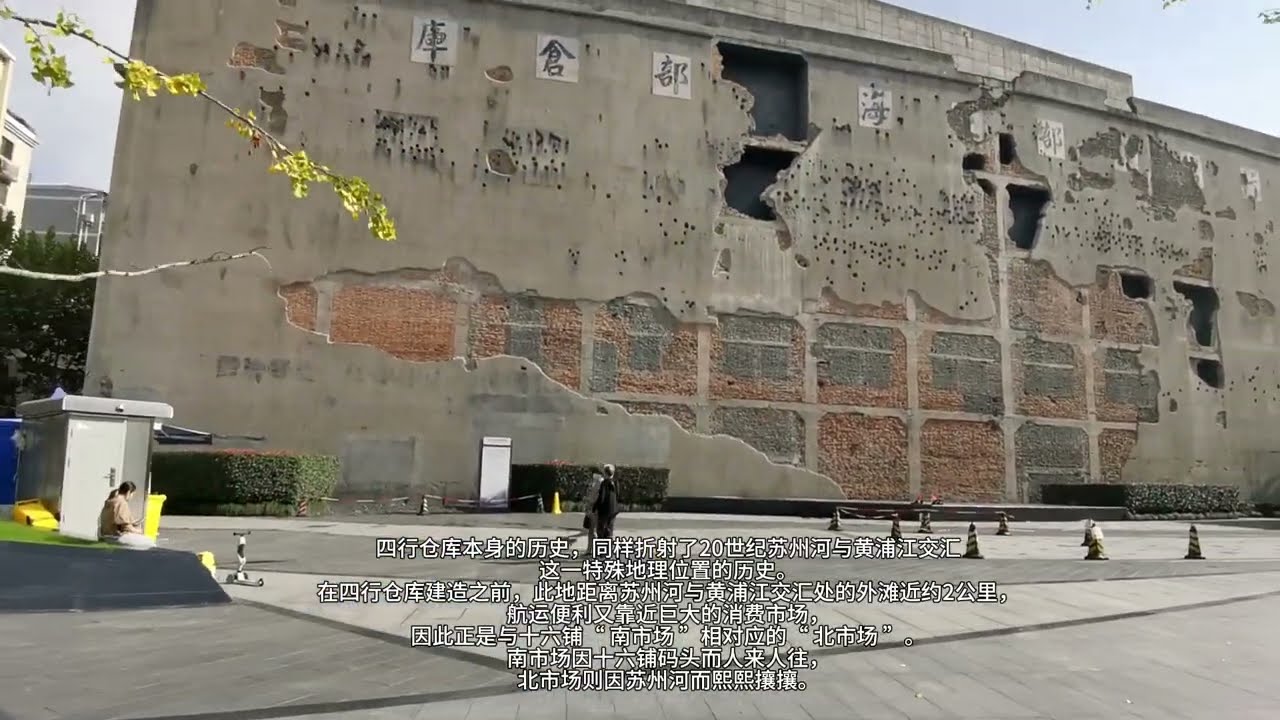
On the western facade, bullet holes and artillery scars have been deliberately preserved. 8 shell holes, over 420 bullet holes, embedded in the mottled concrete. Sunlight strikes them; each depression casts its own small shadow.
Standing beneath the wall, you can see the edges of every hole—some shattered by high-velocity bullets, others scorched by explosives. In October 1937, these holes multiplied over four days and four nights. Each shot was aimed at the 400-plus Chinese soldiers inside.
Chen Shusheng was 21. When the enemy tried to dynamite the warehouse foundation, he strapped grenades to his body and leaped from the fifth floor—dying with the enemy below. Xie Jinyuan wrote to his wife before the battle: “Half of our sacred land is being devoured day by day… The calamity of national subjugation comes from others, but its resolution lies in our own hands”. Young soldiers, most in their early twenties, wrote their first—and last—letters home from this warehouse.
———
But today, the sun is bright.
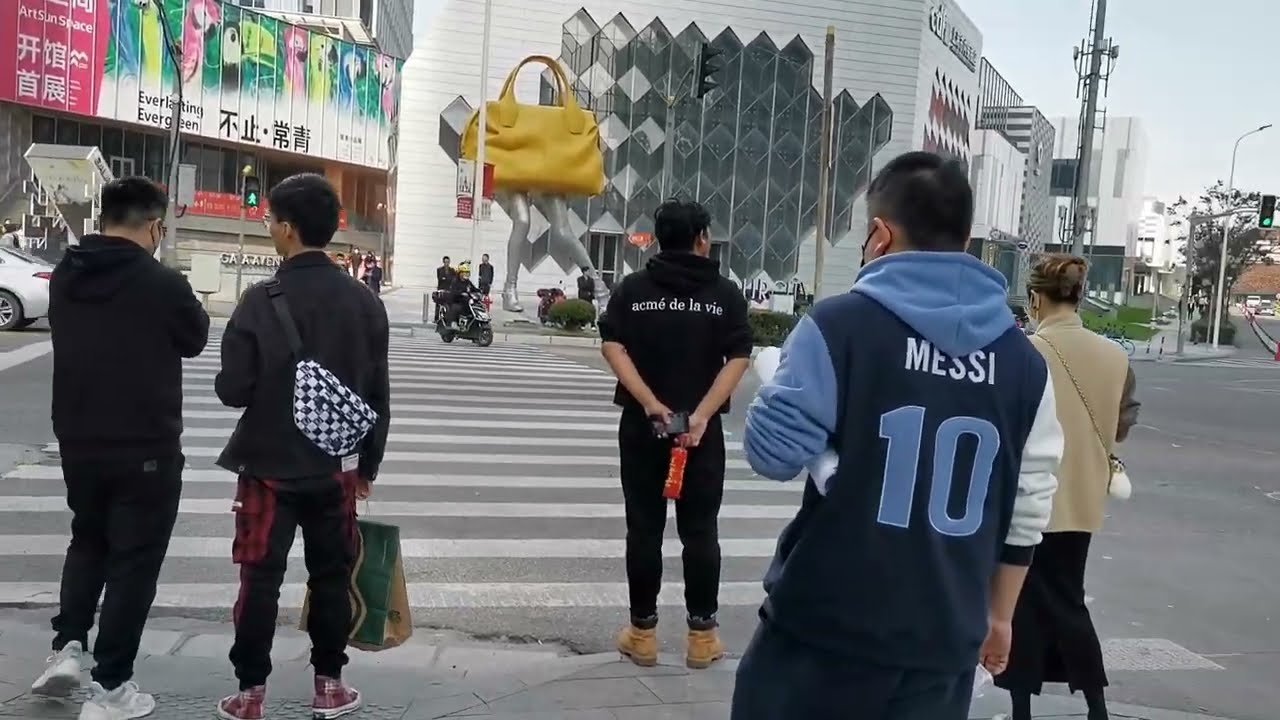
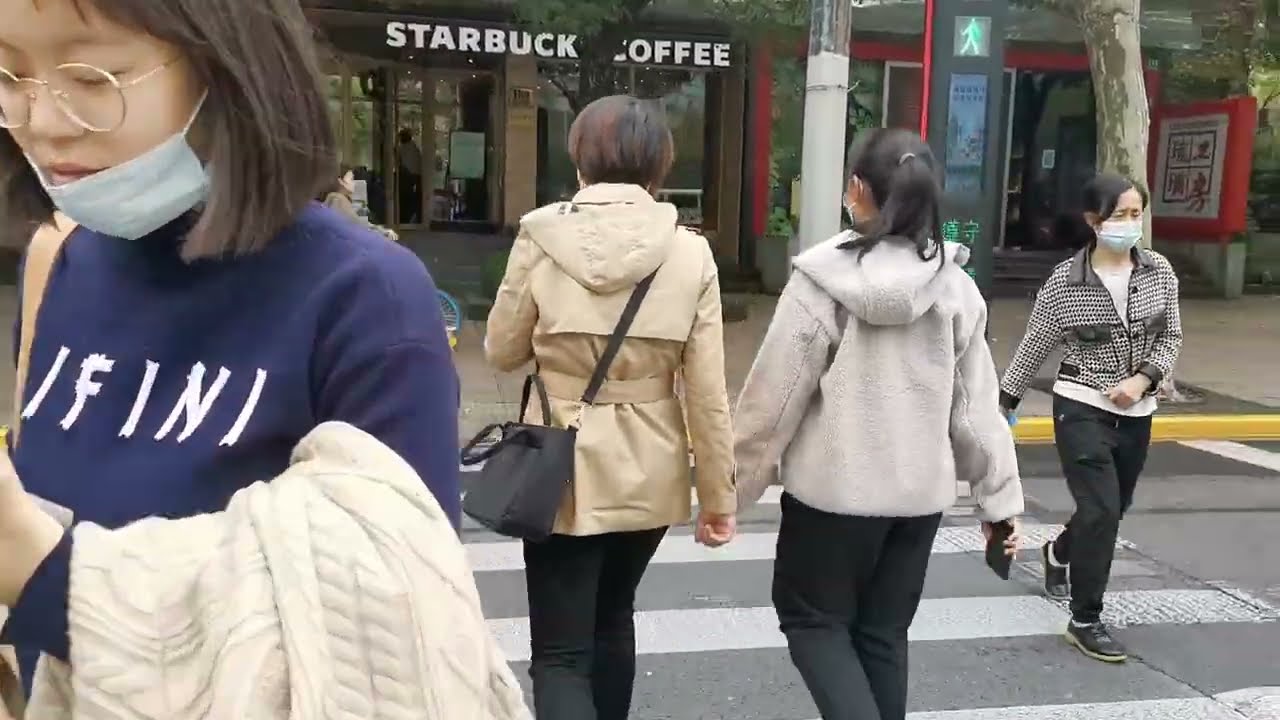
People take photos in front of the wall. Posing. A stroller passes slowly; a baby reaches out. Suzhou Creek is calm, flanked by modern buildings and promenades. On Jin-yuan Memorial Square, elderly people sit in the sun. Young couples lean against the railing for selfies.
I stood before that wall for a long time.
The holes remain. Like eyes, watching everything across from them—watching peaceful days, watching people come and go, watching a present that seems to have nothing to do with them.
———
Inside the memorial hall, a Wall of Heroes bears the names of 354 confirmed soldiers. Blank spaces wait for those still unidentified. Exhibits include Xie Jinyuan's letters, grenade fragments, blood-stained clothing. A light-and-sound theater recreates the four-day siege.
But most people don't go inside. They pause before the wall for a few minutes, then continue walking along Suzhou Creek.
———
Perhaps this is the nature of history.
War ends. Time moves on. The blood-soaked battlefield becomes today's urban landmark. Heroes' names are carved on walls—but not carved into every passerby's daily consciousness.
Yet the wall remains. It doesn't need to be remembered by everyone. It simply stands there, in its own way, reminding: in 1937, some people chose not to retreat.
———
Where do we begin to understand a city, a history?
We begin by entering the memorial hall and reading every letter.
And we begin by standing before the wall—watching sunlight fall on bullet holes, watching strollers pass by.
We begin with that moment of feeling “it has nothing to do with me”—and then realizing: to be able to feel unrelated is because some once could not afford to be unrelated.
The sun shone brightly that day.
The waters of Suzhou Creek were calm.
I stood before the wall for a long time. I didn't go inside.
Later, I regretted it a little.
But perhaps, next time, I will go in and look at the names.
#慢下来看世界 #应该从哪里开始了解一座城市 #别赶路去感受路 #文化遗产 #城市历史 #城市漫游 #上海 #四行仓库 #八百壮士 #苏州河 #谢晋元 #铭记历史
#SlowDownSeeTheWorld #WhereToBeginUnderstandingACity #DontRushFeelTheRoad #CulturalHeritage #UrbanHistory #CityRoaming #Shanghai #SihangWarehouse #EightHundredHeroes #SuzhouCreek #XieJinyuan #RememberHistory #WanderingWithYeJun #YeJunsWorld #NotesOfAWanderer #WhereToBegin
2022年11月21日,上海。阳光很好的一天。苏州河边,四行仓库。电影《八佰》里“八百壮士”英勇抗日的地点。
———
那堵墙还在。
西墙上,密密麻麻的弹孔和炮痕被刻意保留下来。8个炮弹孔,420多个枪弹孔,嵌在斑驳的混凝土里。阳光打在上面,每一处凹陷都投下细小的阴影。
站在墙下,能看清每个弹孔的边缘——有些是子弹高速穿透时崩裂的,有些是炮弹炸开后留下的灼烧痕迹。1937年10月,这些孔洞在四天四夜里不断增多,每一发都对着楼里的四百多名中国军人。
陈树生21岁。当敌人试图炸开仓库墙基时,他把手榴弹捆满全身,从五楼纵身跃下,与敌同归于尽。谢晋元在战前给妻子写下家书:“我神州半壁河山,日遭蚕食,亡国灭种之祸,发之他人,操之在我”。那些20岁上下的新兵,很多人在此写下生平第一封、也是最后一封家书。
———
但现在,阳光很好。
有人在墙前拍照,摆出打卡的姿势。有人推着婴儿车慢慢走过,孩子咿咿呀呀地伸手要抱。苏州河的水很静,两岸是和平年代的楼群和步道。晋元纪念广场上,老人坐着晒太阳,年轻情侣靠着栏杆自拍。
我站在那堵墙前,看了很久。
弹孔还在。那些孔洞像一双双眼睛,看着对面的一切——看着岁月静好,看着人来人往,看着这个与自己似乎“无关”的今天。
———
纪念馆的英名墙上,镌刻着已确认的354位壮士姓名。那些空白处,留给还没有找到名字的人。馆内陈列着谢晋元的家书、当年的手榴弹壳、血衣残片。光影剧场还原着四天四夜的鏖战。
但更多人没有走进馆内。他们只是在墙前停留几分钟,然后继续沿着苏州河往前走。
———
这或许就是历史的常态。
战争结束,时间继续。曾经的血肉战场,变成今天的城市地标。英雄的名字刻在墙上,也刻不进每一个路过者的日常。
可那堵墙还在。它不需要被每个人铭记,它只是在那里,用自己的方式提醒:1937年,有人在这里选择不撤退。
———
我们可以从何处开始了解一座城市、一段历史?
可以从走进纪念馆、细读每一封家书开始。
也可以从站在墙前,看阳光打在弹孔上、看婴儿车从旁边经过开始。
从那一刻的“与自己无关”开始,然后意识到——能无关,是因为有人曾不能无关。
那天阳光很好。
苏州河的水很静。
我在那堵墙前站了很久,没进去。
后来我有点后悔。
但也许,下次来的时候,我会进去看看那些名字。
Повторяем попытку...
Доступные форматы для скачивания:
Скачать видео
-
Информация по загрузке: