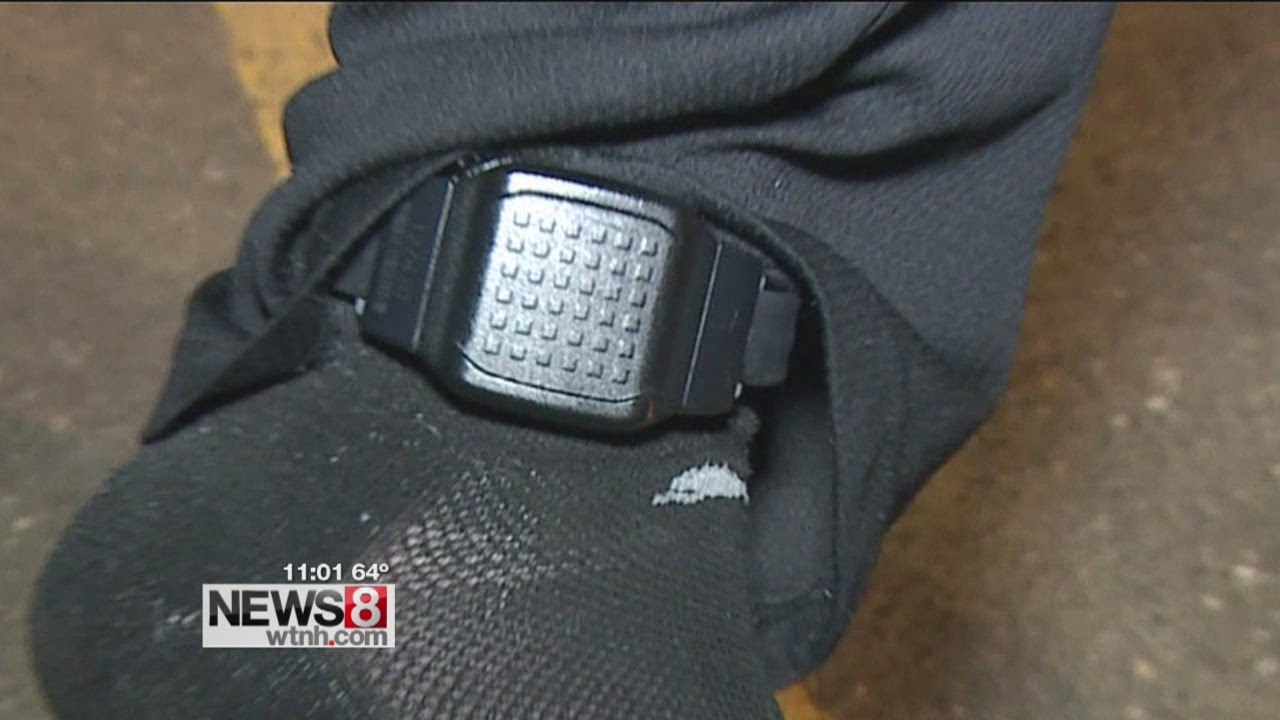
A look at the problems of electronic monitoring devices used on 5,000 immigrants
Автор: AP Archive
Загружено: 2015-07-31
Просмотров: 2549
Описание:
(18 Oct 2013) Immigrants living in the US illegally who are required to wear electronic tracking bracelets say they feel ashamed, isolated and trapped.
There were about 5,000 immigrants in the US who were forced to wear ankle bracelets from January to May 2013, according to the Immigration and Custom Enforcement (ICE) agency.
Thirty-eight-year-old single mother Diana Hernandez has been wearing the bracelet since January 2012.
Hernandez lives with her young daughter Juliette in Plantation, Florida, a city about 65 kilometres (40 miles) northwest of Miami.
She's awaiting deportation to Honduras, her native country.
The electronic bracelet on her ankle has a GPS device that allows the ICE to monitor her whereabouts 24 hours a day.
The device is made of strong, heavy plastic, about one and a-half inches (four centimetres) wide and with a battery that sticks out and must be plugged into an electric outlet to be charged.
The ankle bracelet is meant to be an alternative to costly detention.
But freedom has come at a steep price.
"I feel ashamed. I feel bad. Because I am a lady. I'm no longer a teenager. I feel that it (tracking bracelet) makes me even older. I feel very much denigrated," Hernandez said.
According to Hernandez, she must go one day a week to the offices of BI Incorporated in Miami, the contractor in charge of monitoring her since 2009.
BI Incorporated reports to the immigration authorities
In most cases, people who wear the bracelets have to comply with at least one of the following monitoring methods: going to immigration service's offices, making phone calls with voice-recognition technology and receiving visits from immigration agents at home.
Congress authorised the bracelets in 2002 as an alternative to detentions, in order to monitor people who are awaiting deportation and make sure that they show up in court.
The bracelets make it easier to enforce repatriations and prevent escapes, ICE said.
US government officials say the bracelets are for people who pose a risk to public safety.
Immigration attorney Marcial de Sautu who works in Miami said the government decides whether a person will be required to wear a bracelet depending on the "risks of that person becoming a fugitive, or if the government thinks the person is not going to report or go to the immigration court, or - if the person has a deportation order."
Twenty-year-old Belky Rubio, an immigrant living in the Miami area illegally, is awaiting deportation to El Salvador, her native country.
Rubio lives with her cousin who's a legal US resident.
She is required to wear an electronic bracelet.
Rubio did not want to show her face on camera because of death threats in her home country but said she left El Salvador after receiving death threats from a gang.
She crossed the border from Mexico into the US in April.
Rubio wears trousers to hide the bracelet, but she says the battery is heavy and brushes against her leg, making it hard to walk.
She said the ankle bracelet makes her feel like a prisoner.
"I feel strange, I feel ugly, I can't walk around like I did before. Practically, one is free, but in this country, you can never be free," Rubio said.
Rubio hopes to stay in the US on a U visa after reporting abuses she suffered on US soil. She says she was physically and sexually abused in Texas by men involved in human smuggling.
Hernandez, who came to the US in 2004 dreaming of making enough money to send to relatives in Honduras and maybe have a house built there, worked as a cleaning lady in private homes.
Other times she has missed work due to immigration court dates.
Find out more about AP Archive: http://www.aparchive.com/HowWeWork
Twitter: / ap_archive
Facebook: / aparchives
Instagram: / apnews
You can license this story through AP Archive: http://www.aparchive.com/metadata/you...
Повторяем попытку...

Доступные форматы для скачивания:
Скачать видео
-
Информация по загрузке: