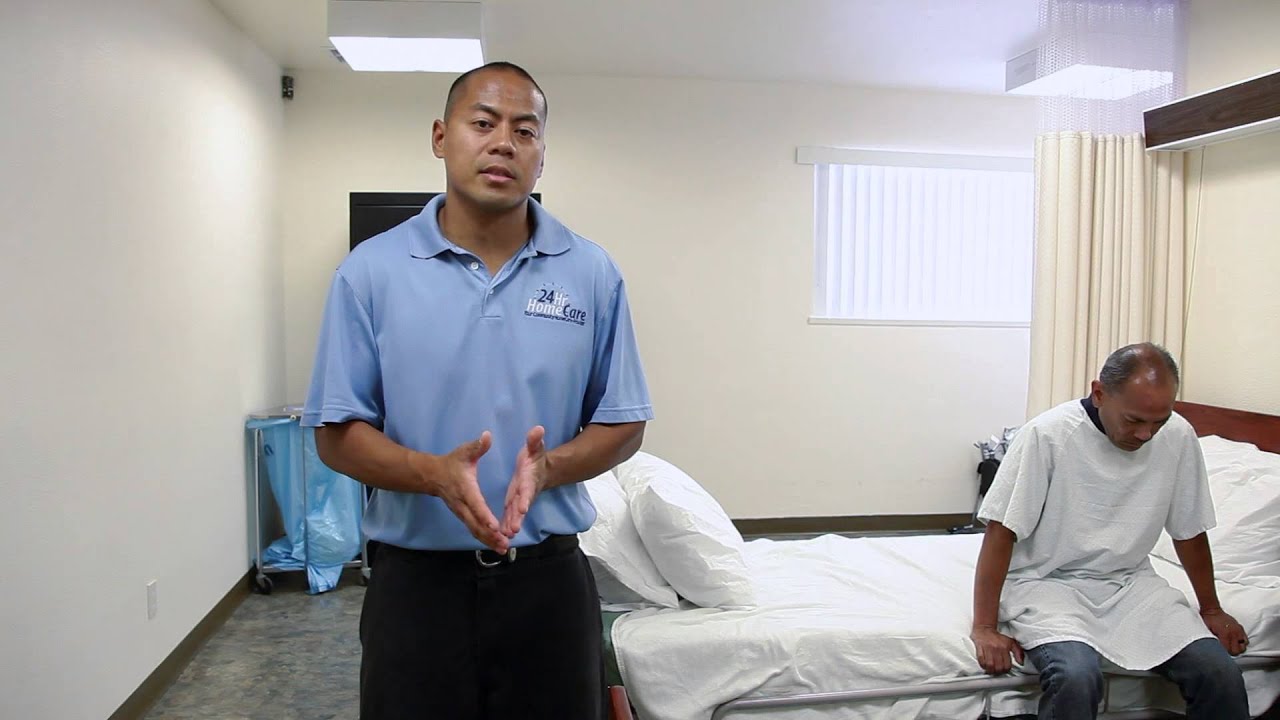
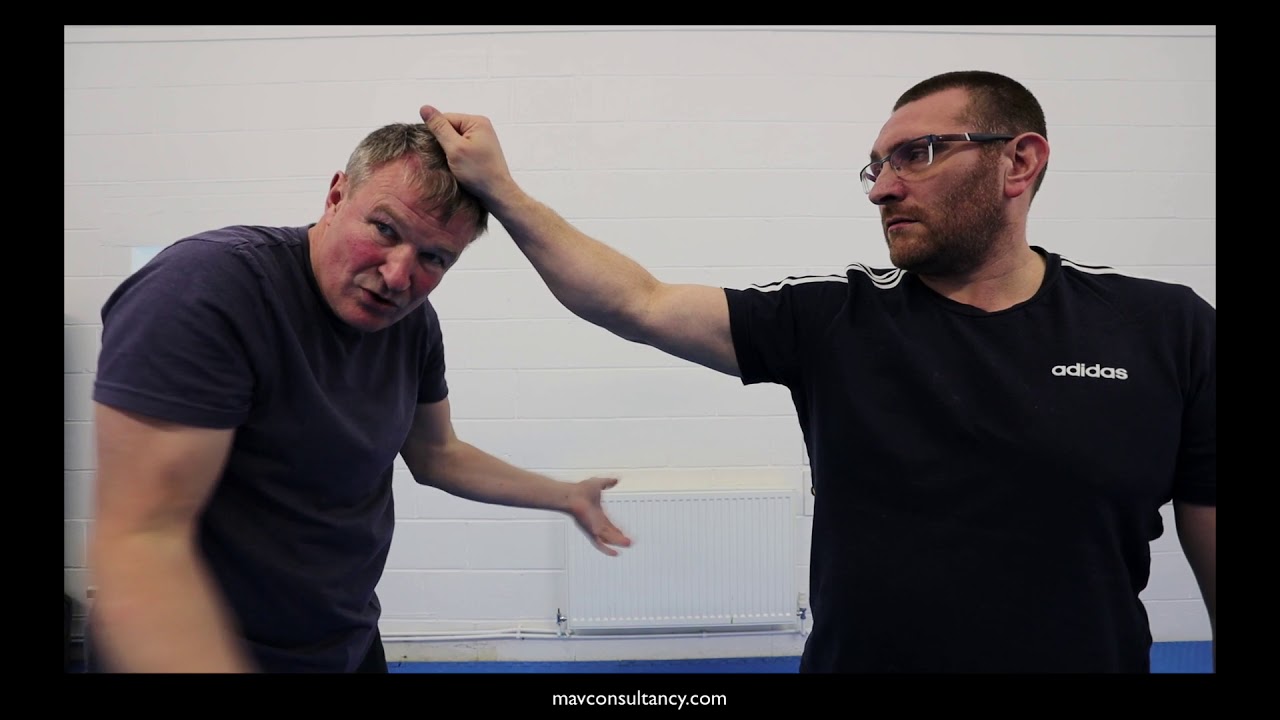
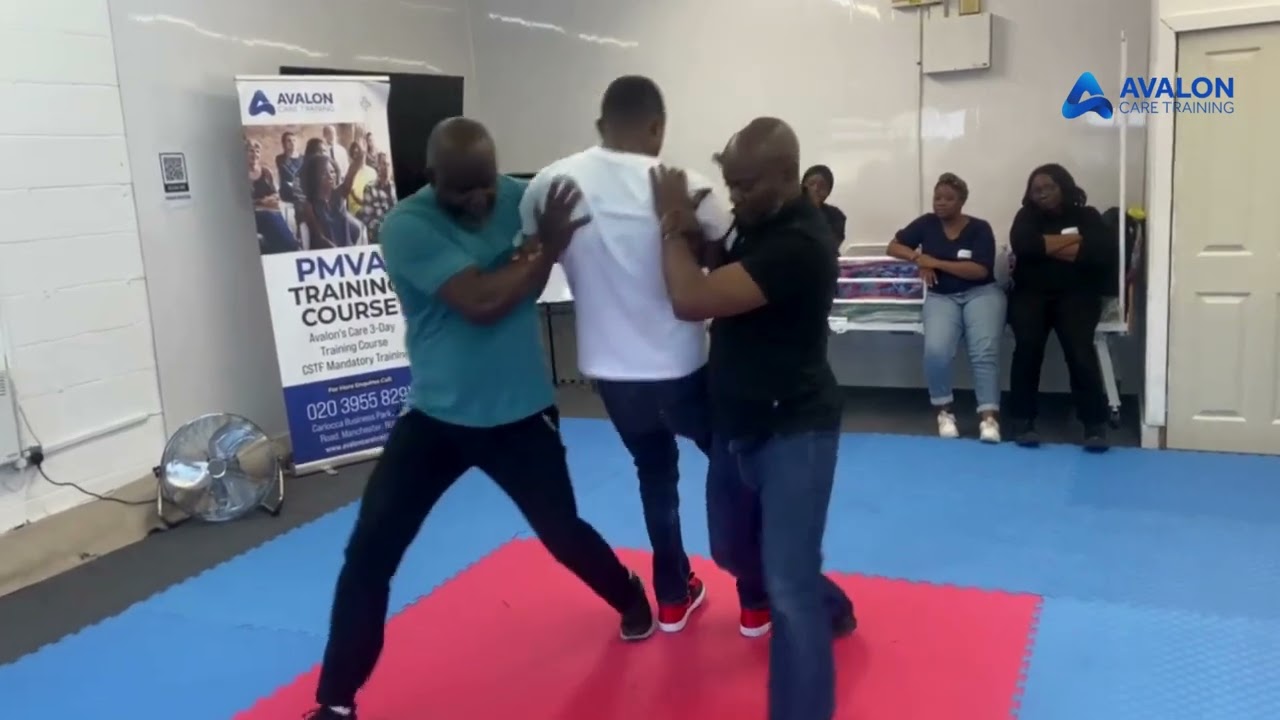
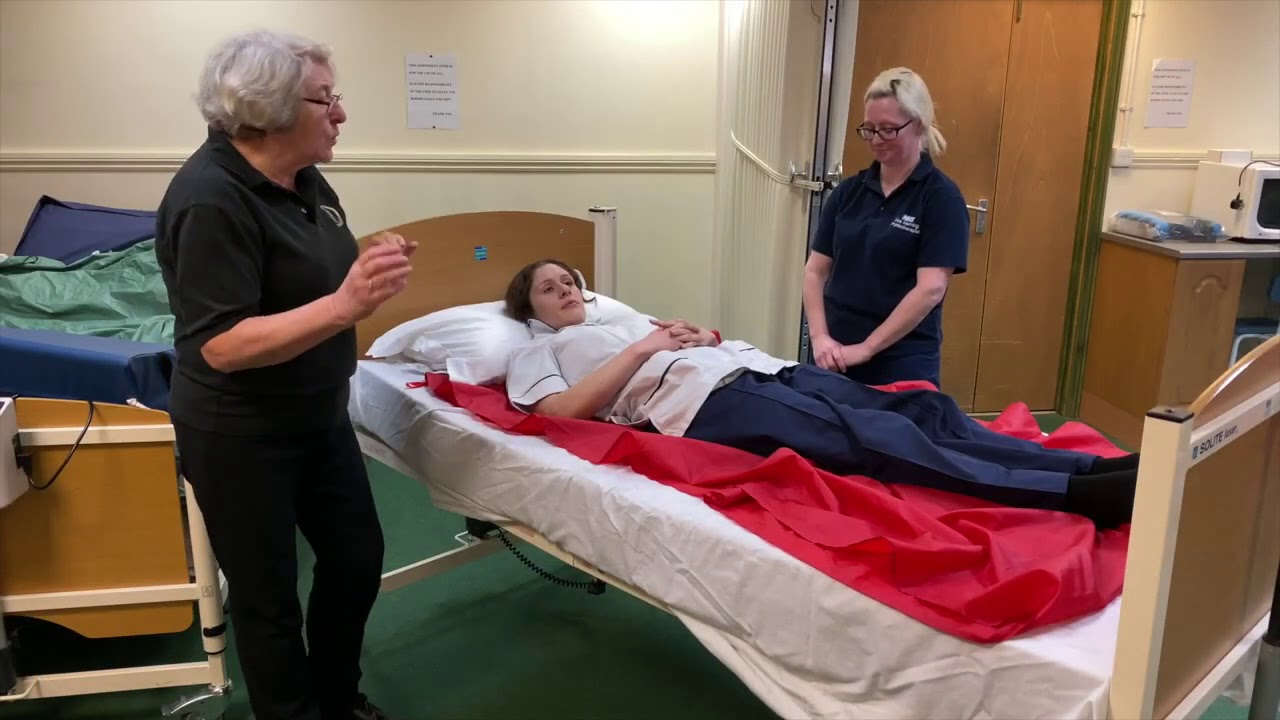
Breakaway Training for NHS Social Care or Community based Staff and Teams - protect against violence
Автор: Dynamis Training
Загружено: 2020-04-18
Просмотров: 6496
Описание:
www.dynamis.training/breakaway
Breakaway Training Course
-Develop good Personal Safety habits
-Recognise signs of escalating aggression
-Deploy effective Body Language and Positioning
-Survive and Escape from Common Assaults
-Practice the Attitudes needed for self-protection.
Breakaway training from Dynamis has been designed to enable Public-Facing staff faced with the imminent threat of violence or a violent assault with the appropriate attitudes and tactics for personal safety. Some roles within the NHS and Social Care for example carry this risk, particularly those working in Dementia, Learning Disability and Mental health roles. If danger can not be avoided any other way, staff should breakaway or disengage from violence and move towards safety using appropriate personal safety or self-defence skills.
Legal Basis
Our breakaway training incorporates a comprehensive explanation of UK Common and Criminal Law regarding assault and use-of-force for self-defence or disengagement in a work context. This includes the Duty of Care perspective and Human Rights obligations. Our breakaway training delivers you risk-control as the employer, and appropriate but effective breakaway skills for your public-facing staff.
This training course teaches a quickly-learned and easily-retained method of breakaway and disengagement.
Easily Learned and Retained Well Over Time
Staff often fail to reproduce their classroom-learned breakaway skills in operational contexts when they have been taught too many techniques in too little time which have not been rigorously tested for use.
This was highlighted in the results of a study conducted by Dickens and Rogers in 2009, entitled: “An audit on the use of Breakaway Techniques in a large psychiatric hospital: a replication study”
“Perhaps…in the heightened state of arousal caused by a real assault people would use any techniques that would work at the time. Our finding that 80% of participants managed to break away successfully without using the taught techniques does give credence to this, suggesting that breakaway methods that centre on natural instinct as opposed to highly technical manoeuvres are likely to be recalled more successfully” — Journal of Psychiatric and Mental Health Nursing 2009,
Breakaway Training Learning Outcomes
Health and Safety principles for managing safety in the workplace (Duty of Care) during a breakaway incident.
Principles of resolving conflict using non-physical means where possible prior to needing breakaway.
Managing proximity using body-language ‘barrier signals’ for protection and breakaway
Escape route selection and movement in confined spaces (bedrooms, toilets, corridors, lifts etc.)
Legal rules on the use of reasonable force in self-defence or breakaway situations
The risks inherent in breakaway and self-defence scenarios and how to reduce or avoid them.
Practical ways – including a small number of physical skills which can be broadly-applied – for staff to protect and safeguard themselves and disengage from the most common assaults prevalent in care services.
When: Usually 1 Breakaway Training Day on a date scheduled for your convenience
Who: up to 15 staff are led throughout the Breakaway skills method by one Dynamis trainer. Suitable for staff who may need to protect themselves and breakaway from combative behaviour from patients or clients in health, social care, housing or any other role dealing with the public.
Where: at your venue in a room or rooms where you have adequate safe space for the trainees to move around and practice skills safely without risks of slip, trip or fall hazards.
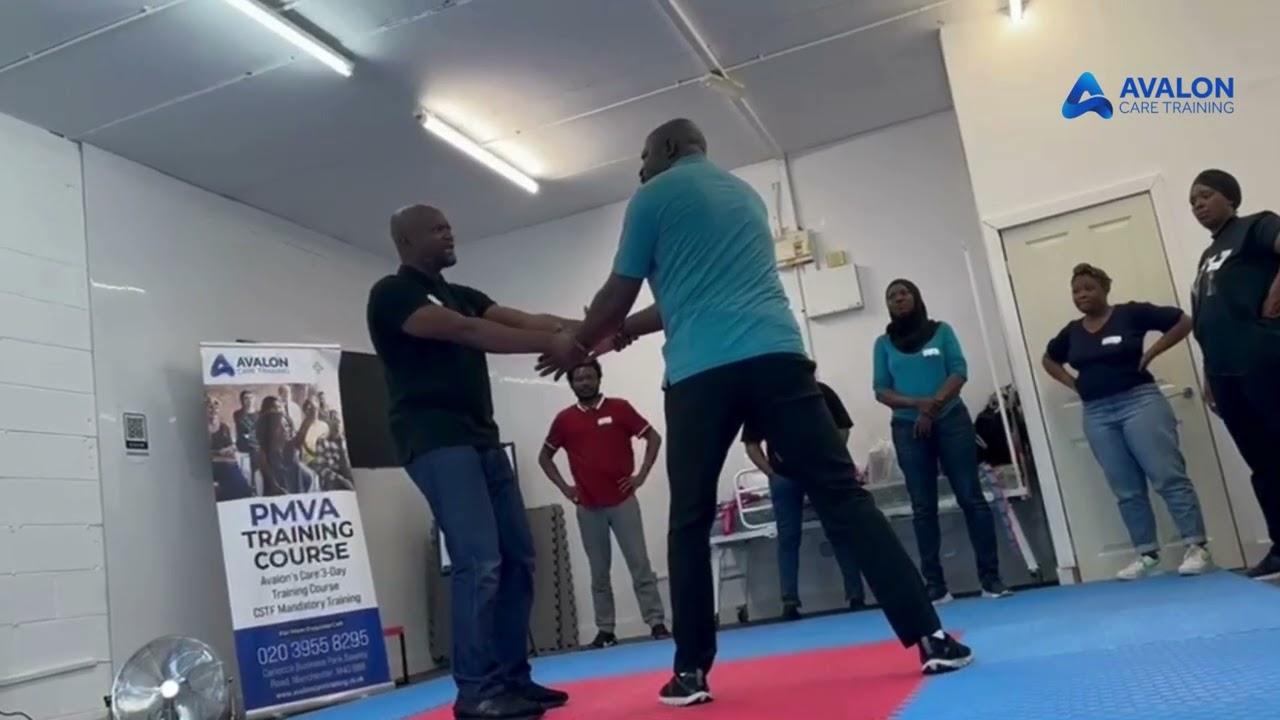
How: Our trainers deliver this breakaway training course using a mix of lecture/presentation, Q&A, physical practice and scenario rehearsal.
Why: ✓ Matched to your needs ✓ Led by Professional Trainers ✓ Legally Audited ✓ Fully Risk-Assessed ✓ Values Dignity and Respect ✓Safeguards Client rights ✓ Offers Staff Practical Options ✓ Compliant with Government Regulations ✓ Value for Your Investment
A typical set of physical skills developed on our Breakaway Training Course would be as follows:
Managing Proximity while approaching unpredictable persons 10-5-2
Managing Proximity using a 2-5-10 rule away from danger
Understanding ‘Instinctive Protection’ when suddenly assaulted
Connecting ‘Instinctive Protection’ to sudden stimulus
Building ‘Frames’ which naturally protect the body
Strengthening the Frames
Maintaining balance during movement
Protecting our consciousness as a priority
Survival versus Hair Grab or Hair Pull
Survival versus Limb Grabs
Survival versus Biting, Pinching, Scratching
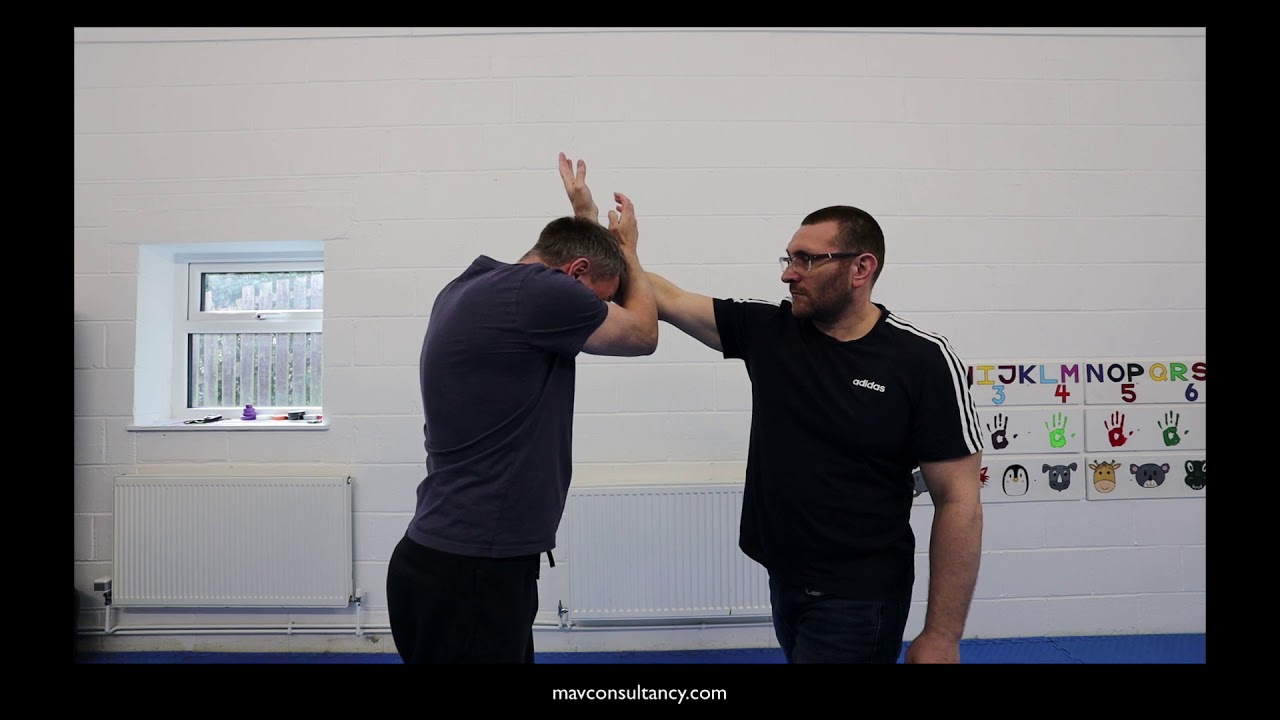
Survival versus being punched, hit or slapped in the head
Survival versus throat grabs
Escape tactics for disengaging (Breakaway) from the assailant
Personal Safety, Conflict Management and Physical Restraint Training and Advice from Sector Experts at Dynamis and Director of Training Gerard O'Dea.
Повторяем попытку...
Доступные форматы для скачивания:
Скачать видео
-
Информация по загрузке: