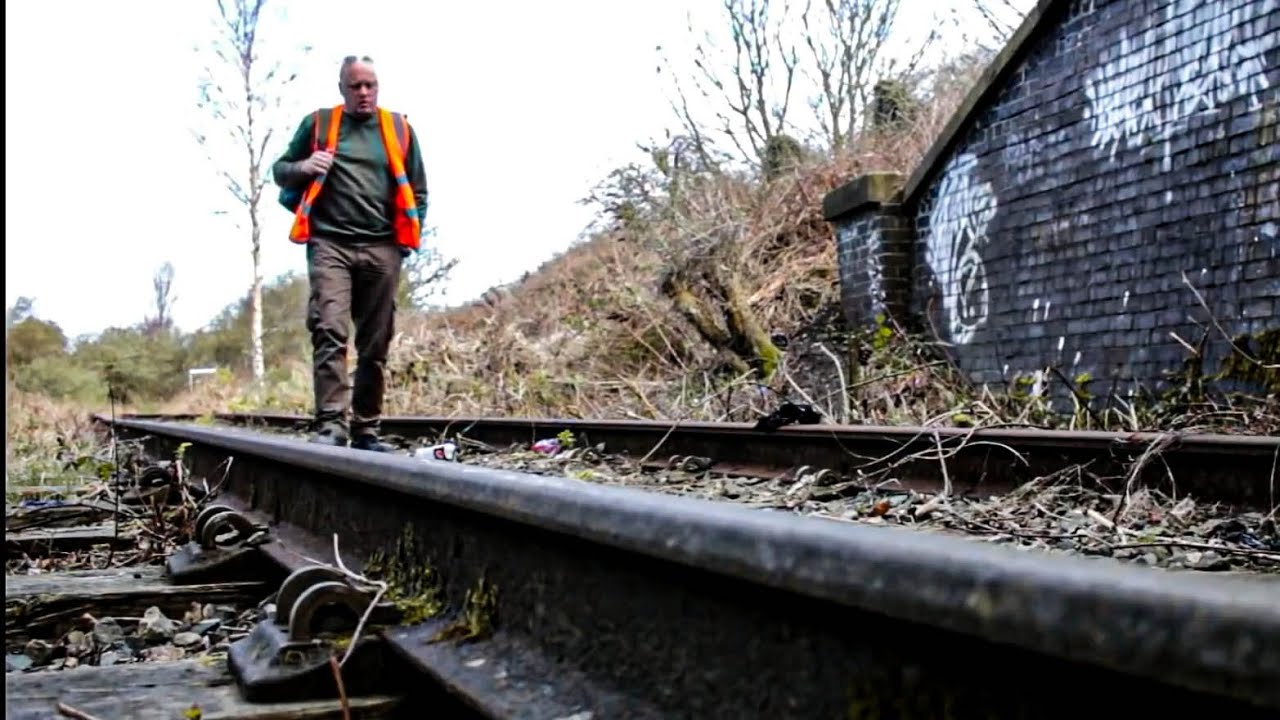
Tragedy On The Abandoned Brock (Barton) Railway Station
Автор: Nodrog
Загружено: 2019-07-19
Просмотров: 8081
Описание:
Here on the West Coast mainline between Preston to the South and Lancaster off to the North Brock Station’s previous location was called Roebuck.
It was built in 1840 and lasted nine years before it was de-commissioned. This station was just East off Billsborrow lane in a little area known locally called Duncomber. The original station was named because of the nearest house or Inn then called Roebuck Inn. Now known as the Roebuck hotel.
The bridge over the river was also called Roebuck bridge, a structure more impressive than the station. Why? well the station probably had no platform, or station buildings, it’s mentioned it was only a small little box or sentry box beside the track.
As much as I’ve tried to find out more unfortunately Roebuck is nothing more than committed to history like a railway ghost. But unlike Roebuck around 1849 a new station was built to accommodate the ever inflating popularity of the railways.
This area has always been an area for long distance travel. From Preston to Cumbria some form of path or way has been here. Parts of the A6 road follows a Roman road especially the further north you get near Penrith.
This stretch we now know as the West Coast Mainline was completed when the Lancaster and Preston Junction Railway opened in it 1840. Brock station was built about half a mile north of Roebuck which survived until 1939. The goods station remained here for a further 15 years.
The line still exists, and will do for many years to come. Originally built by by different companies between the 1830s and the 1880s. After the completion of the successful Liverpool and Manchester Railway in 1830.
This part was built by the Lancaster and Preston Junction Railway and the Lancaster and Carlisle Railway, later the whole section was absorbed by the LNWR.
The route came under the sole control of the London, Midland and Scottish Railway (LMS) on 1 January 1923 when the different railway companies were grouped, under the Railways Act 1921.
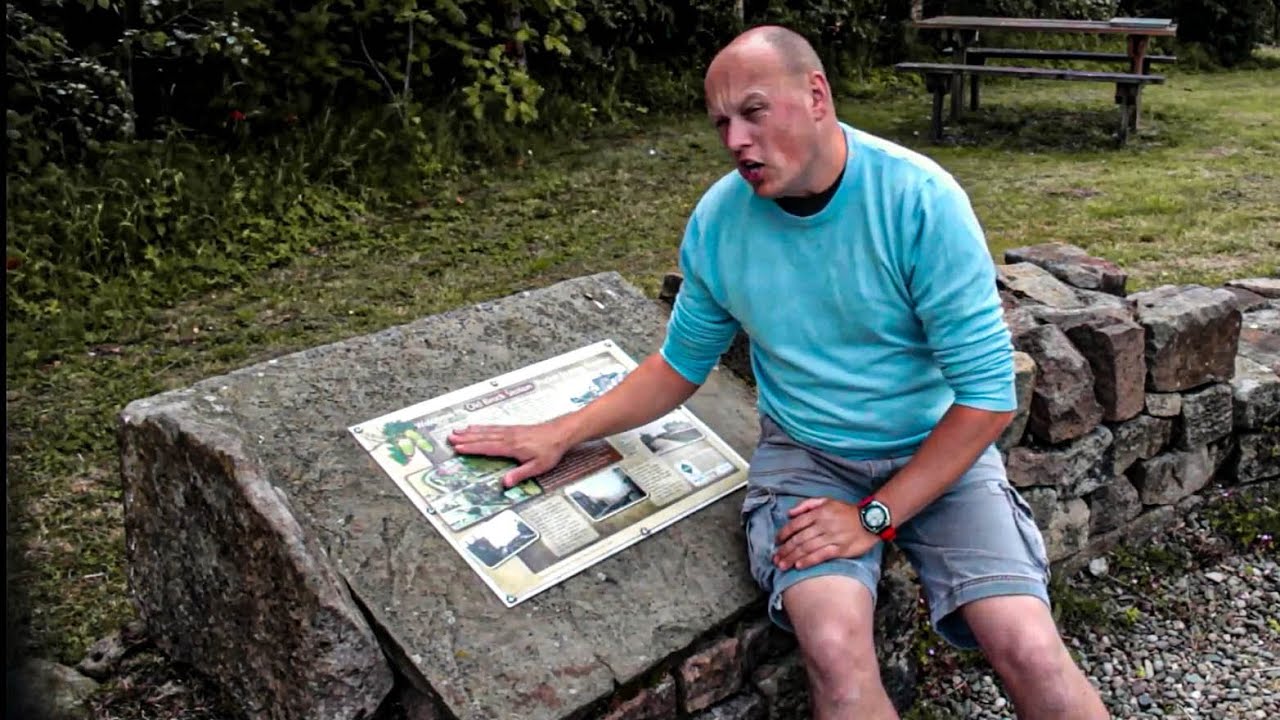
A lot of history over the years especially since the 1955 modernisation plan, when the line was modernised and electrified in stages between 1959 and 1974. Today is just a public footpath area beside the river. A popular spot for rail enthusiast. A picnic area beside a pond, wedged neatly between the M6 and A6 roadway.
The railway line is still firmly here. Who knows what the next chapter in this section of rail travel will hold.
© Nodrog
Повторяем попытку...
Доступные форматы для скачивания:
Скачать видео
-
Информация по загрузке: