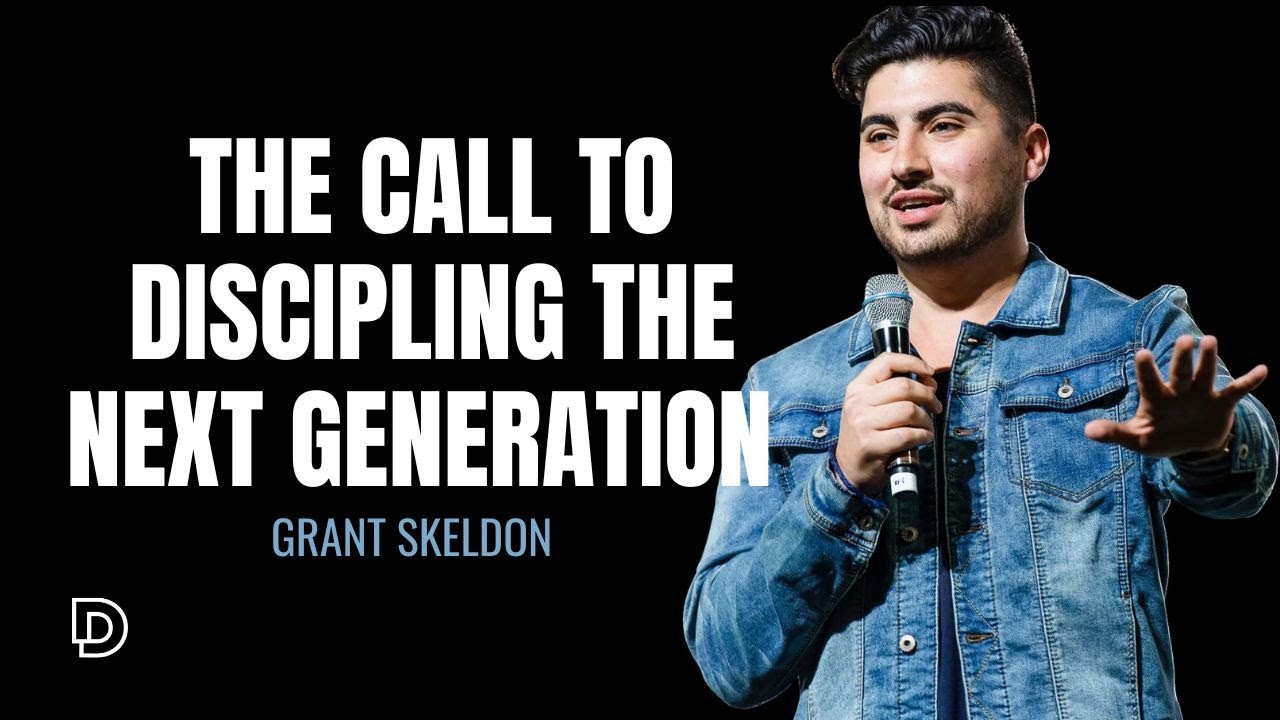
From Tadpoles to Fishers of Men: The Call to Discipling the Next Generation | Grant Skeldon
Автор: Discipleship.org
Загружено: 2025-09-03
Просмотров: 377
Описание:
Grant Skeldon shares his personal story of cultural identity, faith, and the transformative power of discipleship. From growing up in a diverse cultural background to experiencing a life-changing church service, he emphasizes the importance of genuine discipleship over mere mentorship. He argues that the church doesn't have a next-gen problem but a discipleship problem, emphasizing the need to integrate young people into the faith through relational discipleship. By including young people in their daily lives and focusing on making disciples rather than just attracting attendees, leaders can truly impact the next generation. He challenges the conventional methods of church engagement and urges a return to the Great Commission, making the church a more inclusive and mission-driven community.
Check out Discipleship.org for resources on disciple making: https://discipleship.org/resources/
Key Takeaways
00:00 Opening Prayer and Introduction
01:07 Personal Story: Identity and Faith Journey
03:44 The Turning Point: Embracing Christianity
05:17 Cultural Shifts and New Beginnings
08:18 Challenges in Church Diversity and Discipleship
10:46 The Importance of Discipleship Over Methods
11:36 Practical Steps for Effective Discipleship
13:25 The Problem with Overemphasizing Speaking
18:02 Call to Action: Making the Great Commission Great Again
This episode features Grant Skeldon sharing his personal journey and insights on discipleship, identity, and the challenges facing the next generation within the church. The episode opens with a prayer, expressing gratitude for leaders committed to authentic disciple-making rather than simply growing large ministries. Grant’s story is rooted in his multicultural background—half Mexican, half African American—and his upbringing in Dallas, which shaped his understanding of identity and belonging.
Grant recounts a pivotal period in his youth when he faced heartbreak and loss: his girlfriend of three years broke up with him and he was kicked off his basketball team in the same week. These events forced him to confront his sense of self, which had been tied to sports and relationships. Seeking answers, he attended church for the first time on March 8, 2006, where a testimony about misplaced identity in sports resonated deeply with him. Moved by the message and a song by Switchfoot, Grant experienced a spiritual awakening and decided to follow Christ.
His conversion led to significant changes in his social circles and lifestyle, introducing him to new communities and cultural experiences. Two weeks after his conversion, a mentor named Kevin Batista reached out, offering to disciple Grant and challenging him to become a missionary to his own high school. This mentorship provided both vertical (spiritual) and horizontal (missional) dimensions to Grant’s faith, emphasizing the importance of being both a follower of Christ and a leader among peers.
Grant highlights the alarming trend of young people leaving the church after high school, attributing this not to a “next generation problem” but to a “discipleship problem.” He observes that churches often lack the diversity and intergenerational relationships present in other areas of life, and that many young people lack mentors who invest in their spiritual growth. Grant argues that effective discipleship is not about adopting trendy methods or appearances, but about relational investment—inviting young people to “follow me” rather than just “meet with me.”
He distinguishes between mentorship (occasional meetings) and discipleship (integrating others into daily life), urging church leaders to include young people in their routines rather than adding more to their schedules. Grant uses the metaphor of frog development to illustrate how many Christians get stuck in early stages of spiritual growth, never progressing to become disciple-makers themselves. He critiques the church’s tendency to overvalue speaking and underappreciate disciple-making, suggesting that everyone can be a disciple-maker, not just those with public speaking gifts.
Grant calls for a shift in the church’s “scorecard” to prioritize multiplication—raising up learners, leaders, disciple-makers, and multipliers. He notes that organizations like multi-level marketing companies excel at this kind of structured growth, and the church should learn from their clarity and intentionality. Ultimately, Grant urges the church to “make the commission great again” by returning to Jesus’ model of making disciples, believing that this will inspire the next generation to engage deeply with the church’s mission.
The episode concludes with a call to action for church leaders and members to invest in authentic, relational discipleship, ensuring that the church remains a vibrant, cause-oriented community for generations to come.
Повторяем попытку...
Доступные форматы для скачивания:
Скачать видео
-
Информация по загрузке: