Stall for Time
Автор: Grow In Ten
Загружено: 2026-02-20
Просмотров: 11
Описание:
When emotions are high, rational thinking drops.
That’s not philosophy.
That’s neuroscience.
In this Grow In Ten explainer, we break down lessons from former FBI hostage negotiator Gary Noesner — and why his methods apply just as much to leadership, marriage, and customer service as they do to crisis situations.
His first rule?
Stall for time.
Not as avoidance.
As strategy.
1) The Emotional Teeter-Totter
Noesner explains it simply:
When emotion goes up, rational thinking goes down.
Before you solve a problem, you must lower emotion.
In hostage negotiation, that means:
• Slow things down
• Contain the situation
• Open dialogue
• Avoid threats
In everyday life, it means:
• Don’t escalate
• Don’t correct too early
• Don’t “fix” immediately
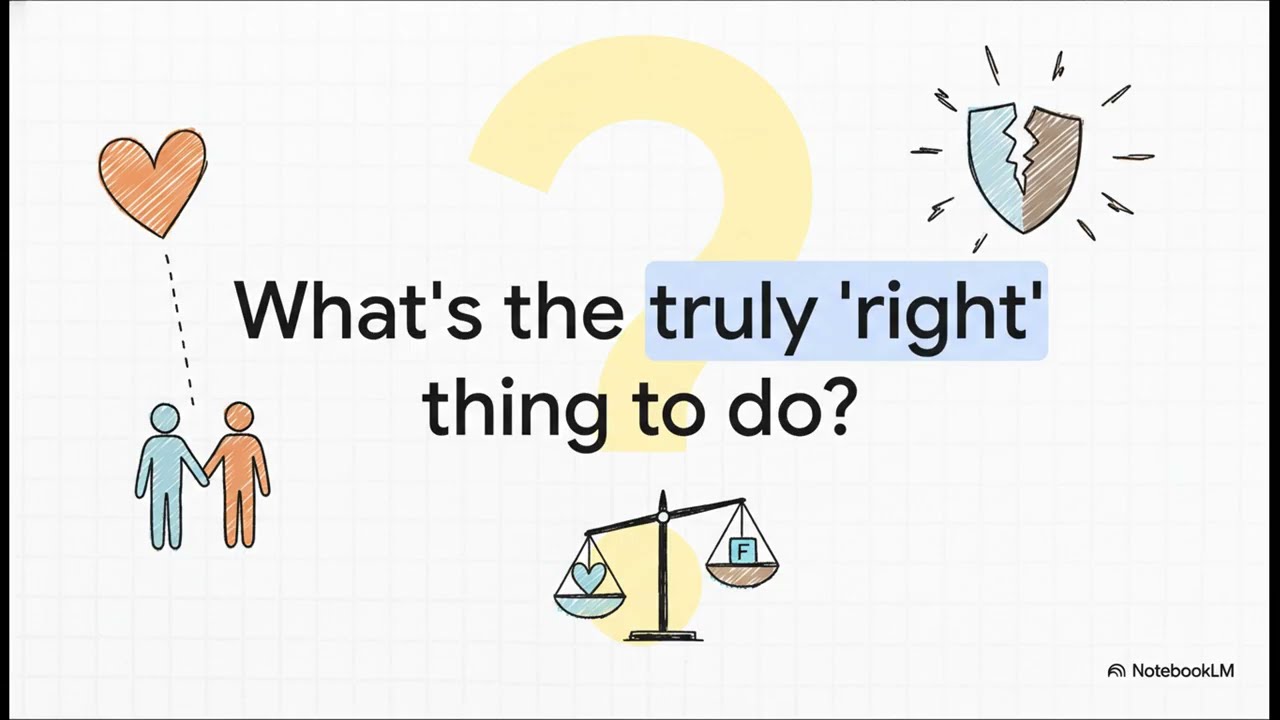
Because logic doesn’t land when someone feels unheard.
2) Cooperation Is the Goal
The negotiation ladder looks like this:
Empathy → Rapport → Influence → Cooperation
Most people try to skip straight to influence.
They say:
“Here’s what you need to do.”
But influence only works after rapport.
And rapport only works after empathy.
Not sympathy.
Empathy.
The difference:
Sympathy says, “I feel sorry for you.”
Empathy says, “I understand how you feel.”
That’s the doorway.
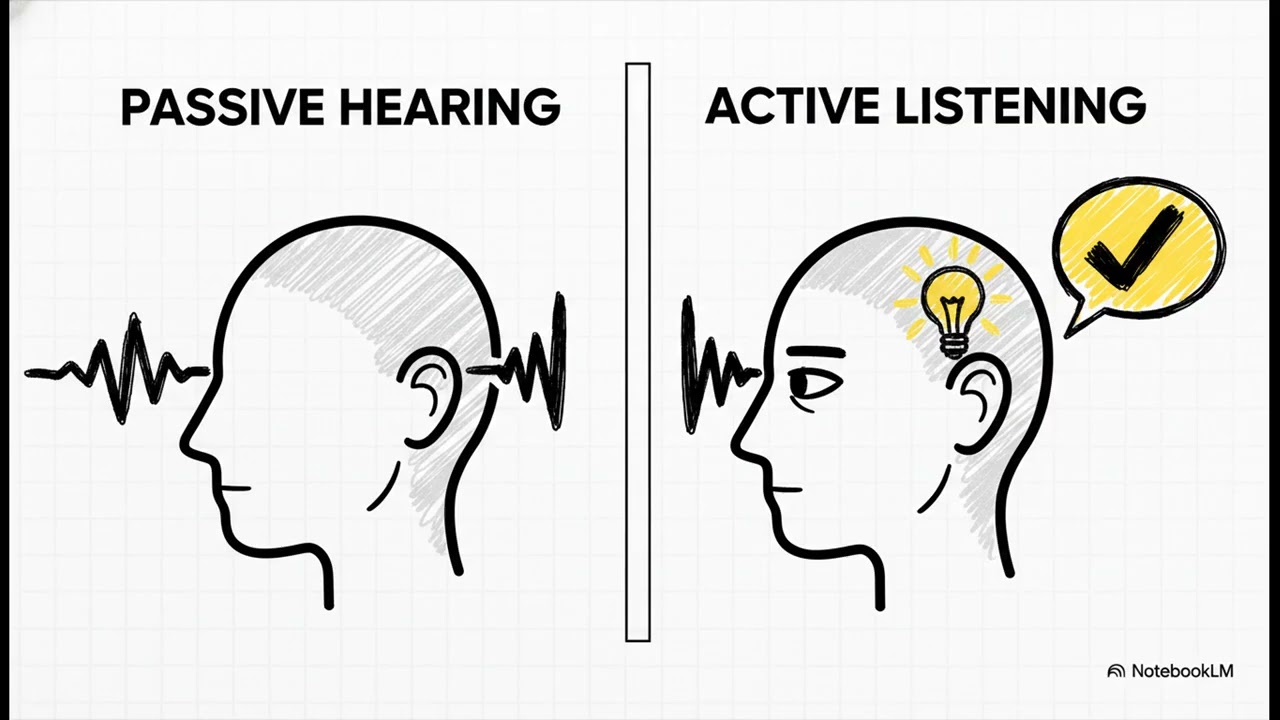
3) Active Listening Is Not Passive
Listening is not silence.
It’s response.
Noesner highlights two key tools:
1) Paraphrasing
Repeat back what you heard.
2) Labeling Emotion
Name how they likely feel.
Example:
“It sounds like you were really frustrated by how that happened.”
When someone says:
“Yes. Exactly.”
That moment builds connection.
People don’t calm down because they’re told to.
They calm down because they feel understood.
4) Why Tone Beats Content
Noesner asked hostage-takers afterward:
“What did I say that made you surrender?”
The answer was always the same:
“I don’t remember what you said.
I just liked the way you said it.”
Tone regulates.
Tone signals safety.
Tone lowers threat perception.
And threat perception is what blocks cooperation.
5) The Common Mistake
When someone comes home stressed and overwhelmed, most of us:
• Offer solutions
• Correct logic
• Jump to problem-solving
That’s operationalizing.
But before operationalizing, you must co-regulate.
First:
“That sounds awful.”
“That must have been frustrating.”
Then — if invited — offer solutions.
6) The Core Principle
If trained negotiators can get armed, desperate people to put down weapons through:
• Patience
• Emotional control
• Calm voice
• Active listening
Then surely we can use the same tools with:
• Angry customers
• Difficult coworkers
• Frustrated partners
• Our own children
The rule:
If you cannot control your own emotions,
you cannot influence someone else’s.
And the final lesson:
How you say something matters more than what you say.
Because cooperation begins with safety.
And safety begins with tone.
Повторяем попытку...
Доступные форматы для скачивания:
Скачать видео
-
Информация по загрузке: