The Story Behind America’s Largest Mansion: Biltmore
Автор: The Manor Codex
Загружено: 2026-02-06
Просмотров: 48
Описание:
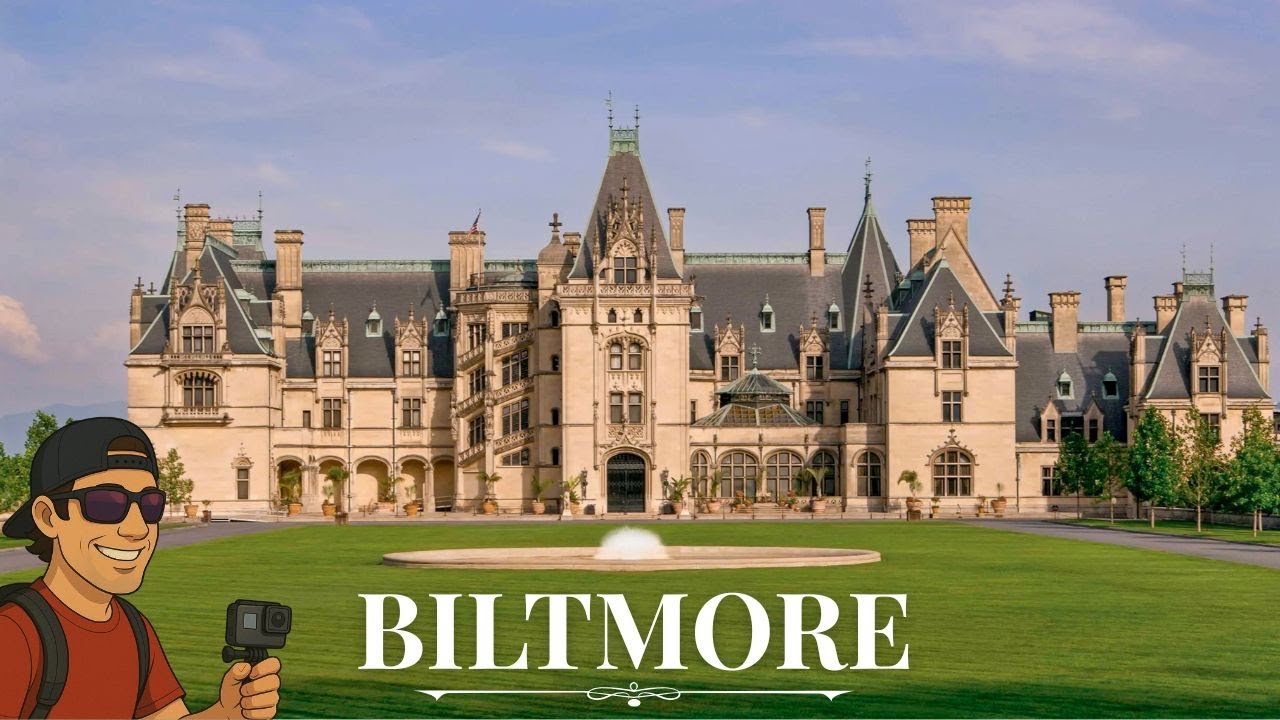
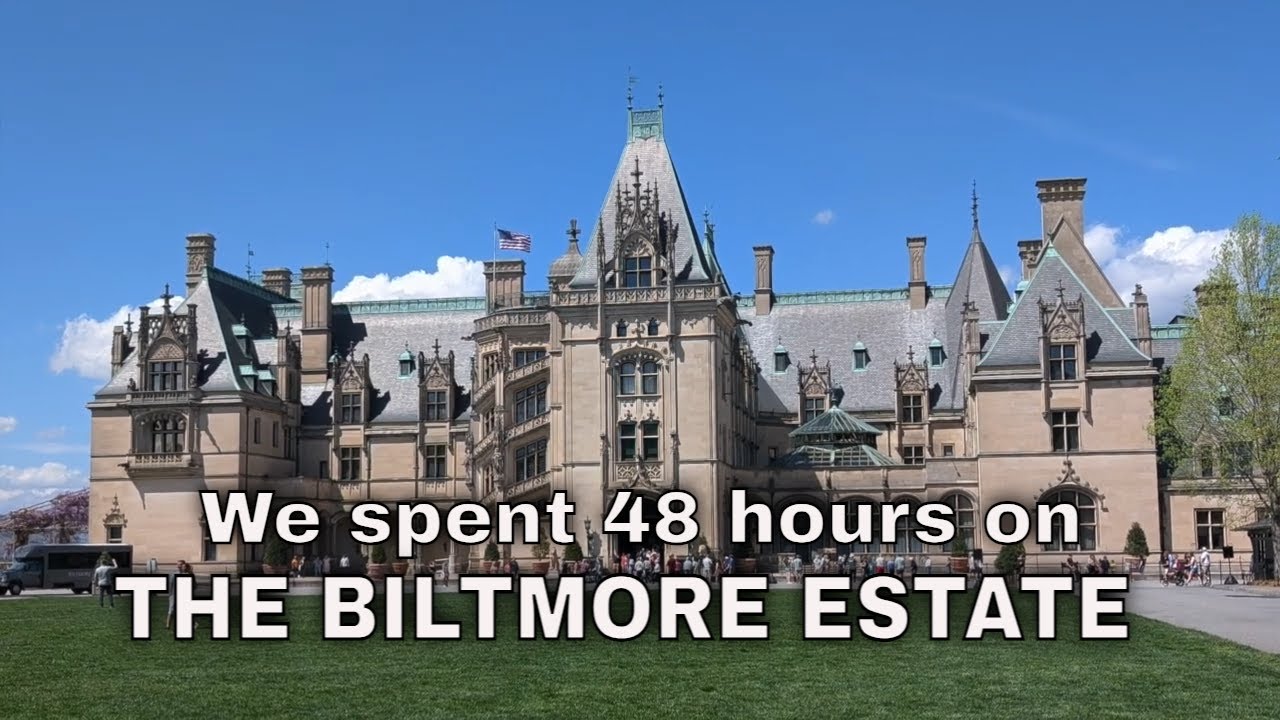
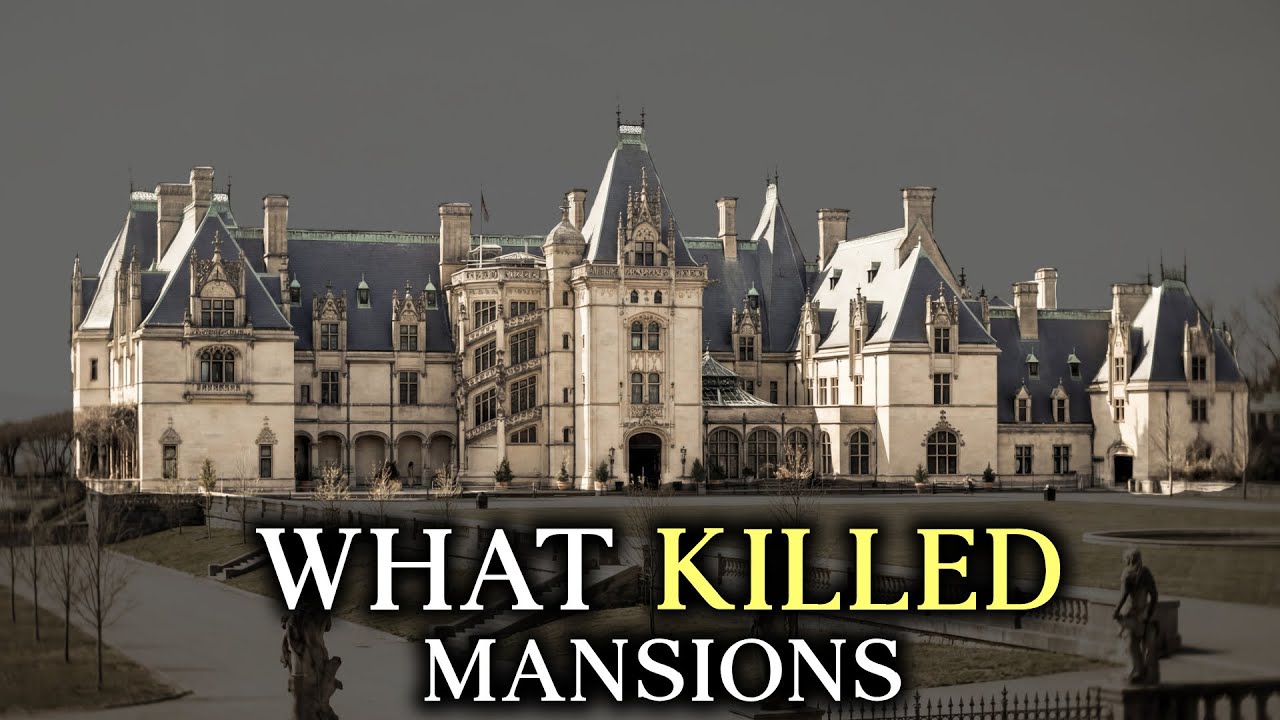
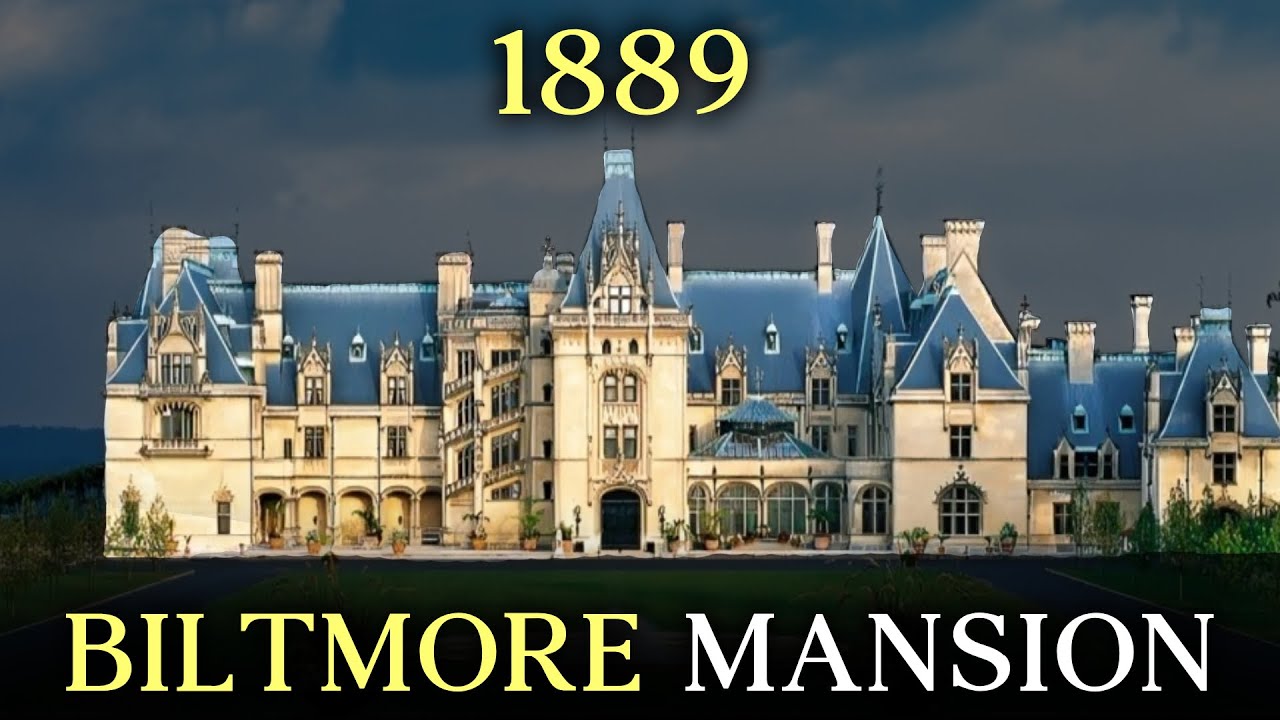
Biltmore Estate in Asheville, North Carolina: a private kingdom built at the height of America’s Gilded Age. In the late nineteenth century, railroad and industrial fortunes reshaped the nation, and George Washington Vanderbilt II constructed a house unlike anything the country had seen. Completed in 1895, Biltmore rose as a French Renaissance château containing more than two hundred rooms, surrounded by thousands of acres of engineered landscape designed by Frederick Law Olmsted. Electric lighting, elevators, central heating, indoor plumbing, and fireproof construction made the estate both a technological marvel and a declaration of absolute wealth. This was power expressed through architecture, scale, and control of land itself. Behind the limestone walls and formal gardens, the estate functioned as a self-contained industrial system. Boilers consumed fuel around the clock, kitchens and laundries operated on a near-hotel scale, and hundreds of workers moved through service corridors, staircases, and outbuildings to sustain the illusion of effortless grandeur. The beauty was intentional, but it was also expensive, labor-intensive, and relentlessly demanding. As the twentieth century advanced, the economic assumptions that made Biltmore possible began to erode. New tax laws, changing social expectations, and the death of George Vanderbilt in 1914 exposed the true cost of maintaining such an enormous private estate. Survival required difficult decisions. Edith Vanderbilt sold vast portions of the surrounding land, creating what would become Pisgah National Forest, reduced staff, and ultimately opened the house to the public in 1930. A private home became a historic attraction, trading privacy for preservation. Because Biltmore adapted rather than disappeared, it remains one of the few Gilded Age estates still operating at scale. Today it stands as both masterpiece and warning. Grandeur does not fail from neglect alone; it fails when purpose and resources no longer align. The ledgers, floor plans, and photographs of Biltmore tell a clear lesson: great houses endure only when someone is willing to carry the cost of keeping them alive.
Copyright & Fair Use Disclaimer
This video is a non-commercial, educational history documentary created for commentary, criticism, and research.
Some archival photos and footage are used under the principles of Fair Use (Section 107, U.S. Copyright Act) for purposes such as criticism, comment, teaching, scholarship, and research.
Повторяем попытку...

Доступные форматы для скачивания:
Скачать видео
-
Информация по загрузке: