ECG INTERPRETATION LIKE EXPERT IN MINUTES | P Wave, QRS, T Wave Explained
Автор: ReLearn Setu
Загружено: 2025-12-27
Просмотров: 63
Описание:
ECG INTERPRETATION LIKE EXPERT IN MINUTES | P Wave, QRS, T Wave Explained
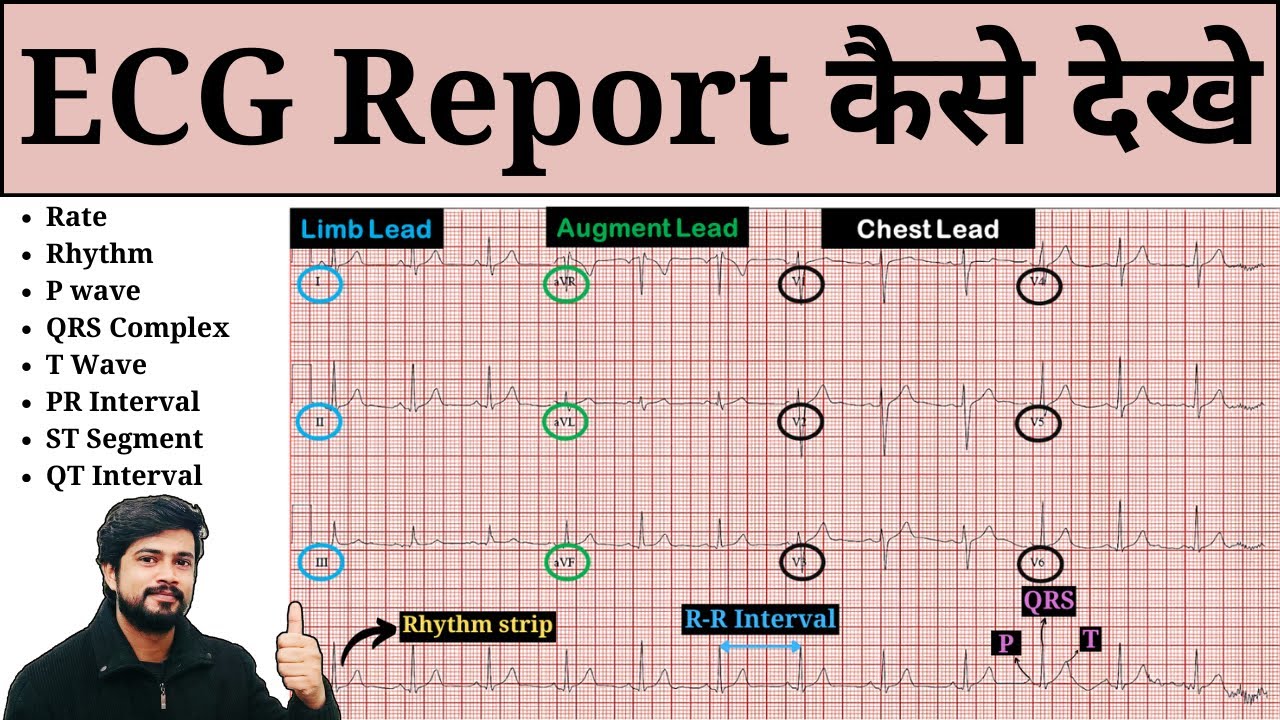
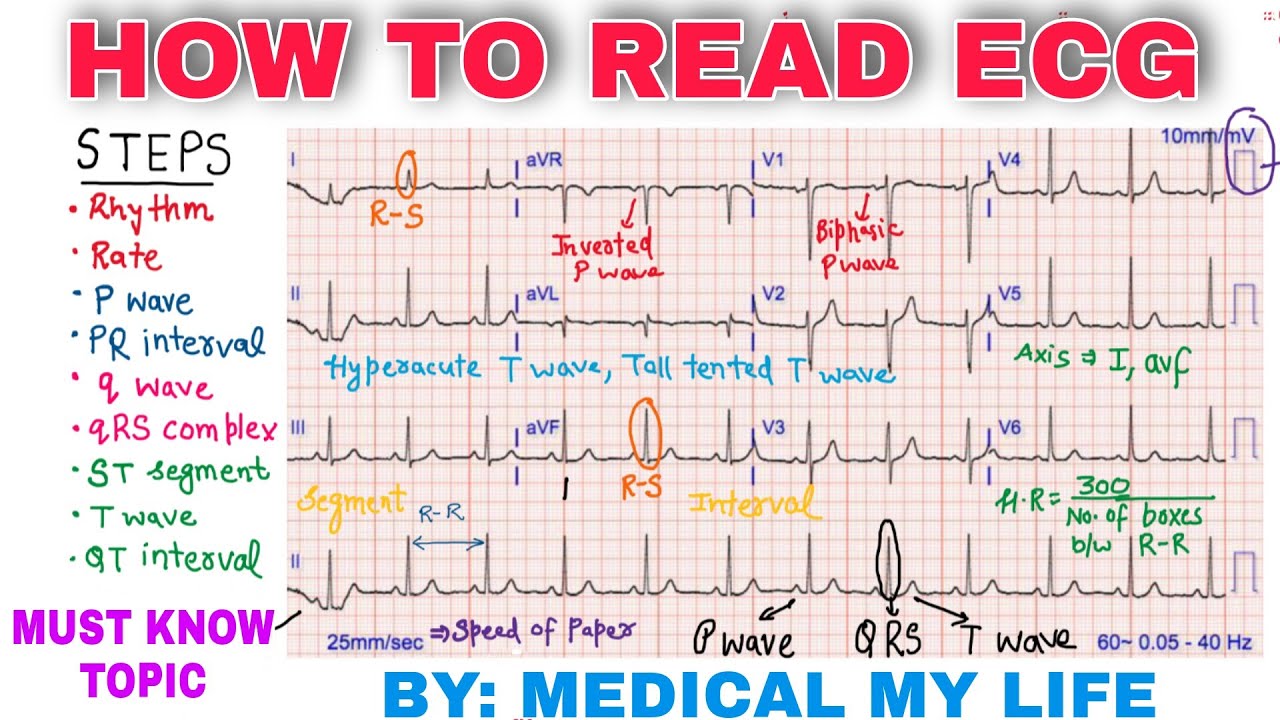
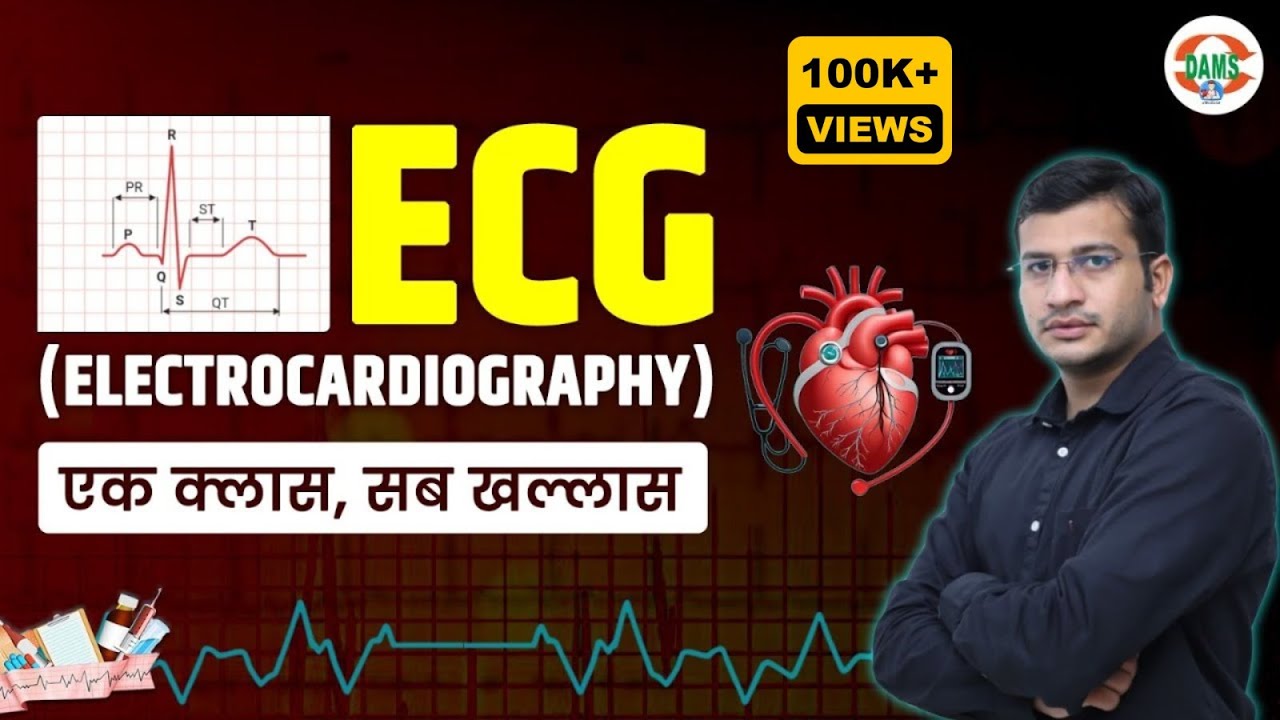
ECG interpretation class explains P wave, QRS complex, and T wave in a simple and easy way.
This video provides a foundational understanding of ECG interpretation, explaining the basics of electrical activity in the heart and how it translates to an ECG tracing.
Key topics covered include:
Introduction to ECG and its history:
The video starts by introducing the concept of ECG and credits Willem Einthoven as the "Father of ECG" for coining the terms P, Q, R, S, T, U, V waves (1:05-1:17).
It also distinguishes between "electrocardiography" (the recording process when a patient is on a monitor) and "electrocardiogram" (the printout report) (1:41-2:23).
Electrical Activity of the Heart: It explains the role of electrolytes (potassium, sodium, calcium) in generating electrical activity within cardiac cells (2:27-3:10).
The concepts of polarization, depolarization (sodium entering the cell), and repolarization (potassium leaving the cell) are detailed, explaining how these cellular changes create an electrical current (4:01-5:10).
ECG Waves Explained: The video thoroughly explains what each wave on an ECG represents:
P wave: Represents atrial depolarization (7:00-7:16).
QRS complex: Represents ventricular depolarization (7:40-7:49).
PR segment: Represents atrial repolarization (11:29-11:36).
ST segment and T wave: Represent ventricular repolarization (12:38-12:55).
Cardiac Conduction System: The four properties of cardiac cells (automaticity, conductivity, excitability, and contractility) are discussed (8:06-9:34).
It highlights the role of the SA node as the primary pacemaker (9:36-10:14), the AV node in slowing down impulses (10:45-10:57),
and the Bundle of His and Purkinje fibers in ventricular conduction (11:41-12:05).
Action Potential Phases: The five phases of action potential
Phase 0: Sodium influx/Depolarization;
Phase 1: Early repolarization;
Phase 2: Calcium influx/Plateau phase;
Phase 3: Potassium efflux/Repolarization;
Phase 4: Resting potential) are explained (13:13-15:57).
ECG Wave Direction: The video clarifies why ECG waves appear positive, negative, or biphasic based on the cardiac axis in relation to the lead axis (16:21-18:15).
👍 Like | 💬 Comment | 🔔 Subscribe for more ECG and cardiology classes
Повторяем попытку...

Доступные форматы для скачивания:
Скачать видео
-
Информация по загрузке:












![Kyoto protocol Paris agreement carbon trade Rio summit [ environment] #upsc](https://imager.clipsaver.ru/MDaajYlDe2c/max.jpg)