Origins of Theism Part 1: Paleolithic Era
Автор: Edmond Pryce
Загружено: 2026-01-28
Просмотров: 20
Описание:
This video presents an anthropological and cognitive examination of the origins of theism, specifically focusing on the Upper Paleolithic revolution. We explore the transition to "Behavioral Modernity" and the emergence of the human imagination as a primary survival technology.
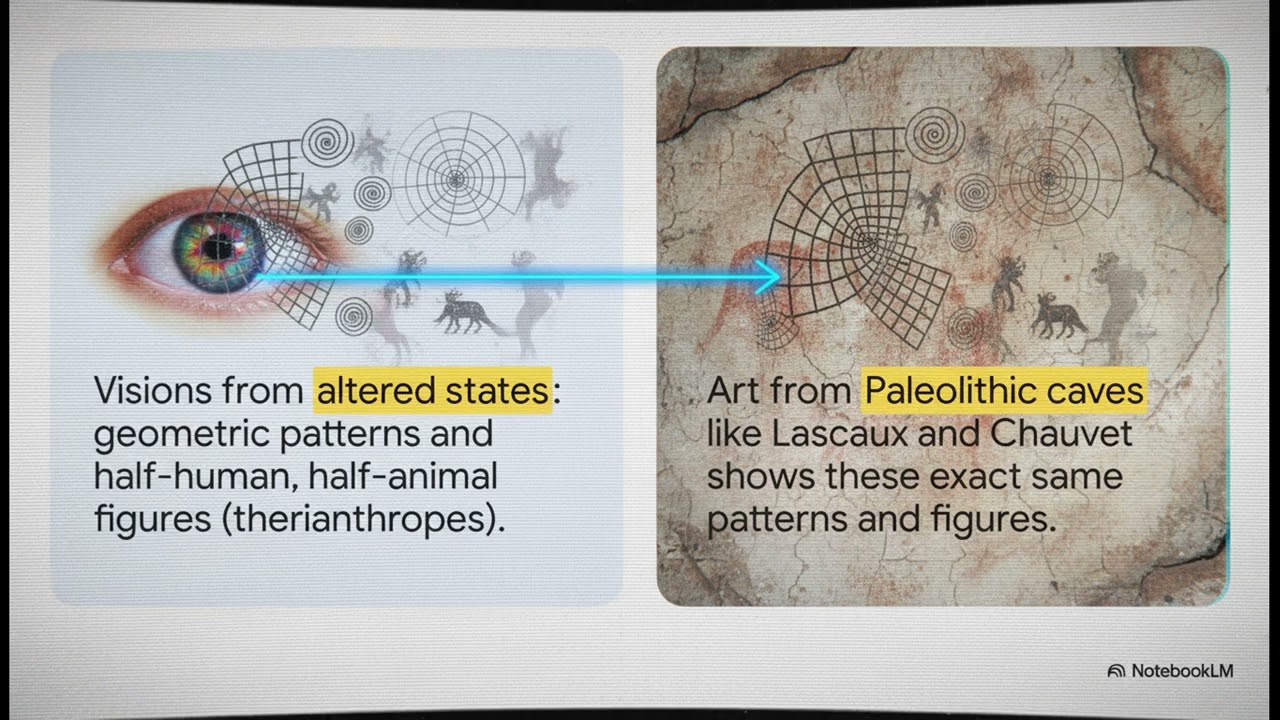
Drawing upon archaeological evidence—including the Lion Man of Hohlenstein-Stadel and the widespread distribution of Venus figurines—this lecture analyzes how early humans utilized abstract thought to conceptualize the sacred. We investigate the "Neuropsychological Model" of cave art, positing that geometric patterns and therianthropic figures found in sites like Lascaux and Chauvet are representations of entoptic phenomena experienced during shamanic trance states.
Furthermore, we critically examine the archaeological record, correcting historical misconceptions regarding the Shanidar Cave "Flower Burial" through modern pollen analysis. Finally, we discuss the "Imagistic Mode of Religiosity" to understand how high-arousal, infrequent rituals served as a social glue, creating "identity fusion" within small-scale hunter-gatherer societies.
Table of Contents
00:00 Introduction: The Birth of Belief
00:19 The Most Powerful Human Tool (Imagination)
01:20 The Lion Man: Proof of Abstract Thought
02:54 Defining Behavioral Modernity
03:14 Shamanism: The Tech of Transcendence
04:15 The Neuropsychological Model of Cave Art
05:22 Venus Figurines: A Portable Symbolic Language
06:12 The Shanidar Cave "Flower Burial" Correction
07:18 The Imagistic Mode of Religiosity
08:32 Conclusion: Ritual as Social Glue
Key Concepts
Behavioral Modernity: The suite of behavioral and cognitive traits that distinguishes current Homo sapiens from anatomically modern humans, specifically the capacity for abstract thinking.
Neuropsychological Model: A theory linking the geometric forms in Paleolithic art to the universal visual sensations (entoptic phenomena) produced by the human nervous system during altered states of consciousness.
Imagistic Mode of Religiosity: A concept describing religious practices based on infrequent, high-intensity rituals that foster deep emotional bonds and group cohesion.
#Anthropology #HistoryofReligion #Paleolithic #CognitiveScience #Archaeology #Shamanism #HumanEvolution #ArcOfTheSacred
Повторяем попытку...
Доступные форматы для скачивания:
Скачать видео
-
Информация по загрузке: