Walking Samurai World: What Hiroshige Saw in "53 Stations of Tokaido" | Samurai History
Автор: Discover 🇯🇵: Ethereal Zipang
Загружено: 2023-12-16
Просмотров: 2170
Описание:
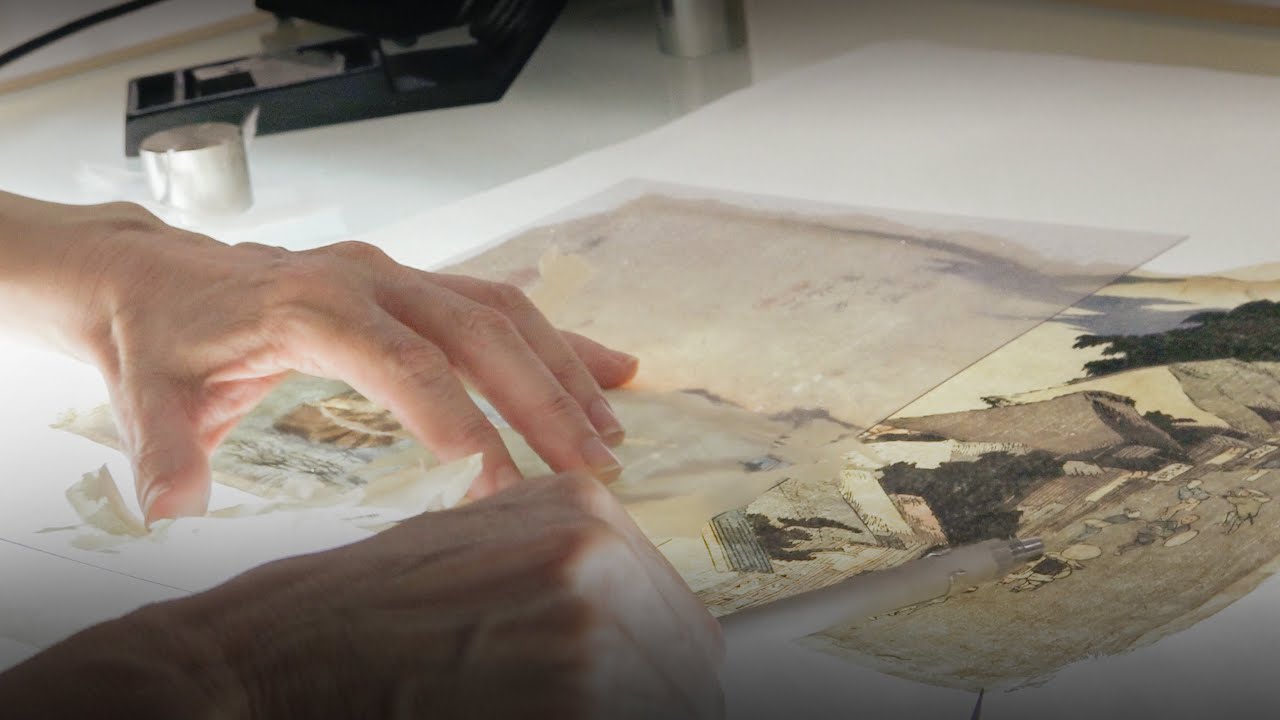
🚅Japan travel meets art explained in Hiroshige's ukiyo-e prints (浮世絵) and the 53 Stations of the Tokaido. Learn about Japanese samurai history and Edo culture through this history documentary exploring the temples and shrines along the Tokaido road, which were destinations of samurai travel!
🚃【Chapters】
0:00 About Hiroshige
1:14 6th station: Fujisawa-shuku (藤沢宿)
2:41 7th station: Hiratsuka-juku (平塚宿)
3:36 8th station: Ōiso-juku (大磯宿)
4:29 9th station: Odawara-juku (小田原宿)
5:08 10th station: Hakone-juku (箱根宿)
6:01 11th station: Mishima-shuku (三島宿)
6:42 12th station: Numazu-juku (沼津宿)
7:26 13th station: Hara-juku (原宿)
8:10 14th station: Yoshiwara-juku (吉原宿)
┗ 8:47 What are temples and shrines?
⏭【Next video】
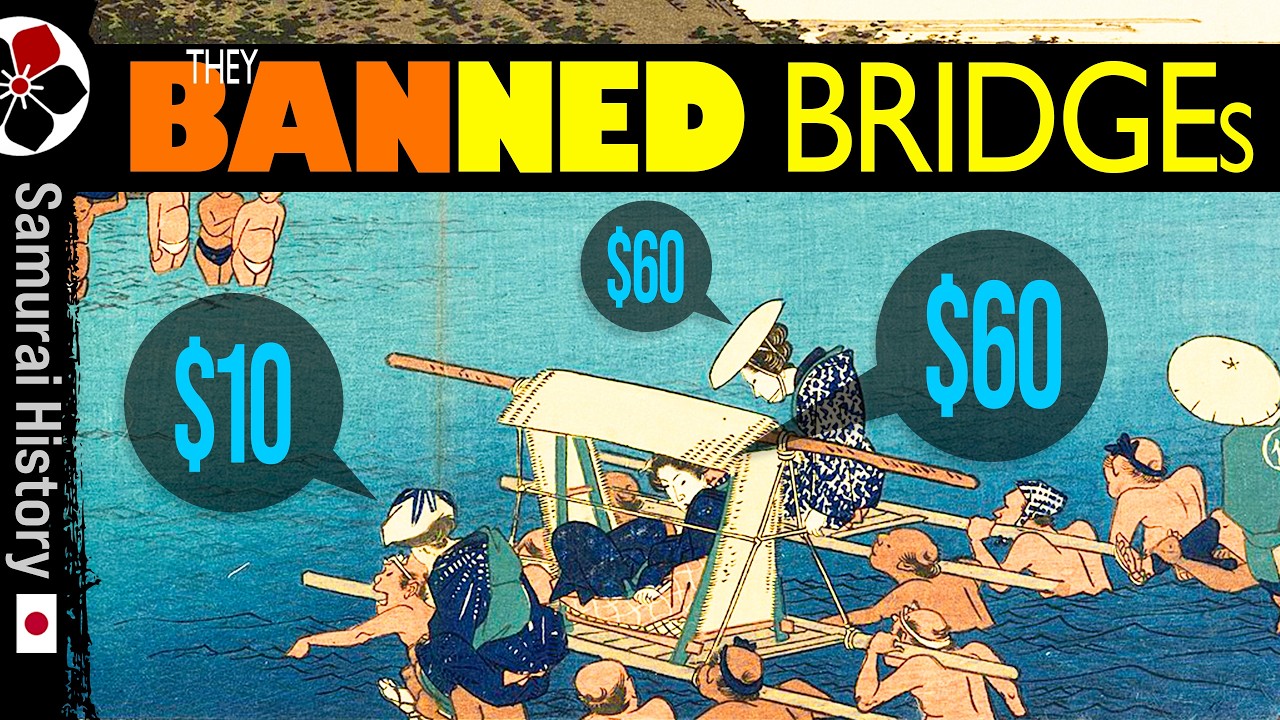
▶︎Ordinary Edo people had more travel opportunities, but the river presented a significant obstacle.
③ • Walking Samurai World: What Hiroshige Saw ...
🎥【Related Videos】
▶︎Hiroshige's Great Tōkaidō🚅 & Hokusai's Fuji Views🗻 EXPLAINED Everything!
• How Samurai Traveled: The Ultimate Guide t...
🇯🇵【Japanese Vocabularies】
▬ Places ▬▬▬▬▬▬▬▬▬▬▬▬▬▬
Tōkaidō (東海道): An administrative division or its highway
The fifty-three stations of the Tō-kaidō (東海道五十三次): Highway network system on Tō-kaidō
Kyoto/Kyō (京都 / 京): Ex-capital of Japan, current Kyoto city
Edo (江戸): City of the government by the Tokugawa family, current Tokyo
Tenno (天皇): The head of state, The Emperor of Japan
Mt. Fuji (富士山): The highest mountain in Japan
Sakawa River (酒匂川):
Lake Ashi (芦ノ湖): Lake situated beside Hakone
Yugyō-ji Temple (遊行寺): HQ of Jishū sect
Ōyama Afuri Shrine (大山阿夫利神社): Worshiping a water god, 'Afuri' means 'rainfall.'
Enoshima Shrine (江島神社): Gathering the faith of the blind
Mishima Shrine (三島大社):
Konpira Shrine (金比羅宮): Offering a pilgrimage delivery service
Ise Shrine (伊勢神宮): Shrine dedicated to Amaterasu, The top of the shrines
Sensō-ji Temple (浅草寺): Temple located in Tokyo
Asakusa Shrine (浅草神社): Shrine located in Sensō-ji Temple
▬ People ▬▬▬▬▬▬▬▬▬▬▬▬▬▬
UTAGAWA Hiroshige (歌川 広重): Painter in Edo period (1797-1858)
MINAMOTO NO Yoritomo (源 頼朝): The founder of the Kamakura shogunate
HŌJŌ clan (北条氏):
TOKUGAWA Yoshimune (徳川 吉宗): The 8th shogun of the Edo shogunate
▬ Other Words ▬▬▬▬▬▬▬▬▬▬▬
Post Town/Inn Town (宿場町): Town built around a posting station
Ukiyo-e (浮世絵): Paintings and woodblock prints
Kamakura Shogunate (鎌倉幕府): Feudal military government during 1185 to 1333
Sengoku Period (戦国時代): From 1467 to 1615 in this video
Edo Period (江戸時代): After the Sengoku period, from 1603 to 1868
Daimyo (大名): An influential warrior with a large estate
Daimyo Gyoretsu (大名行列): A procession of Daimyo on an official outing
Soba (蕎麦): Japanese noodle made of buckwheat
Kago (駕籠): Palanquin or litter, Man-powered vehicle
Hikyaku (飛脚): A type of courier
Mino (蓑): A traditional raincoat made of straw
Mon (文): Unit of coins
Kanji (漢字): Chinese character for Japanese
Manji (卍): A Kanji or symbol of temple
Jishū (時宗): A Buddhism sect
Biwa-hōshi (琵琶法師): Lute Priest
Shinto/Shintoism (神道): Japanese indigenous animism
Yaoyorozu-no-kami (八百万の神): "Eight-million-gods", means a lot of spirits and gods
Amaterasu-ōmikami (天照大御神): Goddess of the sun, Chief of the gods
Tenno (天皇): Head of Japan, Head of Shintoism
Sanpō-kōjin (三宝荒神): Three-seat horse saddle, or the deity of the hearth
Tengu (天狗): A spirit or monster with a red skin and long nose
Benzaiten/Benten (弁財天/弁天): Goddess of music and study, a form of Hindu 'Sarasvati'
Sanja Matsuri (三社祭): A major festival in Tokyo
The Revenge of the Soga Brothers (曾我兄弟の仇討ち): A popular Kabuki play
Satellite Photos: U.S. Geological Survey
The fifty-three stations of the Tō-kaidō (Ukiyo-e): National Diet Library Digital Collections (Japan)
#ukiyoe
#hiroshige
#tokaido
#samurai
#etherealzipang
#べらぼう
#浮世絵
Повторяем попытку...

Доступные форматы для скачивания:
Скачать видео
-
Информация по загрузке:


![Мифы о древних славянах. 7 месяцев в деревне 10 века. Ученые против мифов: классика [7-10, 2018]](https://imager.clipsaver.ru/R51SZLKrgLU/max.jpg)